
12 Mold Steel Grades Compared: Properties, Cost and Use
Table of Contents
A connector mold ran 30% glass-filled PBT in a P20 cavity. At shot 90,000 the gate had grown 0.08 mm from abrasive wear, part weight drifted past tolerance, and the customer rejected the lot. The insert was recut in H13, and the program lost 11 days.
Across the same shop floor, a medical tool paid a 40% S136 premium for a polypropylene part that never saw acid or moisture. The stainless was not wrong , it was unearned. Over-specification and under-specification are the same failure: a grade chosen by habit instead of by requirement.
Wrong steel fails in three quiet ways. Corrosion pits a polished surface. Erosion opens a gate. A thin core cracks at a sharp corner. Each failure ends in rework hours, a replacement insert, or a full mold scrap.
This guide compares 12 mold steel grades across hardness, toughness, polishability, corrosion resistance, wear resistance, and cost. It maps each grade to the application that justifies it. Figures are typical published ranges or shop data; DieStrike capability numbers are marked as such.
The Snapshot
- P20 and 718H (pre-hardened, 28-32 HRC) cover most standard thermoplastics at a cost index of 1.0-1.3x; typical life spans 100,000-500,000 cycles (published range).
- H13 and 1.2367 (hardened 44-54 HRC) multiply wear life 3-5x on glass-filled melts and keep toughness at 150-300°C mold temperatures (typical).
- S136 and Stavax ESR (48-52 HRC) reach SPI A1/A2 mirror finishes and resist PVC/POM off-gas corrosion that pits pre-hardened steel (typical).
- 18Ni300 maraging (48-52 HRC) distorts near zero through aging and costs 5-7x P20 (typical published index); it is for thin, tough cores, not general cavities.
- DieStrike runs IATF 16949/ISO 9001 with 120+ machines, in-house vacuum hardening to HRC 62, and 2-5 week production molds for customers like TE and Amphenol.
The 12 Grades at a Glance
The table below is the reference card. Twelve grades, six families: pre-hardened, hot-work, stainless, maraging, high-speed, and copper. Hardness, polishability, corrosion, wear, and cost are the columns that decide a mold.
| Grade | Family | Hardness (HRC) | Polish (SPI) | Corrosion | Wear | Cost vs P20 | Typical Use |
|---|---|---|---|---|---|---|---|
| P20 / 718H (1.2311 / 1.2738) | Pre-hardened Cr-Mo(-Ni) | 28-32 as supplied | B1-C3 (718H: A2-B2) | Poor | Moderate | 1.0-1.3x | General cavities, standard thermoplastics |
| 738 (1.2344 pre-hardened) | Pre-hardened hot-work | 33-40 as supplied | A2-B2 | Poor | Moderate-high | 1.3-1.6x | Cosmetic cavities, higher injection pressure |
| H13 (1.2344) | Hot-work tool steel | 44-52 hardened | B1-C2 | Poor-fair | High | 1.3-1.6x | Glass-filled, hot resins, high cycles |
| H11 (1.2343) | Hot-work tool steel | 44-52 hardened | B1-C2 | Poor-fair | High | 1.3-1.6x | Tough cores, slides, die-casting inserts |
| DIN 1.2367 | Hot-work Cr-Mo-V | 48-54 hardened | B1-C2 | Poor-fair | Very high | 1.5-2.0x | Thermal-fatigue service, PEEK/LCP, die casting |
| AISI 420 | Martensitic stainless | 48-52 hardened | A2-B2 | Good | Moderate | 2-3x | Corrosive resins, camera frames |
| S136 (1.2083 ESR) | Stainless, ESR refined | 48-52 hardened | A1-A2 | Good | Moderate-high | 3-4x | Optical, medical, food-contact cavities |
| Stavax ESR | Stainless, premium ESR | 48-52 hardened | A1-A2 | Good | Moderate-high | 4-5x | Mirror consumer parts, lenses, medical |
| 440C | High-carbon stainless | 54-60 hardened | B1-C1 | Good | High | 2.5-3.5x | Gate inserts, sliding wear parts |
| 18Ni300 (1.2709) | Maraging steel | 48-52 aged | A2-B2 | Fair | Moderate-high | 5-7x | Thin cores, complex geometry |
| M2 / M35 | High-speed steel | 60-63 hardened | B2-C1 | Fair | Very high | 2.5-3.5x | Punches, trim inserts, stamping dies |
| Beryllium copper (C17200) | Copper alloy insert | 36-44 aged | B2-C2 | Good | Low-moderate | 5-8x | Heat-removal inserts, deep cores |
← swipe to scroll →
Cost index compares raw steel price per kilogram against P20 at 1.0x. Published ranges vary by supplier, section size, and certification level (ESR vs conventional). SPI polish ratings follow the standard A1-C3 scale. Treat every non-manifest figure as a typical published range, not a guarantee.
Read the table in two passes. Pass one: find the family that matches the resin and the volume. Pass two: pick the cheapest grade inside that family that meets the polish and corrosion spec. If two grades tie, the one that machines in the annealed state wins on schedule.
Selection Logic: Hardness Target First
Hardness is the first decision because it sets the whole downstream chain: machining method, heat treatment, polish strategy, and cost. Four hardness tiers cover nearly every injection mold. Match the tier to the resin, the volume, and the surface requirement.
28-32 HRC pre-hardened is the default for standard thermoplastics , ABS, PP, PE, PC/ABS , at low-to-mid volumes with cosmetic-to-functional surfaces. P20, 718H, and 738 live here. The tier is cheap, fast, and wrong only when wear or heat outruns it.
44-52 HRC hardened carries glass-filled and high-temperature resins, high cycle counts, and thin cores. H13, H11, and 1.2367 live here. The tier needs vacuum hardening and EDM finishing, which is why it costs more in machining, not just steel.
48-52 HRC stainless (440C up to 54-60) serves corrosive off-gassing, food and medical contact, and mirror polish. S136, Stavax, 420, and 440C live here. The tier is chosen when the environment attacks the steel, not when the volume demands hardness.
48-52 HRC maraging covers thin, tough geometries that need near-zero distortion through hardening. 18Ni300 lives here. The tier is a geometry decision, and it is the most expensive per kilogram.
Volume decides which tier pays for itself. A 50,000-shot program of unfilled ABS runs fine in P20. The same part at 500,000 shots in glass-filled nylon demands hardened steel. Corrosion and cosmetics then refine the choice inside the tier.
Pre-Hardened Grades: P20, 718H, 738
Pre-hardened steel ships at working hardness. It machines before any heat treatment and skips the distortion risk of a post-machining harden. That makes it the fastest and cheapest path to a finished cavity. The trade is a hardness ceiling near 40 HRC.
P20 and 718H , The Economical Default
P20 (1.2311) is a chromium-molybdenum steel at 28-32 HRC as supplied. It machines 30-50% faster than hardened H13, welds for repair, and holds SPI B1-C3 polish , enough for most consumer and automotive interior parts.
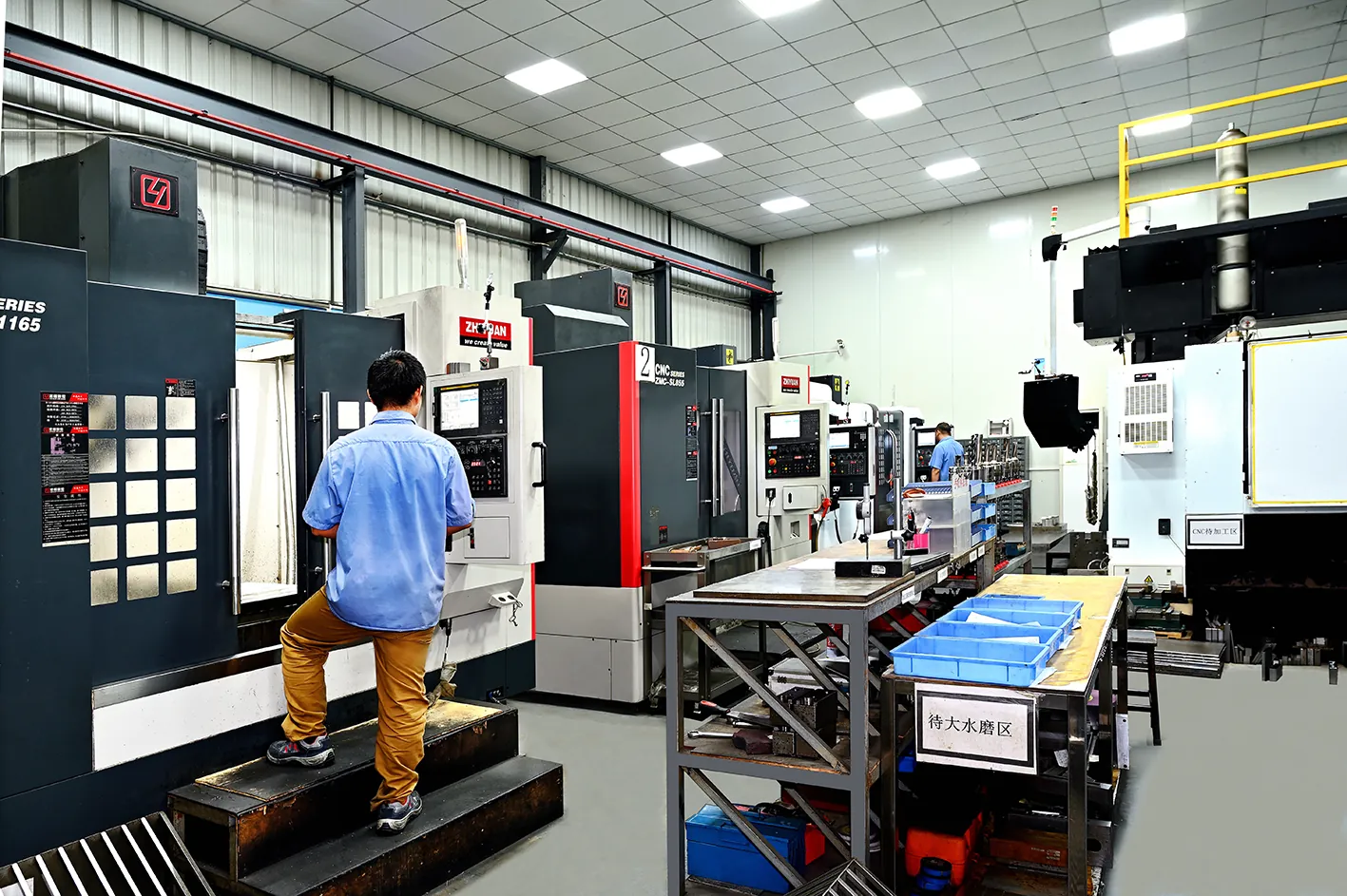
718H (1.2738) adds roughly 1% nickel for through-hardness in thick sections. A 300 mm block of 718H hardens more uniformly than P20, which matters on large cavity plates. Both grades cover standard thermoplastics at low-to-mid volumes.
The limit is wear. On a 30% glass-filled melt, a P20 gate erodes visibly within 50,000-100,000 cycles (typical shop observation). If the program is 200,000 parts, pre-hardened is the wrong floor for the cavity, regardless of how the quote looked.
738 , Pre-Hardened Hot-Work Steel
738 is a pre-hardened variant of the 1.2344 family, supplied at 33-40 HRC. It sits between P20 and hardened H13: harder than P20, machinable without vacuum treatment, and better suited to higher injection pressures.
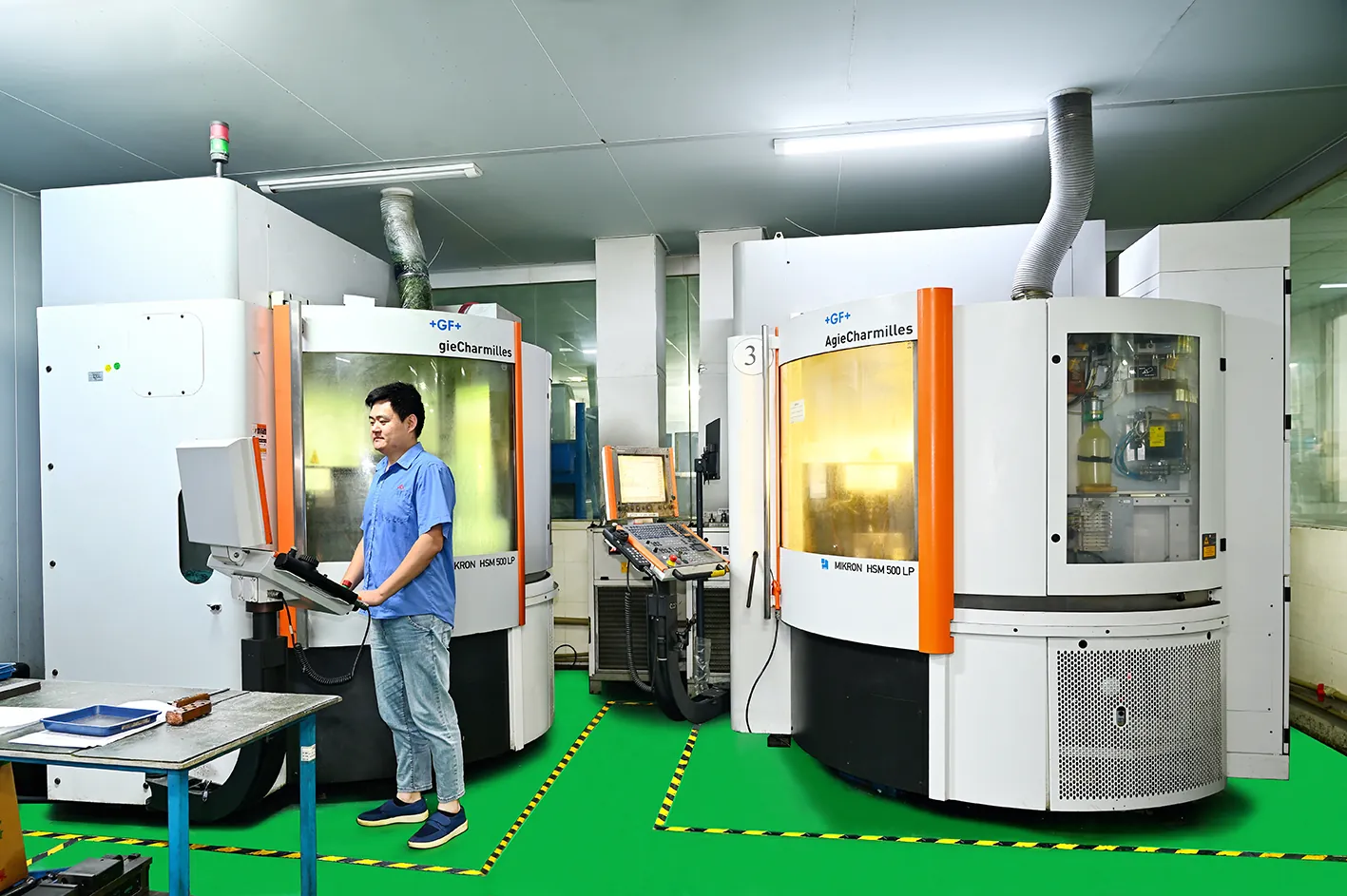
Use 738 when the part is cosmetic and the mold is large. It suits mildly abrasive engineering thermoplastics , PC, ABS/PC, and nylon , at moderate volumes. It polishes to SPI A2-B2 and holds detail better than P20 under typical injection pressures above 1,000 bar.
738 cannot reach the wear life of a hardened H13 cavity. It is a middle step, not a destination, for glass-filled programs.
Hardened Hot-Work Steels: H13, H11, 1.2367
Hot-work steels harden to 44-54 HRC and keep toughness at elevated temperature. They are the answer when the resin abrades, the melt runs hot, or the cycle count climbs into the hundreds of thousands.
H13 , The High-Wear Workhorse
H13 (1.2344) is chromium-molybdenum-vanadium hot-work steel. Hardened to 44-52 HRC and tempered, it keeps toughness at mold temperatures up to 300°C (typical). That property made it the default for die casting and glass-filled injection molds.
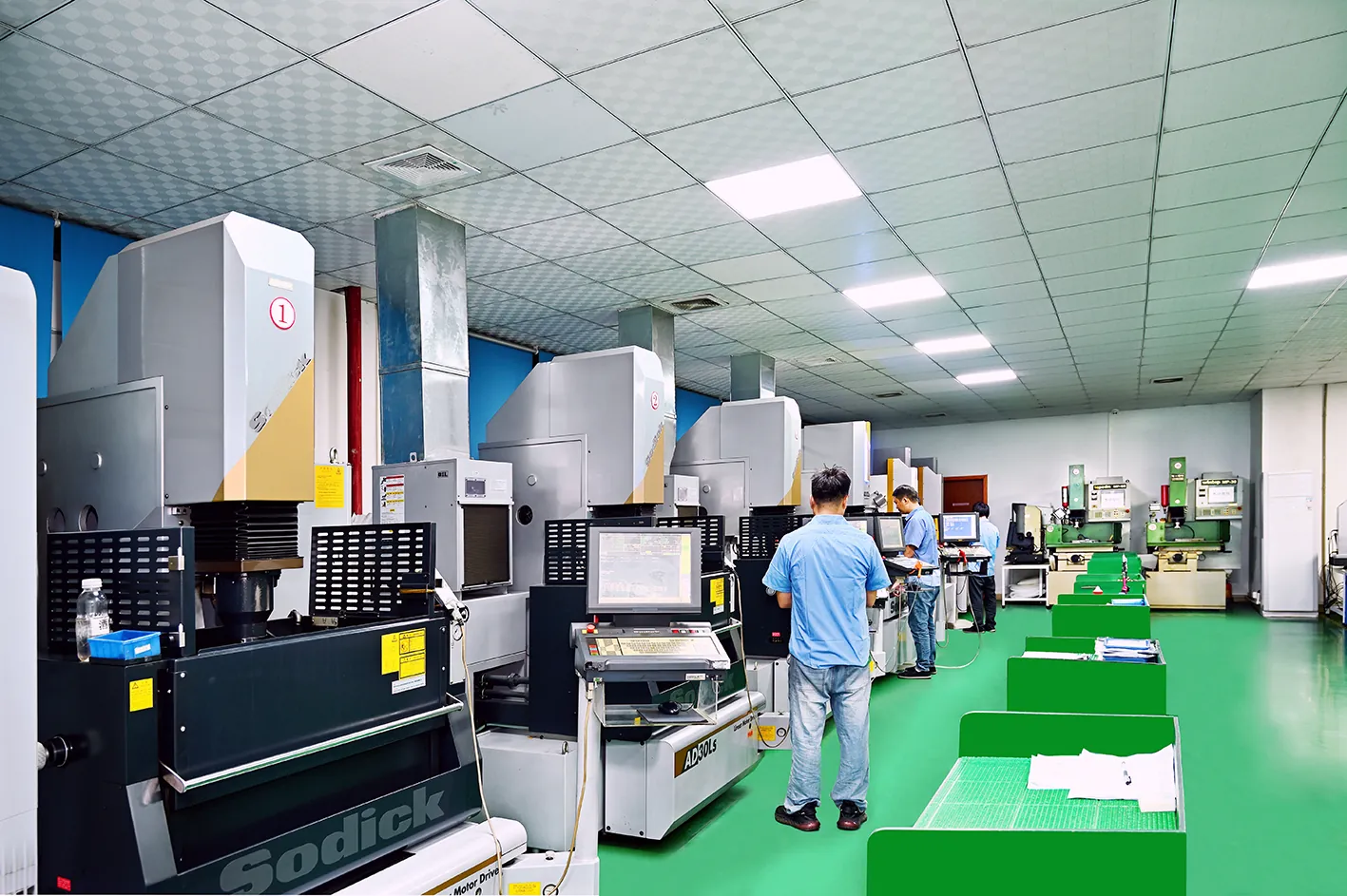
On a 30% glass-filled PA66 gate, nitrided H13 typically out-lasts P20 by 3-5x, and part weight stays inside tolerance past 300,000 cycles (typical shop data). The nitride case runs 0.1-0.3 mm deep (typical) and is regenerated at maintenance stops.
H13 machines only in the annealed state. After hardening, cavities are finished by EDM and grinding, which is why hardened molds cost more in machining, not in steel alone. For a deeper three-way comparison against P20 and S136, see our P20 vs H13 vs S136 guide.
H11 , The Tougher Cousin
H11 (1.2343) is H13's leaner cousin, with less vanadium and slightly higher toughness. It hardens to the same 44-52 HRC band. Specify it where impact and crack resistance matter more than raw wear , thin cores, slide bodies, die-casting inserts.
The trade is temper resistance. H11's hot hardness drops off a little sooner than H13's, so it suits high-impact, moderately hot service rather than continuous 300°C exposure. For most injection molds, the choice between H11 and H13 follows the geometry: brittle sections favor H11.
DIN 1.2367 , When Thermal Fatigue Is the Limit
DIN 1.2367 is a chromium-molybdenum-vanadium hot-work steel with higher molybdenum than H13. Hardened to 48-54 HRC, it resists heat checking , the crack network that forms when a cavity surface cycles between 60°C and 350°C (typical).
It is the standard insert steel for die-casting and high-temperature engineering plastics such as PEEK and LCP, where H13 may heat-check before the program ends. Cost runs 1.5-2.0x P20 (typical published index), and it is nearly always specified as inserts, not whole cavity plates.
Stainless Mold Steels: 420, S136, Stavax, 440C
Stainless mold steel exists for two reasons: corrosion and polish. PVC releases hydrochloric acid above roughly 180°C (typical). POM off-gasses formaldehyde, and flame-retardant compounds emit halogens. All of it pits a plain carbon cavity in weeks. Stainless also reaches the cleanest mirror finishes because ESR refining removes oxide inclusions.
AISI 420 , The Budget Stainless
AISI 420 is martensitic stainless, hardened to 48-52 HRC. It resists mild corrosion and polishes to SPI A2-B2. That covers camera frames, cosmetic housings, and mildly corrosive resins, at a 2-3x cost index (typical published).
420's inclusions limit the mirror. For SPI A1 optics or medical contact, the ESR grades below are the standard, and the premium is paid exactly where the mirror is earned.
S136 and Stavax ESR , The Polish Pair
S136 (1.2083 ESR) is a modified 420 refined by electro-slag remelting. The ESR step removes oxide inclusions, which is what allows the SPI A1/A2 mirror finish on optical and high-gloss consumer parts.
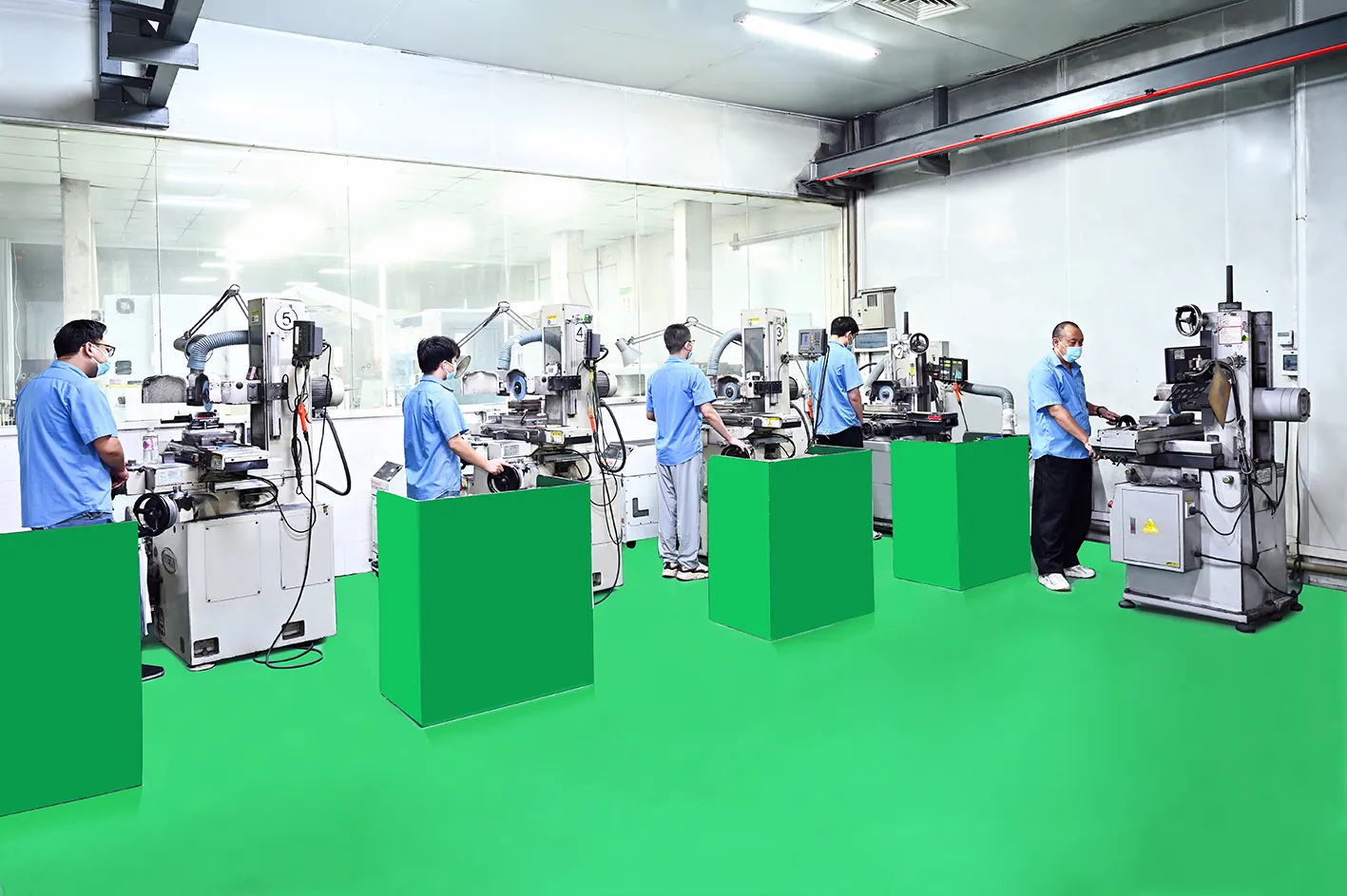
Stavax ESR is the premium version of the same family, with tighter inclusion control and consistency across large sections. Both harden to 48-52 HRC and resist PVC, POM, and food-contact environments.
They are also the standard answer for medical device molds, where sterilization chemistry and cleanroom residue can pit a standard cavity. Our medical mold steel selection guide covers the extended family and the validation logic.
440C , When Stainless Must Also Cut
440C is a high-carbon stainless that hardens to 54-60 HRC. That hardness buys wear resistance no other stainless matches, so 440C appears in gate inserts, small sliding components, and trimming dies.
The trade is toughness and grindability. 440C is brittle at sharp corners and slow to machine, so it is specified as an insert, not a whole cavity. On abrasive, corrosive service it out-lasts S136, but it will not polish to mirror.
Maraging Steel: 18Ni300
18Ni300 (1.2709) is maraging steel: nickel-rich, nearly carbon-free, and hardened by aging at 480°C instead of a quench. The result is 48-52 HRC with near-zero distortion , a hardened cavity that keeps the dimensions it was machined to.
That property makes 18Ni300 the choice for thin, complex cores where a quenched steel would move or crack. Think long cores, fine ribs, and inserts with internal detail. Cost is the penalty: 5-7x P20 (typical published index).
18Ni300 for Thin, Tough Cores
Aging moves steel less than 0.02 mm per 100 mm (typical). So a maraging insert is machined close to final size, aged, and finished with light grinding. That collapses the machining-plus-heat-treatment loop that hardened H13 demands.
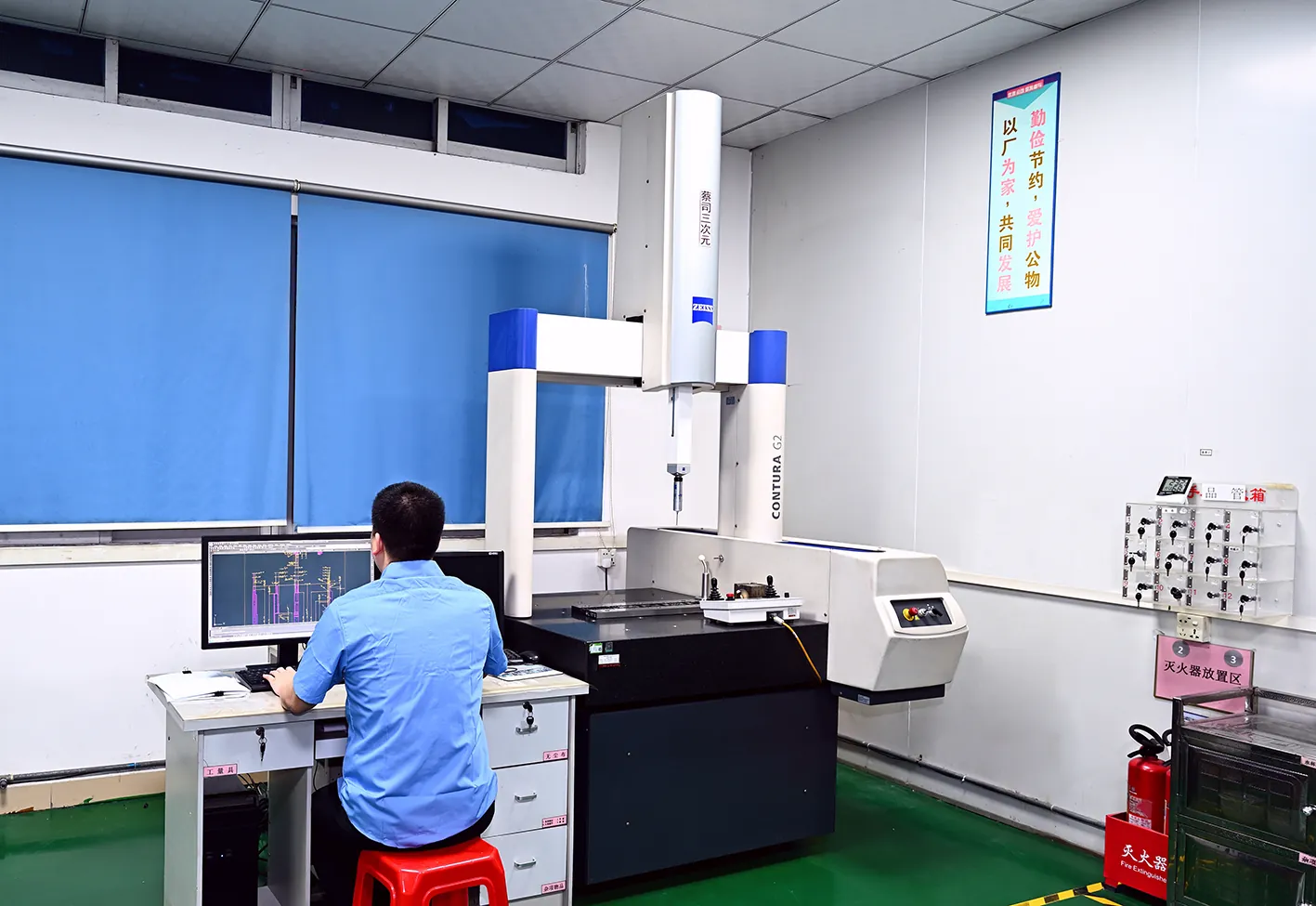
DieStrike verifies maraging inserts on Zeiss CMM equipment at ±0.005 mm standard tolerance and ±0.002 mm on precision programs. That measurement discipline is what makes the near-zero-distortion claim usable on a production tool.
High-Speed Steel: M2 and M35
M2 is tungsten-molybdenum high-speed steel, hardened to 60-63 HRC. M35 adds cobalt for hot hardness at the same hardness level. Both are cutting steels. In molds they appear where edge retention matters more than toughness: small punches, trim inserts, gate components in stamping dies.
A die with M2 punches typically holds its cutting edge 2-3x longer than the same geometry in D2 or H13 (typical shop observation). M2 is not a cavity steel , it cannot take the thermal cycling of injection molding without cracking. Keep it in the die room, not the press side.
Beryllium Copper for Heat Removal
Beryllium copper (C17200, CuBe2) conducts heat 3-5x better than tool steel (typical). It is never a cavity material for wear reasons , it is a cooling material, inserted where a steel water line cannot reach.
The classic case is a deep, narrow core that would otherwise run hot and trap shrinkage. A BeCu insert drops core surface temperature and cuts cycle time by 10-30% on thick-wall parts (typical). Hardness runs 36-44 HRC aged (typical).
Beryllium copper is safe in solid form. Machining dust is the hazard, so it is cut with wet methods and respiratory controls. Verify local handling rules before specifying it, and use it as an insert behind a steel shell or as a core pin in low-wear service.
Shrinkage and Steel Type
Resin shrinkage dominates part dimensions: 0.3-1.0% for crystalline materials like PP and nylon, up to 2.0% for acetal (typical published values). Steel type does not change that number. It changes your ability to hold it.
Harder steel holds thin sections and sharp corners against injection pressure, so a hardened cavity hits its shrinkage-compensation target more reliably than a soft one. Steel thermal expansion is compensated at operating temperature; the difference between grades (roughly 11-13 µm/m·°C) is small but measurable on multi-cavity tools running hot.
Where steel choice does change shrinkage behavior is cooling. BeCu inserts remove heat faster, freeze the part sooner, and tighten the shrinkage distribution across a thick wall. The grade does not move the average. It narrows the spread.
Heat Treatment Considerations
Each family has its own heat treatment, and the treatment is as much a cost decision as the steel itself. Plan it before the steel is ordered. A treated cavity is only as good as the measurement behind it , hardness is verified on every batch, and geometry is re-checked before polish.
- Pre-hardened (P20, 718H, 738): no treatment after machining. That is the point of the grade.
- H13, H11, 1.2367: vacuum harden at 1020-1060°C, double temper at 540-600°C to 44-54 HRC, then nitride to a 0.1-0.3 mm case (typical) for abrasive service.
- Stainless (420, S136, Stavax): austenitize at 980-1050°C, temper to 48-52 HRC; ESR grades demand a clean furnace atmosphere.
- Maraging (18Ni300): age at 480°C for 3-6 hours (typical); no quench, minimal distortion.
- High-speed (M2, M35): harden at 1180-1230°C (typical), triple temper to 60-63 HRC.
In-House Vacuum Hardening
Vacuum hardening is the standard for mold steels because it leaves a clean, scale-free surface that polishes predictably. Salt-bath and atmosphere furnaces risk decarburization that shows up as a soft skin on the finished cavity.
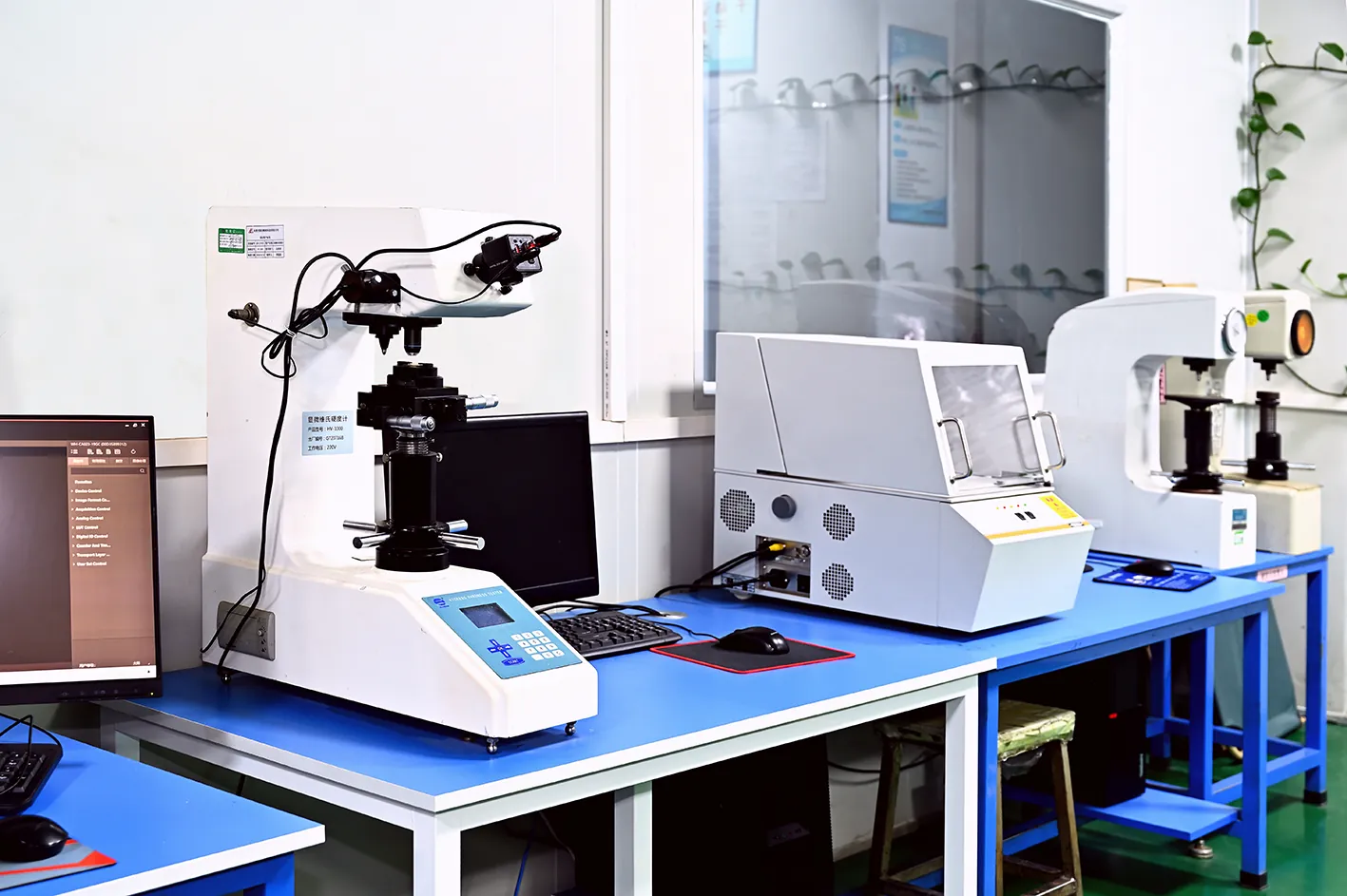
DieStrike operates in-house vacuum heat treatment to HRC 62 for critical inserts, with Vickers hardness verification on every batch. Hardened cavities are then finished by EDM, grinding, and polish , the sequence is why hardened molds carry longer lead times.
Hardening changes geometry. The machining allowance, EDM strategy, and polish target must be set for the treated state. That is why the heat treatment decision belongs in the DFM review, not after machining.
Frequently Asked Questions
What is the most common mold steel?
P20 (1.2311) and its 718H variant are the default for standard thermoplastics. Most production molds for ABS, PP, PE, and PC/ABS start there, at 28-32 HRC and a 1.0-1.3x cost index (typical).
What is the difference between P20, 718H, and 738?
P20 is the base pre-hardened grade. 718H adds nickel for uniform hardness in thick sections. 738 is a pre-hardened hot-work grade at 33-40 HRC , harder than both , for higher-pressure cosmetic molds.
When do I need a stainless mold steel?
When the resin off-gasses corrosives , PVC above 180°C, POM, or flame-retardant compounds. Or when the part needs SPI A1 mirror polish, food contact, or medical cleanliness. S136 and Stavax ESR cover these cases at 48-52 HRC.
Can P20 be hardened after machining?
Not in a useful way. P20 is designed to run pre-hardened at 28-32 HRC; case hardening adds a thin hard skin without core strength. If you need 44+ HRC, machine annealed H13 or 1.2367 and vacuum harden.
How does the grade affect mold cost?
Steel cost spans 1.0x for P20 to 5-7x for 18Ni300 per kilogram (typical published index). Machining cost follows hardness , pre-hardened cuts fast, hardened steel needs EDM and grinding. The grade decision moves total mold cost by roughly 10-30% on typical tools (typical).
What hardness should my cavity be?
Match it to the resin and volume. 28-32 HRC pre-hardened for standard thermoplastics and low volumes. 44-52 HRC for glass-filled, hot, or high-cycle programs. 48-52 HRC stainless for corrosive or mirror-polish parts. 48-52 HRC maraging for thin, tough cores.
The Bottom Line
Steel selection is a five-variable trade, not a brand preference. Start with the resin and the cycle count, set the hardness tier, then narrow within the tier by corrosion, polish, and geometry.
Pre-hardened P20/718H covers most programs at the lowest cost. H13 or 1.2367 carries abrasive, hot, and high-volume work. S136 and Stavax serve corrosion and mirror finish. 18Ni300, M2, 440C, and beryllium copper are specialists , specified for one property, not for general cavities.
The steel is small next to the cost of a failed program. A gate recut, a corrosion repair, or a scrap insert each costs more than the grade difference on the original order. If a mold will run hundreds of thousands of shots of abrasive resin, the hardened steel pays for itself before the first maintenance stop. When polish is the spec, the finish is earned in the steel. Our mold polishing guide shows how SPI A1 is achieved, from grade to final buff.
NEXT STEP
Ready to Start Your Mold?
Send us your element dimensions or part numbers — our team responds within 24 hours with pricing and lead time.

Written by
Ray ChanMold Buyer's Guide Author · Precision Mold Manufacturing Specialist. Ray helps global importers, distributors and OEMs source factory-direct molds and mold parts.