
How to Build a Mold Asset Register: Tool Numbers and Life Tracking
Table of Contents
A connector OEM with 60 active molds loses a cavity insert at 2 a.m. on a Friday. The press operator cannot say which tool is running. The maintenance file is a shared folder with names like "mold final v3". Nobody knows the shot count, so nobody knows whether the insert failure is a wear event or a setup error. The line sits idle for 9 hours. At a typical downtime cost of $500 to $2,000 per hour for a running cell, that one missing record costs $4,500 to $18,000. The fix is not discipline or heroics. It is a mold asset register: one controlled record per tool, with a unique tool number, a life counter, a maintenance history and a location.
Most shops track molds the way they track laptops: a purchase list with a price and a supplier. That works at 5 tools and collapses at 50. A mold is a wearing asset with a finite rated life, often 500,000 to 1,000,000 shots for hardened cavity steel and 300,000 to 5,000,000 strokes for a progressive die, depending on steel and duty. It moves between your plant and your molder. It accumulates repairs, welds, texture changes and spare parts. Without a register, every one of those facts lives in someone's head, and IATF 16949 audits turn into treasure hunts.
The Snapshot
- A usable register needs 15 to 20 core fields per tool: ID, class, cavity count, steels, rated life, current counter, status, location, owner and value are the non-negotiable 10.
- Tool numbers must be permanent and dumb: plant code, process code, year and a serial like INJ-26-0141. Never encode customer names or part numbers that can change.
- Record life counters at fixed intervals, every 10,000 shots or 50,000 strokes as a typical cadence, not only at failure.
- IATF 16949 clause 8.5.2 demands traceability of tooling and product. A register with mold history, repair records and batch links is the evidence file.
- Scrap rule of thumb: rebuild or replace a tool when repair cost passes 40 to 60 percent of a comparable new tool price, or when the counter passes 120 percent of rated life with rising defect rates.
This guide walks through building the register field by field, from numbering rules and nameplates to counters, maintenance records, idle and scrap decisions, inventory counts and insurance files. It applies whether you run 20 tools in one plant or 500 tools across three sites and a molder network.
What a Mold Asset Register Contains
A mold asset register is a controlled list where each mold, die and set of replaceable inserts gets one row and one owner. It is not the maintenance log and not the spare parts list. Those hang off it. The register answers five questions about any tool in under 60 seconds: what is it, where is it, how much life has it used, what has been done to it, and what is it worth.
Split the fields into four groups. Identity fields fix what the tool is. Life fields track consumption. History fields record events. Control fields assign ownership, status and value. A register with all four groups supports scheduling, audits, insurance and scrap decisions from the same data.
| Group | Fields (typical) | Example value | Why it matters |
|---|---|---|---|
| Identity | Tool number, name, process, cavities, steel grades, hot runner yes/no, mold base size | INJ-26-0141, 8-cavity PBT connector, S136 cavities, 400 x 500 mm base | Unique key for every other record |
| Life | Rated life, current shot/stroke count, last count date, cycles since last service | Rated 1,000,000 shots, at 412,000, counted 2026-09-10 | Triggers PM, rebuild and scrap review |
| History | Build date, builder, T1 date, repairs, welds, texture changes, engineering changes, trial results | 3 repairs, 1 laser weld on cavity 5, ECN-2211 gate resize | IATF traceability and failure analysis |
| Control | Owner, custodian plant, status, location, book value, insurance value, last inventory date | Owner: OEM A. Status: In production. Location: Molder X, rack B3 | Ownership disputes, insurance, audits |
← swipe to scroll →
Table note: Field set condensed from typical automotive and connector tooling register practice. Values are illustrative.
Do not let the register grow past 20 fields per tool in year one. Every extra field is a field nobody fills in. Start with identity and life, add history as events occur, and backfill control data during the first physical inventory. A 15 field register that is 95 percent complete beats a 40 field register that is 40 percent complete.
Tool Numbering Rules That Survive Growth
The tool number is the only string that will follow the mold for 10 to 15 years, outliving part numbers, programs, plants and suppliers. Numbering mistakes are permanent, so the rules must be boring. A proven format is three blocks: process code, year code and serial, such as INJ-26-0141 or STP-25-0087. That is 10 to 12 characters, fits on a nameplate, and sorts cleanly.
Rules that prevent renumbering pain. First, never put the customer name or part number in the tool number. Programs get resourced and parts get renumbered, and a tool stamped ACME-12345 becomes a lie after one transfer. Second, never reuse a serial, even after scrap. Reuse guarantees two histories merged into one row, the classic cause of phantom maintenance records. Third, keep a reserved block for insert sets, for example INJ-26-0141-A for cavity insert set A, so replaceable inserts inherit the parent identity.
Fourth, decide up front whether the number identifies the tool asset or the tool plus its spare cavities. A 16 cavity mold with 4 spare cavities is one asset with 20 cavity records, not five assets. Fifth, freeze the scheme in a one page standard and reference it in every RFQ. When a mold maker like DieStrike engraves your number at build, changing the scheme later costs a nameplate, an engraving and a data migration on every tool.
At DieStrike, production molds ship with customer tool numbers engraved on the mold base and recorded in the delivery file, because IATF 16949 customers such as connector OEMs including TE Connectivity, Amphenol and Luxshare expect the asset number on the steel from day one. Build number, drawings and first article data all reference the same string. That alignment is what makes the register trustworthy later.
Year codes and growth headroom. Two digit years plus a four digit serial give 9,999 tools per process per century of years, far beyond any plant. If you run multiple sites, prefix a two letter plant code: SZ-INJ-26-0141. Test the format by writing ten sample numbers on a nameplate mockup at 6 mm and 3 mm character height. If the string does not fit the mold base edge at 3 mm, shorten it before you cut steel.
Nameplates and QR Codes: ID on the Steel
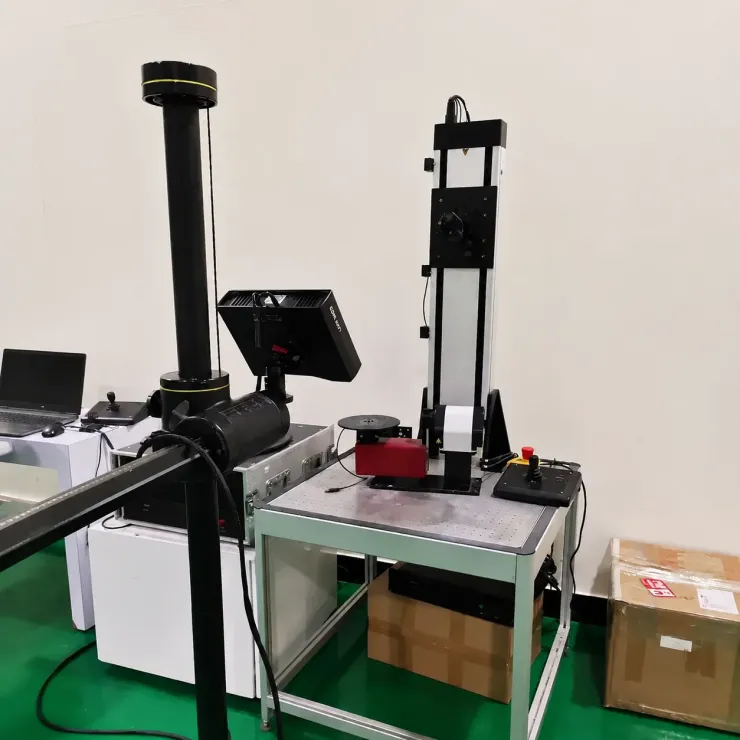
A register row is worthless if nobody can match it to the physical tool on the rack. Every mold needs its number on the steel in two forms: a permanent engraving and a scannable label. Engrave the tool number on the fixed half, near the mold base parting face, at a minimum 4 to 6 mm character height. Engraving survives paint, solvents, rust removal and 15 years of handling. Stamped number plates riveted to the base are an acceptable alternative for large dies.
The QR code handles speed. Use an anodized aluminum or stainless label, laser marked, riveted or bonded to a non-wear face. The code should point to the register row, not embed data. Embedding the shot count in a printed code means reprinting labels, which nobody will do. A URL or database key behind the code lets the data update while the label stays fixed.
Label placement rules. Put the label on the operator side, visible with the mold closed in the machine where possible, and duplicate it on the storage rack face. Keep labels away from clamp slots, water manifold faces and ejector-side rails. Expect 5 to 10 percent of labels to fail per year from handling and coolant exposure, and add label condition to the annual inventory checklist. A $2 label reprint protects a $40,000 to $120,000 tool identity.
Scanning discipline matters more than hardware. The rule is simple: no work order, no movement and no shot-count update without a scan. If the molder records cycles on paper and faxes a weekly sheet, the counter field rots within a month. Most modern presses log shots in the controller, and machine data can feed the register nightly through the molder's MES or a manual weekly export of 2 minutes per machine.
Life Counters: Shot and Stroke Tracking
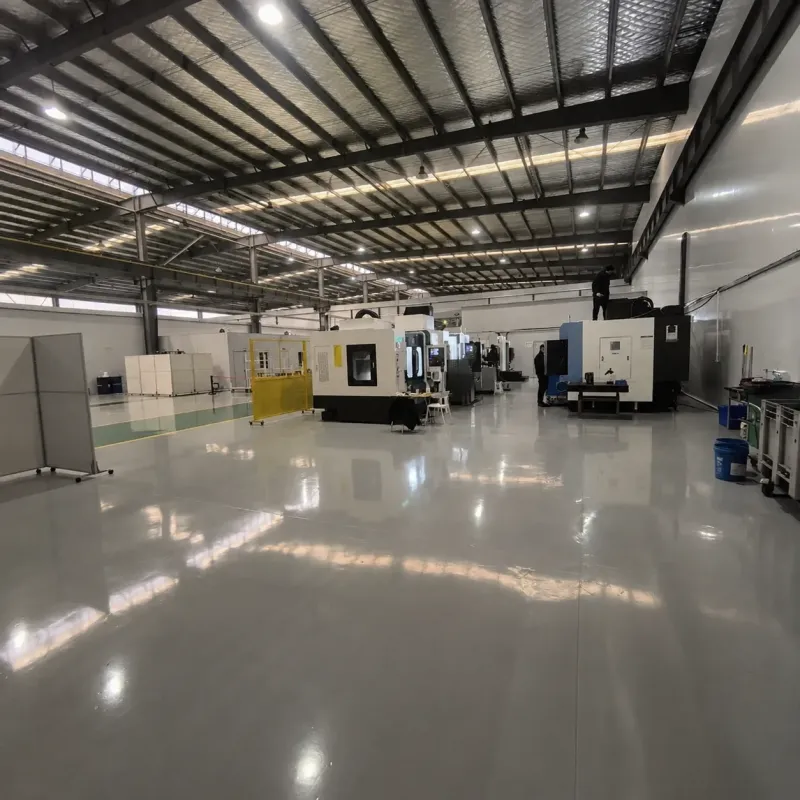
Molds die by accumulation. Every shot wears the parting line, every stroke erodes punch edges, and hot runner tips and heaters fail on hour counts. The life counter is the register field that converts vague feelings like "that tool is tired" into a number you can plan against. Track three counters per tool: total shots or strokes since new, count since last major service, and run hours for heated components.
Rated life comes from the tool class and steel. Industry typical figures: Class 103 soft tooling in P20, 50,000 to 250,000 shots. Class 102 medium production in hardened P20 or H13 cores, 250,000 to 1,000,000 shots. Class 101 high production with S136 or hardened H13 cavities at HRC 50 to 62, 1,000,000 shots or more. Progressive dies in D2 run 1,000,000 to 3,000,000 strokes between major regrind campaigns, with punch regrinds every 100,000 to 500,000 strokes depending on material and clearance. DieStrike builds cavity detail to ±0.002 mm and heats cavity steels to HRC 62 where the duty calls for it, and the rated life in your register should match the class the tool was actually built to.
Counting cadence. Update total counts weekly for tools above 5,000 shots per week, monthly for slower tools, and at every mold change. Set alert thresholds at 70, 85 and 100 percent of rated life. At 70 percent, order long lead spare parts such as custom inserts, because replacements can take 2 to 5 weeks to build. At 85 percent, schedule a full dimensional audit of cavity and core, including wear checks on leader pins and shut-offs. At 100 percent, the tool moves to "life review" status and every production decision needs a documented risk acceptance.
Counter integrity has two failure modes: drift and reset. Drift happens when the press counter is zeroed for a job and nobody records the previous value. Guard against it by storing counts with dates, so a lower number after a higher number flags an unrecorded reset. Reset happens at rebuilds. Never zero the total counter at a rebuild. Add a rebuild event with its date, and keep a separate "since rebuild" counter. The total is the tool's odometer, and scrapping it destroys the scrap decision math.
Maintenance and Spare Parts Records
The register row is the index. The maintenance record is the diary. Every service event on a tool gets one line: date, tool number, event type, what was replaced, who did it, downtime hours and cost. Event types worth separating: preventive service, corrective repair, weld repair, polish or texture work, engineering change and cleaning after storage. Shops that lump everything into "repair" lose the failure pattern data that justifies design changes on the next tool.
Numbers to capture per event. Cost is the field everyone skips and everyone needs. A typical cavity insert replacement runs $300 to $1,500 plus 4 to 16 hours of labor. A laser weld repair on a worn shut-off runs $150 to $600. A full hot runner rebuild with new heaters and thermocouples runs $2,000 to $8,000. Record actuals from invoices, not estimates. After 12 months, the sum per tool tells you which molds are money pits, and the scrap decision in a later section runs on this number.
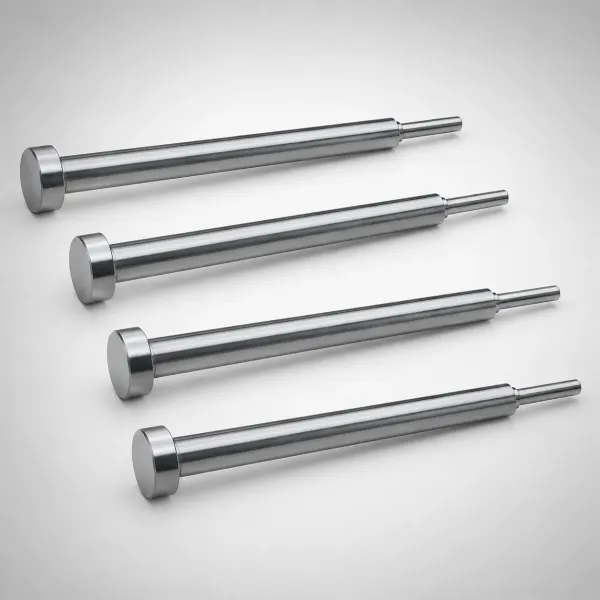
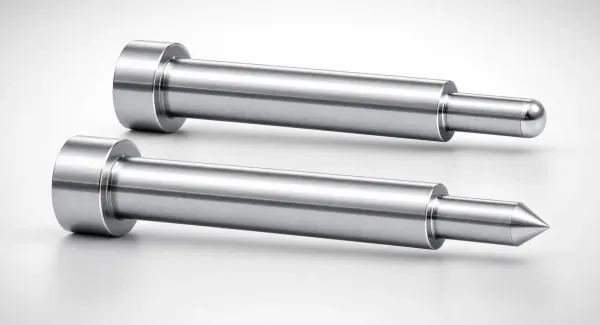
Link spare parts to the register by tool number. Each tool gets a bill of consumables: ejector pins with sizes, core pins, springs, date stamps, heater specs for hot runner tools and leader pin dimensions. Standard items such as ejector pins, core pins, sprue bushings and springs are available in 3 to 7 day lead times from suppliers like DieStrike, so the register should flag minimum stock per tool rather than carry deep inventory. Long lead custom items, inserts and special cores deserve a reorder point at 70 percent of rated tool life, as noted in the counter section.
Keep the maintenance diary within two clicks of the register row. In a spreadsheet setup, one tab per tool with a fixed row format works at under 100 tools. In a CMMS, the tool asset links to work orders natively. Either way, the rule is no event without a record, and no record without a cost. An uncosted repair history understates spend by 30 to 50 percent when you finally do the math for an audit or a transfer negotiation.
Mold History and IATF Traceability
IATF 16949 clause 8.5.2 requires identification and traceability of product, and for automotive customers that extends to the tooling that makes the product. In an audit, the traceability chain runs backward: serial number or batch of the shipped part, to the production run, to the mold that ran it, to that mold's history and calibration records. A register with clean tool numbers and event diaries closes that chain in minutes. Without it, you are reconstructing two years of production from emails.
History fields auditors ask for. Build record: who built the tool, when, to which drawing revision, with what steels and heat treatment certificates. Trial record: T0, T1, T2 dates, first article results and approval date. Change record: every engineering change with ECN number, date, what changed on the steel and which revision of the part it produced. Repair record: dates, nature, weld material used on any weld repair. Calibration linkage: the CMM and gauges used for last dimensional audit, with their calibration due dates.
Weld repairs deserve a special flag in the history. A laser or TIG weld on a cavity changes the material condition locally, and automotive customers often require weld repair notification. Mark welded tools in the register so the quality team knows which tools carry weld history before the next PPAP or annual layout inspection. This single flag prevents the embarrassing audit finding of an undocumented cavity weld on a safety related part.
Retention rules: keep tool history for the life of the tool plus the customer retention period, typically 1 year after part discontinuation for many automotive programs, with some OEMs requiring longer. Digital records make this nearly free. The practical trap is media rot: a 2019 folder on a departed engineer's laptop is not a record. Move the register and its history files to a controlled server location with backups, and name an owner in the control fields.
Location and Status Fields
Molds move. A tool lives at the molder for a campaign, returns to your rack for service, travels to a second molder for overflow and sits at the repair shop for three weeks. If the register does not track location and status, your inventory count is fiction. Use a fixed status vocabulary, five to seven values maximum: In production, Idle in storage, In maintenance, At third party, In transfer, Life review and Scrapped. Free text statuses like "probably at Molder X" break every report built on the field.
Location needs two levels: site and rack position. Site is a controlled list, Plant A rack room, Molder X, Repair vendor Y. Rack position is free text within site, B3-02. When a tool changes hands, both the movement date and the carrier matter for insurance and for transfer disputes. Log movements as events in the history, not just by overwriting the location field, because the overwrite destroys the timeline an auditor or an insurer will ask for.
Custody and ownership split. The control fields should separate legal owner from physical custodian. A tool you paid for and own can sit at a contract molder for two years. When that molder goes bankrupt or the relationship ends, the ownership field plus the purchase invoice plus the engraved tool number is your evidence package for recovery. This is also the field that makes mold storage decisions auditable, because preserved idle tools should show a preservation date and next preservation due date in the same row.
Status drives action cadence. In production tools get weekly counter updates. Idle tools get preservation checks every 3 to 6 months, with rust preventive reapplied per the storage schedule. Tools in life review get a monthly decision prompt so they do not sit in limbo for a year. A register where 20 percent of tools are stuck in a stale status is a register nobody trusts, and trust is the only currency the system has.
Idle and Scrap Decisions
Idle tooling is silent capital. A typical injection mold ties up $40,000 to $120,000, and a multi slide progressive die can pass $200,000. Industry surveys of tool rooms routinely find 20 to 30 percent of registered tools idle for more than 12 months. Every idle tool still costs storage space, preservation labor every 3 to 6 months and insurance premium. The register's job is to force a decision instead of letting tools age into the rack.
An idle clock in one field. Add "last production date" to the control group and compute months idle. Review thresholds: at 6 months idle, verify preservation status and confirm the program forecast. At 12 months, ask the product owner in writing whether the part is live. At 24 months with no forecast, move the tool to life review for a keep, sell or scrap decision. This clock catches the classic zombie: a tool for a part that was quietly discontinued three programs ago.
Scrap decisions combine three numbers from the register. Wear: counter versus rated life, plus last dimensional audit results. Economics: cumulative repair cost in the last 24 months versus a replacement quote. Demand: forecast volume for the next 24 months. Rules of thumb from tooling managers: scrap or sell when projected 24 month repair spend exceeds 40 to 60 percent of a new comparable tool, when the counter passes 120 percent of rated life with rising reject rates, or when demand is zero and the last weld repair touched a critical forming surface.
Before scrapping, harvest value. Spare inserts, hot runner manifolds, heaters, mold bases and standard components such as leader pins and springs can return 5 to 20 percent of book value as working spares for sister tools. Record the harvest in the scrapped tool's history so the parts stay traceable. Finally, physically destroy or deface the tool number on scrapped steel and log the disposal date, because a scrapped tool number found on a live mold years later is an audit finding and a liability.
| Signal from register | Threshold (typical) | Action |
|---|---|---|
| Shot counter vs rated life | 70% / 85% / 100% | Order long lead spares / full dimensional audit / life review status |
| Repair cost, trailing 24 months | Over 40-60% of new tool quote | Rebuild vs replace study with replacement quote attached |
| Months idle (last production date) | 6 / 12 / 24 months | Preservation check / written forecast request / keep-sell-scrap decision |
| Counter vs rated life with defects | Over 120% plus rising rejects | Scrap or sell, harvest spares, deface tool number |
| Weld repairs on critical surface | Any weld on shut-off or forming face | Flag in history, notify quality before next PPAP |
← swipe to scroll →
Table note: Thresholds are typical tooling management figures. Adjust to your part criticality, tool class and customer requirements.
One more decision the register enables: rebuild budgeting. If counters show five tools crossing 85 percent in the next two quarters, you can budget five rebuilds at a typical $8,000 to $30,000 each instead of absorbing them as emergencies. Emergency rebuilds cost 20 to 50 percent more than planned ones once expedite fees and downtime are counted.
Physical Inventory and Insurance
Registers rot through silence. The corrective is a physical count: walk every rack, scan or verify every tool number, confirm condition and location, and reconcile against the register. For a plant with 50 to 200 tools, a full count takes 1 to 3 days with two people. Run it annually for insurance and finance, and spot check 10 to 20 percent of tools quarterly, biased toward tools at third parties and tools with recent status changes.
Count sheet fields. Tool number found, location verified yes/no, label condition, preservation condition for idle tools, visible damage notes and photo. The photo habit pays off twice: once for insurance claims and once for transfer disputes. Typical first count results are uncomfortable: 5 to 15 percent discrepancies between the register and reality are common in shops without a prior counting program. Fix the register to match the floor, not the other way around, then find out why each gap happened.
Third party tools are the hardest line. A tool at a contract molder cannot be scanned by your team. Solve it in the contract: annual count certificate from the molder, signed, with photos of the tool number plate, plus immediate notification of any move or subcontracting. If the molder refuses, that is a finding in itself, and it should feed directly into your supplier decisions before the next mold RFQ goes out.
Insurance needs three numbers per tool: replacement cost, book value and insured value. Replacement cost is a current quote for an equivalent tool, refreshed every 3 to 5 years, because tooling prices drift with steel costs. Typical Class 101 8 cavity molds that cost $45,000 in 2019 quote at $60,000 to $75,000 today. Insurers will ask for the register itself as the schedule of insured assets, and a register with missing values invites a lowball settlement after a fire or flood. Attach invoices and acceptance records to each row so the value field has proof behind it.
Spreadsheet or CMMS: Which Format
Format follows scale. At 20 to 100 tools, a controlled spreadsheet works: one master tab with the register fields, one tab per tool for the event diary, locked cells for tool numbers, and a weekly save to a versioned server folder. Budget: zero dollars, 2 to 4 hours per month of upkeep. The failure mode is access control, so keep exactly two editors and make everyone else a reader.
At 100 to 500 tools or multiple sites, move to a CMMS or a tooling module in your ERP. Typical cost is $1,000 to $10,000 per year depending on users and features. What you buy: scan based updates from a phone, automatic work order linking, counter alerts at the 70/85/100 percent thresholds and multi site permissions. Migration from the spreadsheet is a half day job if your tool numbers are clean, which is another argument for fixing the numbering scheme first.
A middle option deserves mention: a database app with a table per tool and forms for events, at roughly $10 to $30 per user per month. It handles 100 to 300 tools comfortably and exports cleanly if you later move to a full CMMS. Whatever the platform, keep one export of the full register as CSV each quarter, stored outside the tool. Register lock in is real, and a quarterly export costs one click.
Whichever format you choose, define the update contract before the first row: counters weekly from press data, events within 24 hours of completion, location on every movement, values annually. A $50,000 CMMS with a broken update contract underperforms a disciplined spreadsheet, and the reverse is equally true. The system is the habits, not the software.
Rollout in Seven Steps
Step 1, freeze the numbering standard. One page, approved by engineering and quality, covering tool numbers, insert suffixes and the no reuse rule. Two hours of work that prevents months of later migration. Step 2, inventory the floor. Count every mold and die on site, photograph each nameplate or engrave a temporary tag where none exists. Expect the count to find 10 to 30 percent more tools than the purchase list shows, because borrowed, prototype and orphaned tools accumulate.
Step 3, backfill identity fields from purchase orders, drawings and the tool maker's delivery files. For tools where records are gone, capture what the steel says: cavity count, mold base size, steel stamps and hot runner nameplates. A supplier that built the tool can often reproduce the delivery file from its own records, which is one quiet benefit of buying from an IATF 16949 shop such as DieStrike, where build documentation is retained as part of the quality system. Step 4, pull first counters from press logs or molder reports, and mark any estimate as estimated with a date.
Step 5, assign owners and statuses to every row. No orphan tools. If nobody claims a tool within 30 days of written notice to program owners, it defaults to life review. Step 6, engrave and label: permanent numbers on the steel, QR labels on the operator side and the rack. Budget $5 to $20 per label and half a day per 50 tools for the physical work. Step 7, start the update contract and schedule the first quarterly spot count within 90 days, so corrections happen while memories are fresh.
The full rollout for a 100 tool plant typically takes 4 to 8 weeks of part time effort, roughly 40 to 80 labor hours, with most of it in steps 2 and 3. Against that, one avoided 9 hour downtime event from the opening scenario pays for the entire program several times over. And the register keeps compounding: every maintenance schedule you run, every spare part you reorder and every rebuild you plan reads from and writes to the same rows.
FAQ
Q1. How many fields does a mold asset register need at minimum?
Ten fields make it functional: tool number, name, process and cavity count, steel and hardness, rated life, current counter, status, location, owner and value. Most mature registers run 15 to 20 fields. Beyond 20, completion rates fall, so add fields only when a decision needs them.
Q2. How often should shot counters be updated?
Weekly for tools running over 5,000 shots per week, monthly for slower tools, and at every mold change. Set alerts at 70, 85 and 100 percent of rated life. Never zero the total counter at a rebuild, and log rebuilds as events with their own date and cost.
Q3. Who owns the register when the mold sits at a contract molder?
The asset owner keeps the register. The molder supplies counter data, movement notices and an annual signed count certificate with photos of the tool number plate. Put these obligations in the tooling contract before the tool ships, not after a dispute.
Q4. When should a mold be scrapped instead of rebuilt?
Typical triggers: projected 24 month repair cost above 40 to 60 percent of a new comparable tool quote, counter past 120 percent of rated life with rising rejects, or zero demand forecast for 24 months. Harvest spares worth 5 to 20 percent of book value, deface the tool number and log the disposal date.
Q5. Does a mold asset register help with IATF 16949 audits?
Directly. Clause 8.5.2 traceability runs from shipped batch to production run to tool to tool history. A register closes that chain in minutes, and weld repair flags, ECN records and calibration links in the history fields answer the most common tooling audit questions.
The Bottom Line
An unregistered mold fleet turns every failure, audit, transfer and fire into an expensive investigation. A register with permanent tool numbers, live counters, costed maintenance history and honest status fields converts tooling from a mystery into a managed asset, typically for 40 to 80 labor hours of rollout at a 100 tool plant. DieStrike builds IATF 16949 precision molds with customer tool numbers engraved from day one and retained build records, so every tool we ship arrives register ready. If you need tooling that slots straight into your asset system, talk to our team.
KEEP READING
Related Reading
How to Maintain a Mold: Weekly/Monthly/Annual Schedule
Weekly, monthly and annual mold maintenance tasks with the records each one should leave in your asset register.
Read articleArticleHow to Store a Mold: Preservation Between Production Runs
Rust prevention, water line draining and storage status fields that keep idle tools audit ready.
Read articleArticleHow to Extend Mold Life: 5 Proven Strategies
Five proven ways to stretch shot life so your register counters stay below rebuild thresholds longer.
Read articleServiceMold Repair & Maintenance
Repair, rebuild and maintenance support for registered tools, with records that feed your asset register.
Read articleNEXT STEP
Ready to Start Your Mold?
Send us your element dimensions or part numbers — our team responds within 24 hours with pricing and lead time.

Written by
Ray ChanMold Buyer's Guide Author · Precision Mold Manufacturing Specialist. Ray helps global importers, distributors and OEMs source factory-direct molds and mold parts.