
How to Store a Mold: Preservation Between Production Runs | DieStrike
Table of Contents
An 8-cavity connector mold left a press on a Friday afternoon and went onto a storage rack with its cooling circuits still wet. The crew had blown each channel with air for 10 minutes and logged the tool as ready. Flash rust formed inside the 6 mm circuits and across 4 of the 8 cavity faces within 8 weeks. Restoring the SPI A2 surfaces and replacing two inserts cost about $9,000, and the customer's restart slipped 6 days (typical industry figures).
Storage is a maintenance stage, not a parking spot. Rust, not wear, is the most common failure mode for idle molds (typical industry observation). A tool that cost $50,000-$150,000 to build is protected or damaged in the first weeks after the last shot. This guide gives the clean-and-dry rule, rust prevention choices by idle length, storage conditions, an inspection schedule, and a return-to-service checklist.
The Snapshot
- A mold stored wet can flash-rust within 24-72 hours at 60%+ RH typical, and pitting below 0.05 mm already forces a polish or recut.
- SPI A1 and A2 high-gloss cavities rust into $300-$1,500 per cavity re-polish jobs typical.
- VCI emitters protect 0.5-1 m³ of enclosed space typical and hold 6-12 months when the bag stays sealed.
- Relax ejector springs to free length. A spring stored compressed loses 5-10% of its load in a year typical.
- Store at 15-30 °C under 50% RH typical, off the floor, and inspect the mold once a month.
Why Stored Molds Fail
Corrosion Is Faster Than Wear
Corrosion outruns wear on any mold that sits still. Unprotected tool steel at 60% RH or higher shows rust nuclei within 24-72 hours (typical industry observation). A pit 0.01 mm deep on an SPI A2 face is about 400 times the Ra 0.025 µm finish the polisher delivered.
The attack deepens on its own. Fingerprint salts and airborne chlorides drive pitting at 0.01-0.1 mm per month in humid air (typical figures). A pit near 0.05 mm becomes visible to the naked eye. At that size the cavity is a polish or recut decision, not a wipe-down.

Corrosion also hides inside the tool. Shutoff edges, vent pockets, and O-ring grooves trap moisture and rust first. A 0.01-0.02 mm pit along a shutoff edge opens a flash path on the very first shot of the next run. That is why the inspection schedule below looks into corners, not just at faces.
Trapped Water Works From Inside
Cooling circuits carry the second risk into storage. A mold with 8 circuits and 6-10 mm channels can trap 0.5-1 L of water after a hasty blow-down. Trapped water rusts channel walls, grows scale and biofilm, and feeds corrosion through any cracked weld or porous insert.
Internal rust stays invisible until restart. A channel wall that loses 0.2 mm to corrosion still looks round from the outside. Yet flow on that circuit drops 10-20% typical at the next run. The fix is drying every circuit before storage, not a prayer at restart.
Springs and Seals Age on the Rack
Compressed springs creep while they wait. A die spring held at 80% of its rated deflection loses 5-10% of its load in a year typical. A returned mold with soft springs ejects late, sticks parts, or lifts the plate unevenly from the first stroke.
Elastomer seals age by the calendar, not by cycles. O-rings on water fittings and manifold seals typically last 2-3 years in storage before they harden or crack. A cracked seal found at restart leaks water onto the parting line. The leak surfaces only after 1,000 parts are made.
The Clean-and-Dry Rule
Protection starts the day the mold leaves the press, not the day it reaches the rack. Each hour of delay lets resin harden and humidity begin its work on the steel. The rule is short: clean the tool warm at 40-60 °C, dry every circuit, return every moving part, and log the shot count.
Clean the Mold While It Is Warm
Pull the tool and clean it before the steel cools to the shop temperature. Resin residue at 40-60 °C typical wipes off with a soft cloth, while cold residue needs solvents and scraping. Scrape with brass, nylon, or wood on hardened faces only. A steel scraper leaves 0.01 mm scratches that become flash lines at the next run.
Wipe vents and gate lands with a lint-free cloth and check vent depth against the drawing. Standard vents run 0.02-0.05 mm deep typical. A clogged vent discovered at restart means burn marks in the first 20 shots.
Dry Every Cooling Circuit
Water is the enemy, so drying is the core of the rule. Blow each circuit with oil-free air at 0.4-0.6 MPa typical for 10-20 minutes from both ends. The outlet air must show no droplets on a clean cloth, because one trapped droplet keeps a channel wall wet for months.
Cycle the ejector system 5-10 times during the blow-down so water in ejector bores works out. Then leak-check each circuit at 0.4-0.6 MPa typical. A fitting that weeps at test pressure draws humid air into the steel once the mold cools.
Return Moving Parts and Log the Shot Count
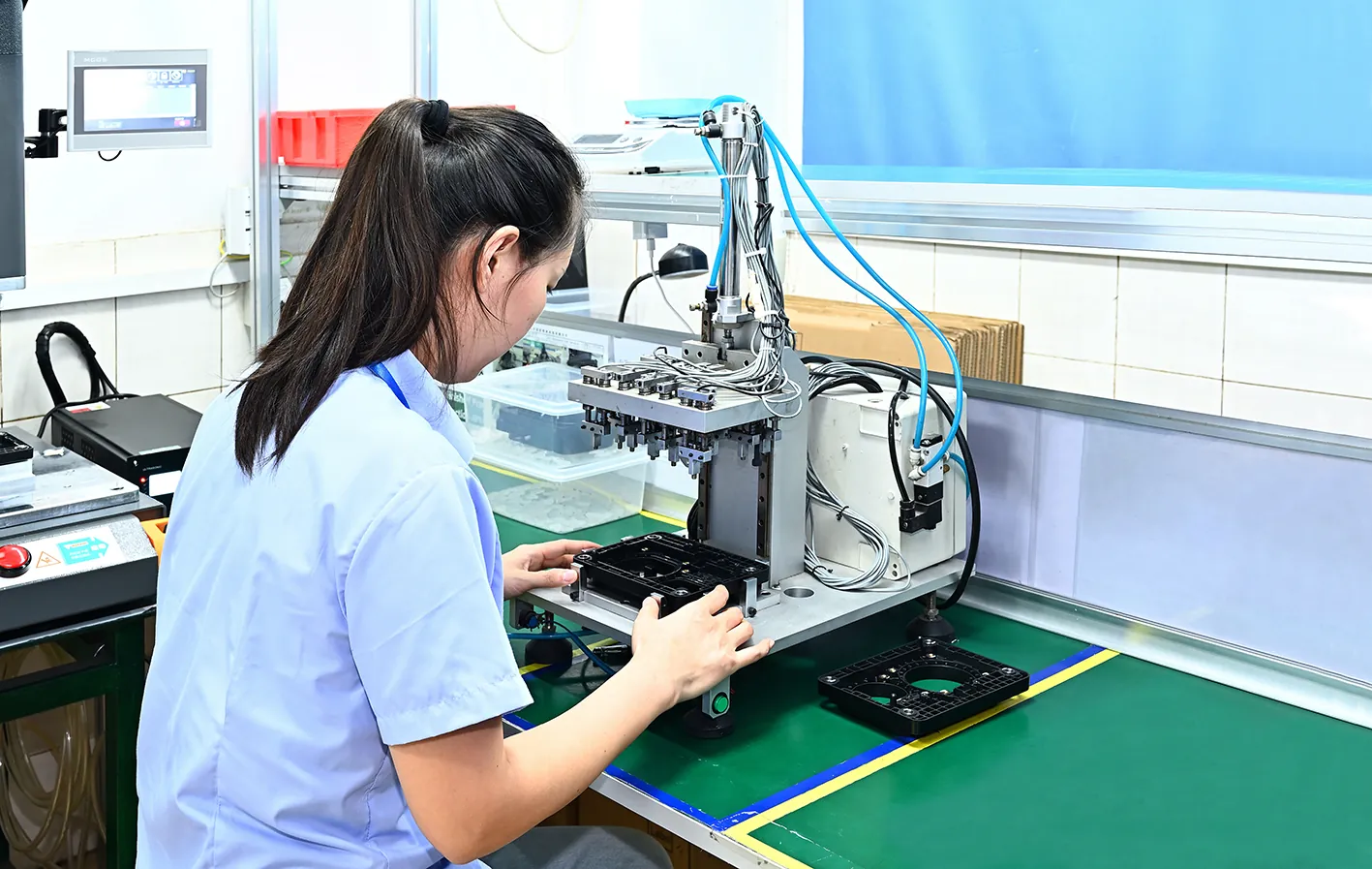
Set the mold at a known mechanical state. Return the ejector plate so pins sit flush within 0.1 mm typical of the core face. Close slides and lifters to their home position, and block the mold open or closed per the maker's instruction.
Log the last shot count, the cleaning date, the protection applied, and the person who did the work. A mold book entry takes 5 minutes to write and saves a 3-hour debate at restart.
Rust Prevention Options
Once the mold is clean and dry, the protection choice follows idle length. A short rack needs only a thin oil film. A 6-month rack needs a sealed barrier with vapor-phase protection. Base the call on the longest likely idle time, because production schedules slip.
| Protection Method | Typical Window | What It Covers | Renewal |
|---|---|---|---|
| Thin rust-preventive oil, 5-15 µm film | Up to 3 months | Cavities, cores, moving fits, parting faces | Wipe and reapply at each monthly check |
| Water-displacing rust preventive | Days to 2 weeks | Surfaces touched after washing or humid handling | Not a long-term layer |
| Solvent-based wax or soft film | 3-6 months | High-gloss cavities and shutoff faces | Strip and reapply per schedule |
| VCI emitters in a sealed barrier bag | 6-12 months | Enclosed mold volume at 0.5-1 m³ per emitter | Renew when the bag opens or the RH card climbs |
| Silica gel desiccant with RH card | 3-6 months | Bag and case interior | Regenerate or replace when the card reads 60% RH |
← swipe to scroll →
Typical protection windows for clean, dry steel. Oiled and bagged layers stack, so racks past 3 months usually run film plus VCI plus desiccant together.
Thin Oil Films for Short Racks
A solvent-based rust preventive leaves a 5-15 µm film typical that blocks fingerprint salts and airborne moisture. Apply it after the mold reaches room temperature. Oil on warm steel dries patchy because the solvent flashes off too fast. Coat every bare face, because a missed 20 mm patch on a slide is where the first rust appears.
Vapor-Phase Corrosion Inhibitors
VCI works in the gas phase. The emitter releases a vapor that condenses on steel and interrupts the corrosion cell. One emitter protects 0.5-1 m³ of enclosed space typical, and a sealed barrier bag holds the concentration for 6-12 months.
VCI needs the right humidity to win. It protects reliably below 70% RH typical and loses the fight above it, so pair every emitter with an RH indicator card. Read the card at the monthly inspection and reseal the bag the moment it opens.
Desiccant Packets and RH Cards
Silica gel pulls moisture out of the bag volume. A packet adsorbs roughly 20-30% of its own weight in water typical, and a 50 g pack dries about 0.5 m³ of air space typical. Sit packets beside the mold, never on the cavity face, and check the RH card color at every visit.
Cavity and Core Protection
Cavity faces carry most of the mold's value, and they are the easiest steel to damage in storage. High-gloss surfaces, shutoffs, and textured faces each need their own rule. One rule covers all three: never touch the steel with bare skin. A single fingerprint can start a rust pit within 24-72 hours at 60% RH typical.
SPI A1 and A2 High-Gloss Faces
SPI A1 mirror faces measure about Ra 0.012 µm and A2 faces about Ra 0.025 µm typical (industry grade figures). Any visible corrosion mark on those numbers is a polish job. Wear clean nitrile gloves, wet the face with the thinnest oil film that covers completely, and wrap polished inserts separately from the base.
Do not oil textured faces the same way as mirrors. Texture holds oil in its peaks and valleys. Pooled oil in a 0.1-0.3 mm deep texture dries to a film that sticks to the part at restart. Textured faces get a light mist, never a flooded coat.
What Rust Costs a Polished Face
Restoring a rusted A1 face is a grind and polish job, not a wipe. A toolroom typically charges $300-$1,500 per cavity to re-polish light rust away (typical industry pricing). Rust pitting past 0.05 mm typical forces an insert recut at $1,000-$5,000 typical, plus the 1-2 week wait.
The 10 minutes it takes to oil a cavity before storage beats the 3-4 hours of bench time a re-polish takes. That ratio is why the clean-and-dry rule and the protection table above are not optional steps. They are the cheapest maintenance the mold will ever receive.
Protective Films and First-Shot Residue
Thicker wax films protect longer, but they leave residue. Residual rust preventive on the cavity face degasses at restart and shows as splay or dull spots on the first 5-20 shots typical. Plan a degrease step and a short validation run before any waxed mold earns a production slot.
Gate and vent areas take the least oil, not the most. Oil pooled in a 0.02-0.05 mm deep vent burns onto the steel at the first shot. Wipe vents dry after oiling and check them again at the monthly inspection.
Moving Parts and Springs
Moving parts fail in storage from neglect, not from use. Slides, guide pins, springs, and ejector systems sit loaded or dry for 6-12 weeks, then get asked for full travel on the first cycle. A dry slide that binds on restart scores its gib within 50 strokes typical.
Guide Pins, Bushings, and Slides
Coat leader pins and bushings with grease, not oil. A grease film of 0.05-0.1 mm typical stays in place for months, while oil drains off and leaves a dry pin. A dry pin dragged across its bushing on the first stroke picks up debris and scores the bore. The score shows up as 0.01-0.03 mm of guide play within 1,000 cycles typical.
Slides and angle pins get the same grease on their working faces and gibs. Apply a fresh film every time the mold leaves the press, because a slide face dries in 3-4 weeks typical under shop air. Replacement leader pins and bushings ship as DieStrike standard parts in 3-7 days when the old fit wears past 0.02 mm typical.
Springs Relax to Free Length
Every compression spring returns to free length for storage. A spring held at 80% of its rated deflection creeps, and typical load loss runs 5-10% in a year. A stack that lost preload ejects late on the first cycle, which is how a sticking part damages a cavity.
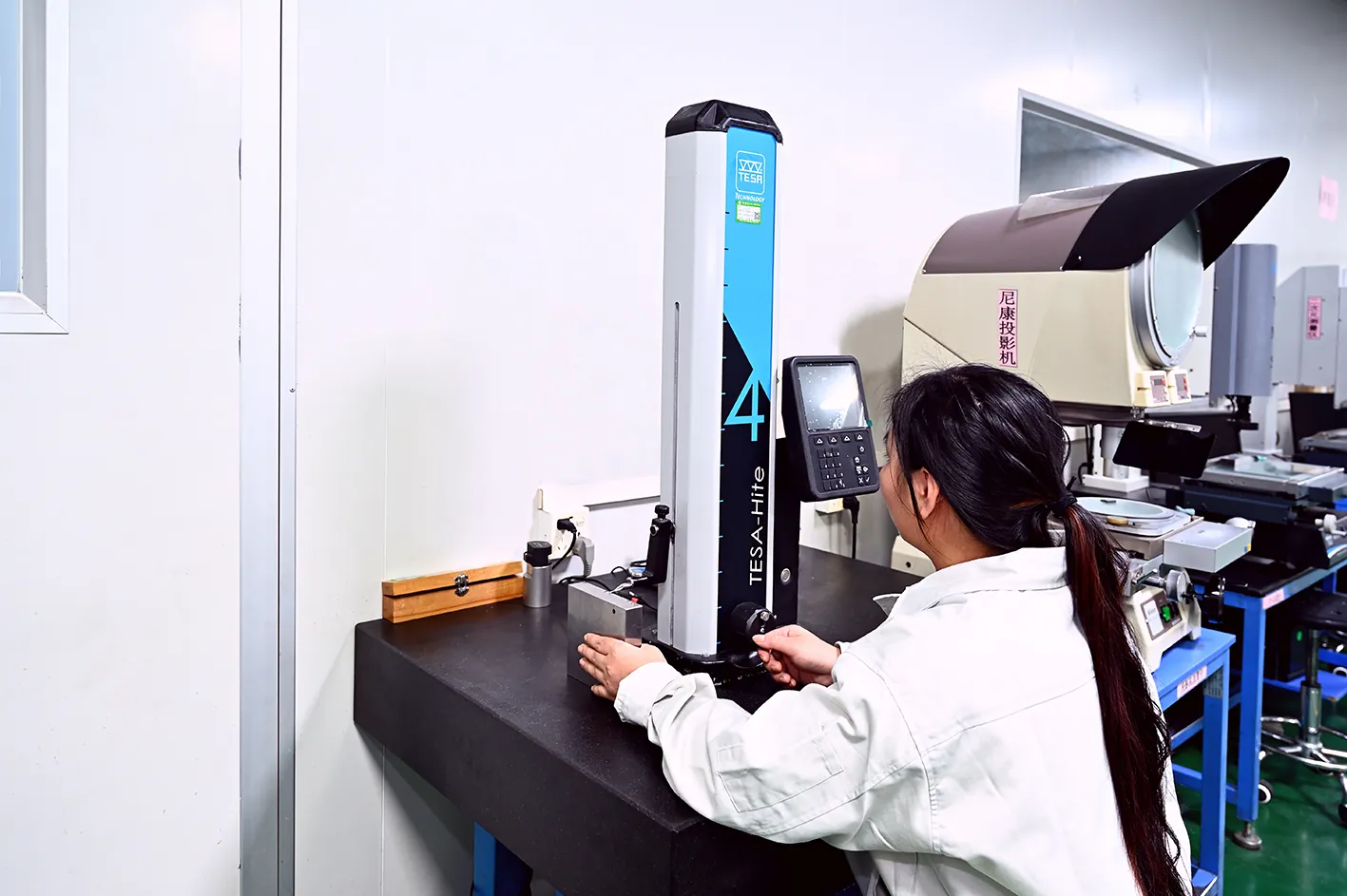
Mark each spring position on the plate before removal. Reassembly then puts the same spring back in the same pocket. The free length logged on the storage tag gives the quarterly inspection a number to compare. Springs that measure 5-10% short of logged free length are replaced, not reused.
Die springs rated for 1,000,000 cycles are common in automotive tooling, but only when they rest at free length between runs. A spring that never relaxes retires early, and early retirement of one spring wears the whole ejector system.
Ejector Plates, Slides, and Cores
Return the ejector system to its home position before racking. Pins sit flush within 0.1 mm typical of the core face, and the plate stays unclamped so its springs remain relaxed. Lock hydraulic and pneumatic cores closed and tag the manifold so no one cycles the mold from a dead state.
Storage Environment
The room decides how hard every protection step has to work. Industry guidance for mold storage sits at 15-30 °C typical with relative humidity below 50% RH typical. A good oil film fails above 60% RH, and VCI loses its margin above 70% RH typical.
Temperature and Humidity
Steady conditions beat perfect conditions. A mold that lives at 18 °C and 45% RH typical rarely rusts. A mold that swings between 25 °C and 70% RH rusts despite the same oil film. Keep the storage bay away from outside doors and wash-down areas.
Temperature swings push moisture out of the air onto the steel. At 30 °C and 60% RH the dew point sits near 21 °C typical, so a bay cooler than that condenses water onto the mold. Condensation defeats every barrier except a sealed bag.
Racking and Positioning
Store molds on racks or pallets 150-300 mm off the concrete floor typical, where wash-down water and cleaning spray collect. Support the base on flat rails so the plates never rock on two corners. A large mold rocking for weeks stresses dowel fits, and the first sign is guide bind at restart.
Keep storage racks 5-10 m typical from grinding bays, paint booths, and press lines. Abrasive dust from a nearby grinder settles into oil films and becomes lapping compound on the first stroke after restart. Direct sunlight cooks oil films and ages VCI bags, so keep racks out of window light.
Mold Book and Tag Discipline
A stored mold without a record is an unknown asset. Note the cleaning date, protection method, storage bay, and inspection history on the tag before the rack. A mold with a clean 6-month log returns to the press in a few hours. One without a log costs 2-3 hours of investigation before anyone trusts it.
Short-Term vs Long-Term Storage
Protection tiers follow calendar time because corrosion is a calendar event. Three bands cover most racks: up to 1 month, 1-6 months, and more than 6 months. Reclassify the mold the same day a program shifts, because the cheapest protection is the one sized before the schedule changes.
| Idle Length | Minimum Protection Typical | Longer-Rack Extras | Restart Prep |
|---|---|---|---|
| Up to 1 month | Clean, dry, light oil film 5-15 µm on all bare steel; springs at free length | None | Wipe and re-oil, then a 5-10 shot validation |
| 1-6 months | Prior steps plus a solvent wax film or a sealed VCI bag with desiccant | RH card; monthly visual check | Degrease, flush circuits, low-pressure trial |
| More than 6 months | Heavy wax film or full VCI enclosure with emitters sized at 0.5-1 m³ each | Quarterly deep pass; renew VCI at 6 months | Strip film, verify circuits and springs, trial before production |
← swipe to scroll →
Typical practice for toolroom storage. When the return date is unknown, step up one tier and renew the protection at the 6-month mark.
The up-to-1-month band still demands discipline. Shops skip the parting face coat because the mold is back in 2 weeks. A shutoff edge then rusts in 24-72 hours at 65% RH typical. A rusted shutoff edge is a flash source at the next run.
The 1-6 month band is where VCI earns its cost. A sealed barrier bag with emitters and an RH card removes humidity from the equation below 50% RH typical. The bag costs a fraction of the $300-$1,500 per cavity that a rusted A2 face costs to re-polish.
Past 6 months, treat the mold like a warehouse asset. Use a heavy film or full VCI enclosure and renew both at the 6-month mark. Stroke slides by hand at the quarterly inspection so grease films do not separate. Confirm the ejector system still travels its full 50-100 mm typical without bind.
Inspection Schedule While Stored
A protected mold still needs eyes on it. Rust does not announce itself, and a VCI bag can tear on a rack edge without anyone hearing. Run two levels of checks: a 10-15 minute monthly walk and a 30-45 minute quarterly pass.
| Frequency | What to Check | Action Thresholds |
|---|---|---|
| Monthly, 10-15 min | Rust at parting line, shutoffs, slides, cooling fittings; oil film coverage; bag seal and RH card | Re-oil bare spots the same day; reseal or replace torn bags; renew desiccant past 60% RH typical |
| Quarterly, 30-45 min | Cavities under 10x loupe; spring free length; slide grease film; VCI emitter condition | A pit at 0.02-0.05 mm typical moves the face to polish or recut; springs 5-10% short are replaced |
← swipe to scroll →
Typical checkpoint set for a protected mold. Log both passes in the mold book, and treat any RH card reading above 60% as a reseal trigger.
The Monthly Walk
Look first at the places that see water and fingerprints: the parting line, shutoffs, slide faces, and cooling fittings. Wipe and re-oil any bare spot on the spot, because a 20 mm dry patch rusts before next month's visit. Confirm the VCI bag is sealed and the RH card reads below 60% typical.
Torn bags get replaced the same day. A desiccant card that reads past 60% RH typical means the packet is spent, and a spent packet in a sealed bag is theater. Log the check in 5 minutes and move on.
The Quarterly Deep Pass
The quarterly pass opens the bag in a dry bay at 15-30 °C typical. Inspect the cavities with a 10x loupe for the first pits, and measure two or three spring stacks against the free length logged at storage. Stroke each slide by hand to confirm the grease film has not dried out.
Log every finding with the date and the shot count. A pit caught at 0.02 mm typical is a 30-minute local polish. The same pit found at 0.2 mm is an insert recut, and that gap is the whole reason the schedule exists.
Bringing a Mold Back into Service
Returning a stored mold is the mirror of storing it, run in reverse with verification added. A tool stored clean, dry, and logged comes back through four gates: strip, verify, assemble, and trial. A full replacement injection mold from DieStrike builds in 2-4 weeks, which makes the four gates worth one careful afternoon.
Strip the Protection Layer
Remove the oil or wax film with a solvent degreaser before anything touches the cavity. Residual film on an A2 face degasses and shows as splay on the first 5-20 shots typical. Wax left in a vent pocket burns onto the steel, so wipe vents dry last and check them with a 10x loupe.
Verify Circuits, Springs, and Seals
Flush every cooling circuit and compare flow against the T1 baseline recorded at the last run. A drop of 10-20% typical means scale or debris from storage, and the circuit gets cleaned before the mold goes near the press. Pressure-test each circuit at 0.4-0.6 MPa typical and replace any O-ring that weeps.
Re-check spring free length against the storage log and replace any stack that lost 5-10% typical. Reinstall springs in their marked pockets and confirm ejector pins return flush within 0.1 mm typical. Seals older than 2-3 years typical are replaced on schedule, not on failure.
Low-Pressure Trial Before Production
Trial the mold before it earns a production slot. Run the first 5-10 shots typical at reduced clamp and low injection pressure, then check ejection, venting, and gate vestige. Compare the first parts with the approved first-article report while the mold is still on the bench side of the schedule.
A dimension that moved while the mold sat idle points at plate stress or a loose fit, not at the process. If the checks show pits, soft springs, or a weeping circuit the shop cannot fix in-house, send the tool out before production starts. DieStrike's mold repair and maintenance service handles the inspection, replacement work, and trial support. DieStrike is an IATF 16949 certified mold shop with 120+ machines, so the repair runs under one quality system.
Frequently Asked Questions
Q1. How fast can rust start on a stored mold?
Unprotected tool steel at 60% RH or higher typical shows rust nuclei within 24-72 hours. A cleaned, oiled mold sealed in a VCI bag below 50% RH typical stays protected for 6-12 months. The drying step decides which outcome applies to your tool.
Q2. Do springs need to be relaxed when a mold goes into storage?
Yes, every compression spring should return to free length. A die spring held at 80% of rated deflection loses 5-10% of its load per year typical. Mark each pocket and measure the stack again at the quarterly inspection. Replacement springs ship as DieStrike standard parts in 3-7 days.
Q3. Is VCI protection enough if the cooling circuits were not dried?
No, because VCI works in the gas phase and cannot displace standing water. A wet circuit rusts from inside regardless of the bag. Blow each circuit with oil-free air at 0.4-0.6 MPa typical until dry, then seal the mold. Flow-test the circuits again at restart.
Q4. What happens if a mold runs without removing the rust preventive film?
Residual film degasses on the hot cavity and shows as splay, dull spots, or burn marks on the first 5-20 shots typical. Degrease the cavity faces and vents before the trial run. The 10-minute degrease protects both the first article and the mold book.
The Bottom Line
Storage is cheap insurance on an expensive asset. Clean the mold warm, dry every circuit, relax the springs, and seal it below 50% RH typical. A $50,000-$150,000 tool then comes back in hours, not after a $9,000 rust repair.
When a stored mold needs a repair or a fresh protection pass, send it to DieStrike's mold repair and maintenance service. Molds stored 6 months or more get a full condition report before the next run.
KEEP READING
Related Reading
7 Signs Your Mold Base Needs Replacement
Guide play past 0.02 mm, cracked plates, and corroded pockets are signs a mold base needs replacement, not repair.
Read articleArticleHow to Maintain a Mold: Weekly/Monthly/Annual Schedule
A 30-minute weekly check catches ejector drag and cooling flow drops before 0.02 mm of wear turns into a $25,000 rebuild.
Read articleArticleHow to Extend Mold Life: 5 Proven Strategies
HRC 62 cavity steel, PVD coatings, and threshold-based part changes push a mold past 500,000 cycles instead of 180,000.
Read articleArticleHow to Select SHCS for Mold Assembly
Thread engagement, grade 12.9 strength, and torque limits that keep cavity plates clamped across a 1,000,000-cycle run.
Read articleNEXT STEP
Ready to Start Your Mold?
Send us your element dimensions or part numbers — our team responds within 24 hours with pricing and lead time.

Written by
Ray ChanMold Buyer's Guide Author · Precision Mold Manufacturing Specialist. Ray helps global importers, distributors and OEMs source factory-direct molds and mold parts.