
How to Clean Molds with Dry Ice Blasting: Media, Setup and Limits
Table of Contents
A bumper tool coated with baked-on release agent does not fail with an alarm. The reject rate drifts from 0.4 percent to 2 percent as release changes, and the cavity gets blamed long before anyone measures the film. A 5 to 50 micron bake-on layer alters part release, and the wrong cleaning route takes the surface with it. This guide sets the numbers for dry ice blasting: media, pressure, blast windows by surface, cost per pass, and the deposits the process cannot fix.
Every figure below is a typical industry value, checked against the tool's steel, texture and deposit type before a route is chosen.
The Snapshot
- 3 mm pellets at 3 to 7 bar. Solid CO2 at -78.5 C is accelerated through a 6 to 10 mm bore hose, and the pellets sublimate on impact with no secondary media waste.
- 800 to 2,500 USD per mold set, on-site. A contractor pass takes 0.5 to 2 hours per half, and light films can be cleared in-press in about 10 minutes without a demount.
- Deposits in the 5 to 50 micron band. Release-agent bake-on, parting-line ghosting, hot-runner oil carbon, zinc transfer and oxide scale after 20,000 to 50,000 shots are the target films.
- Cleaning pays above a 1.5 percent reject rate. A 300,000-shot-per-year bumper cleaned every 25,000 to 50,000 shots at 1,500 USD per pass costs 9,000 to 18,000 USD per year against a 15,000 to 40,000 USD cavity replacement.
What Dry Ice Blasting Actually Does
Dry ice blasting fires pellets of frozen carbon dioxide at a contaminated surface using compressed air. The pellets are CO2 snow compressed into 3 mm sticks at a density around 1.5 g/cm3. A standard mold-cleaning machine accelerates them at 3 to 7 bar of shop air through a 6 to 10 mm bore hose, and they leave the nozzle at roughly 100 to 300 m/s.
Three mechanisms strip the deposit at once. Kinetic energy cracks the film's bond to the steel. Thermal shock follows: a -78.5 C pellet landing on a 40 to 80 C mold face pulls the deposit surface down by 120 C or more in milliseconds, embrittling polymer and carbon films. Then sublimation lifts them: the pellet jumps from solid to gas on impact, expanding roughly 800 times in volume inside the crack it just opened, and the fragments pop off.
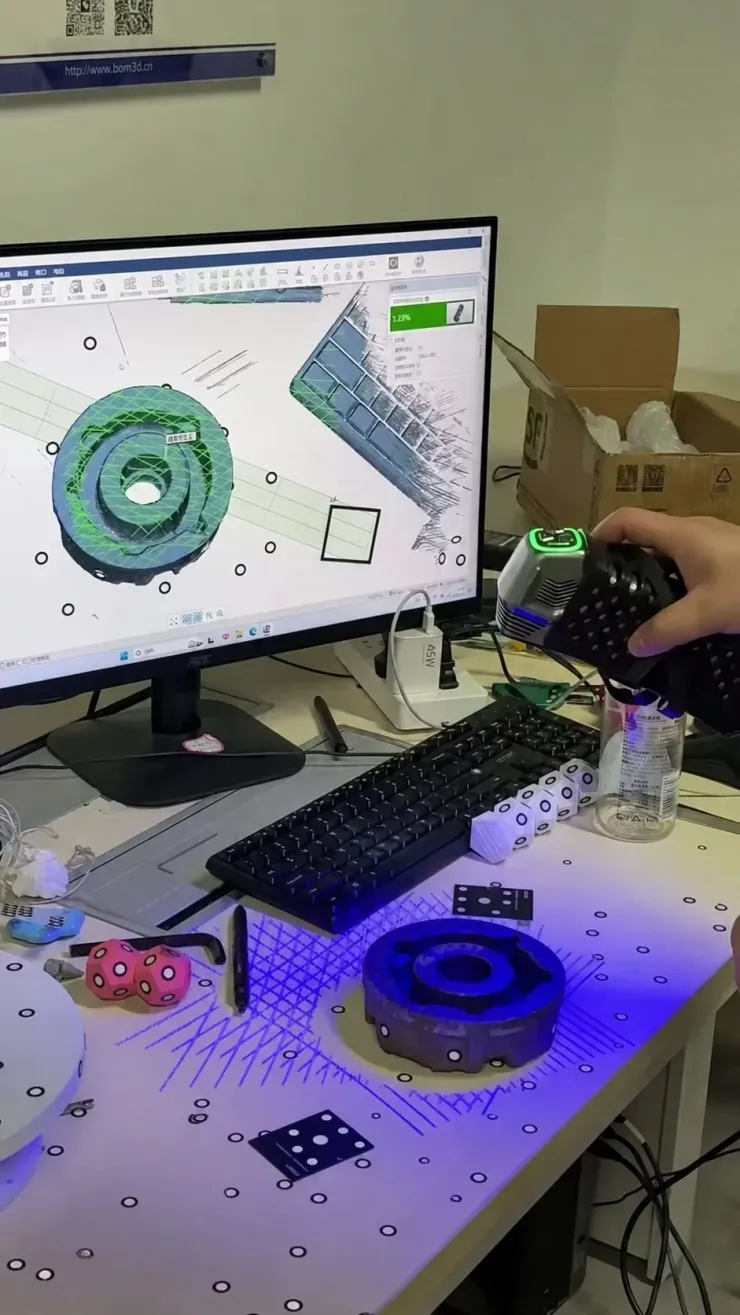
The waste stream is the point of buying it. The pellets leave no residue, so the only waste is the deposit itself, which falls to the floor as powder or flake. Soda, plastic and slag media leave hundreds of grams of spent grit per mold half and force a second clean of vents, slides and pin bores.
Air and pellet consumption set the logistics. A typical unit draws 1.7 to 7 m3/min of compressed air and 10 to 30 kg of pellets per hour. A plant without a dryer sized for that flow loses pressure mid-pass, and a wet air line sprays water onto cold steel, which is how a clean mold leaves the bay rusted.
The Deposit Map: What Blasting Removes
Dry ice blasting is a film remover, so the decision starts with a deposit map: what is on the steel, how thick it is, and how long it has baked there. The five families below are the ones the process handles routinely.
| Deposit | Typical thickness | Where it forms | Dry ice verdict |
|---|---|---|---|
| Release-agent bake-on | 5 to 50 micron film | Cavity land and core, worst on the last 20 percent of fill | Primary route, 3 to 5 bar |
| Plastic ghosting film | 2 to 20 micron sheen | Parting line and shut-off edges, from dead skin and slip additives | Good route, watch the vent band |
| Oil carbonization | 10 to 100 micron tar | Around hot-runner tips, guide posts and leaking slide lubricant | Good route, may need a second pass |
| Zinc transfer | 20 to 200 micron smears | Die casting die faces and slide contacts on galvanized stock | Works, 5 to 7 bar, harder than bake-on |
| Oxide scale, die cast | 50 to 300 micron | H13 faces after 20,000 to 50,000 aluminum shots | Partial route, see the die life guide |
← swipe to scroll →
Table note: thickness bands are typical observed values by deposit family. Confirm film type with a swatch test on a hidden pad or runner block before blasting a cosmetic face.
Release-agent bake-on is the volume business. Silicone-free sprays leave a 5 to 50 micron polymer film that cross-links under cycle heat, and once it passes roughly 20 microns the part starts sticking on one side of the tool. Additive bloom from slip agents builds the same film at the parting line, where it reads as ghosting on glossy parts.
The oxide scale row is the honest one. On an aluminum die casting die, blasting strips fresh scale and zinc transfer between production windows, a lever inside the wider story told in the die casting mold life guide. Mature, diffusion-bonded scale deeper than roughly 300 microns needs a media or hand route.
One deposit family is out of scope by physics, not policy. Water-side scale, slime and corrosion products live inside cooling circuits the nozzle cannot reach. That job belongs to the chemical and pressure-wash route in the cooling channel cleaning guide.
Blast Windows by Steel and Surface
Pre-hardened P20 at HRC 30 to 36 is the forgiving case: 5 to 7 bar and 3 mm pellets lift heavy bake-on without marking the face, because the pellet is far softer than the steel and rebounds rather than cutting. A through-hardened tool steel up to HRC 62 takes the same window with even less risk of visible marking.
Nitrided surfaces are the opposite. A nitrided case under 0.1 mm depth is a hard, thin compression layer over softer substrate, and a 7 bar pellet stream peens and pits that case. Stay under 5 bar, keep the nozzle moving, and run a swatch pad first. PVD coatings at 2 to 4 micron go one step further: blasting is not their routine cleaner.
Texture traps media. A VDI 27 to 48 etch has valleys 20 to 60 micron deep, and a nozzle driven square into the grain embeds grit and burnishes the peaks flat, which reads as shiny streaks on the part. Hold the nozzle at 15 to 30 degrees and let the stream sweep the valleys instead of packing them.
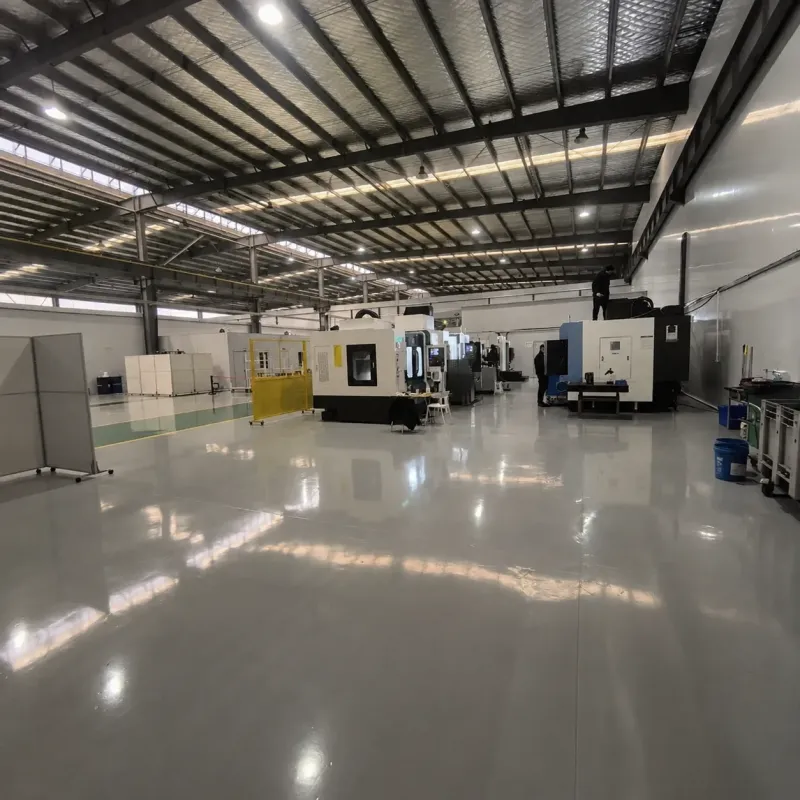
Polished faces go first and gentlest. An SPI A-1 mirror starts with 2 mm micro-pellets at 2 to 3 bar, a 50 to 100 mm standoff and continuous motion. That pass lifts a light film without any measurable change to a Ra 0.01 micron surface. Escalate pressure only after a swatch test on a non-cosmetic pad proves the film will not lift inside the low window.
Geometry adds a second constraint. Deep cores and blind bosses keep cold gas and flakes in the pocket after the stream stops, so blast corners at an angle and blow the pocket out with dry air before the tool closes. Flakes pressed into a corner under a closed clamp load 0.05 mm onto a shut-off, and the next thousand parts carry flash.
What Dry Ice Blasting Does Not Fix
Blasting cleans; it does not repair. Four damage families survive a perfect pass, and buying a pass against them wastes 1,500 USD and two hours of press time.
Corrosion pitting is a geometry loss, not a coating. A pit is a hole in the steel, and the CO2 stream cannot fill it. Light flash rust lifts off and reveals the pits underneath, useful for inspection but not for molding. Pitted cosmetic faces need polishing or weld-and-resurface, and the chemistry behind the rust sits in the rust and corrosion prevention guide. Heat checking is the same story at higher temperature: a network of 0.02 to 0.2 mm thermal-fatigue cracks is opened, cleaned and left open, and only weld repair plus re-texture closes the loop.

Embedded abrasive is a legacy fault. A tool sandblasted or shot-peened in a past life holds media particles in its surface, and blasting clears the deposit over the embedment without extracting the grain. When a textured part shows shiny specks a week after cleaning, check the tool service history before buying another pass.
Dimensional damage will not shrink back. Worn shut-off lands, eroded gates and a parting line that has walked 0.1 mm from clamp loading are steel-loss problems. A refurbishment plan can pair the cleaning window with the rebuild, but the rebuild itself is grinding, welding or insert replacement against the plus or minus 0.005 mm drawing tolerance.
How It Stacks Against the Other Routes
Five routes compete for this job, and each has a number that disqualifies it somewhere. Hand lapping with solvent runs 2 to 6 hours per face at 25 to 45 USD per labor hour, so a four-face set is a 100 to 540 USD labor job before scratch risk. One slipped stone on an SPI A-2 face costs a full re-polish plus a texture rebuild if the zone is etched.
Ultrasonic bathing is the cleanest finish on removable steel, but the tank only takes what fits: inserts under roughly 500 mm, a 30 to 80 kHz bath at 40 to 60 C, 20 to 40 minutes per load. It owns the loose-pin box, not the cavity.
Soda and plastic media at 2 to 4 bar strip bake-on and leave the residue problem behind. Fine sodium bicarbonate is 50 to 150 micron powder that packs into 0.02 to 0.04 mm vents, slide gaps and pin bores, and every gram is a future flash line. On open cavities with slides and lifters, treat soda and plastic media as forbidden: purging the residue costs more than the clean.
Laser cleaning has rental economics that sting. A 200 to 1,000 W pulsed fiber unit rents at 500 to 2,000 USD per hour, works on oxide under 1 mm, and fails on oily bake-on, because carbon films absorb and smear rather than ablate. A 2 hour laser pass can cost what two full dry ice passes cost.
Dry ice sits in the middle of the cost and risk curves: 800 to 2,500 USD per mold set on-site, 0.5 to 2 hours per half, zero media teardown because the waste stream sublimates. The selection rule: assembled tool with organic film, blast; loose small part, ultrasonicate; heavy oxide on a die cast face, blend a blast with a hand route.
Process Discipline and PPE
The mold is the thing contractors damage, so the discipline list is short and absolute. Retract or mask the ejector pins before the pass. The CO2 fog carries condensed shop humidity and drives moisture into bare pin bores, where rust starts within hours on unprotected carbon steel pins. Pull the pins, or oil the plate before reassembly. The same logic covers guide posts, bushings and slide tracks: blast, wipe, oil, and never let clean bare steel sit oil-free overnight.
Two port families never take the full window. Hot-runner thermocouple and heater-cartridge bores are precision fits at 0.02 to 0.05 mm clearance, and a 7 bar stream peens the bore mouth; the next thermocouple then fails to seat and reads 10 to 20 C low. Vent channels at 0.02 to 0.04 mm deep widen by peening if the nozzle dwells longer than about 2 seconds in one spot, and a widened vent becomes a witness line and eventually a flash line. Mask them, cap them, or blast at 2 bar from 45 degrees and never static.
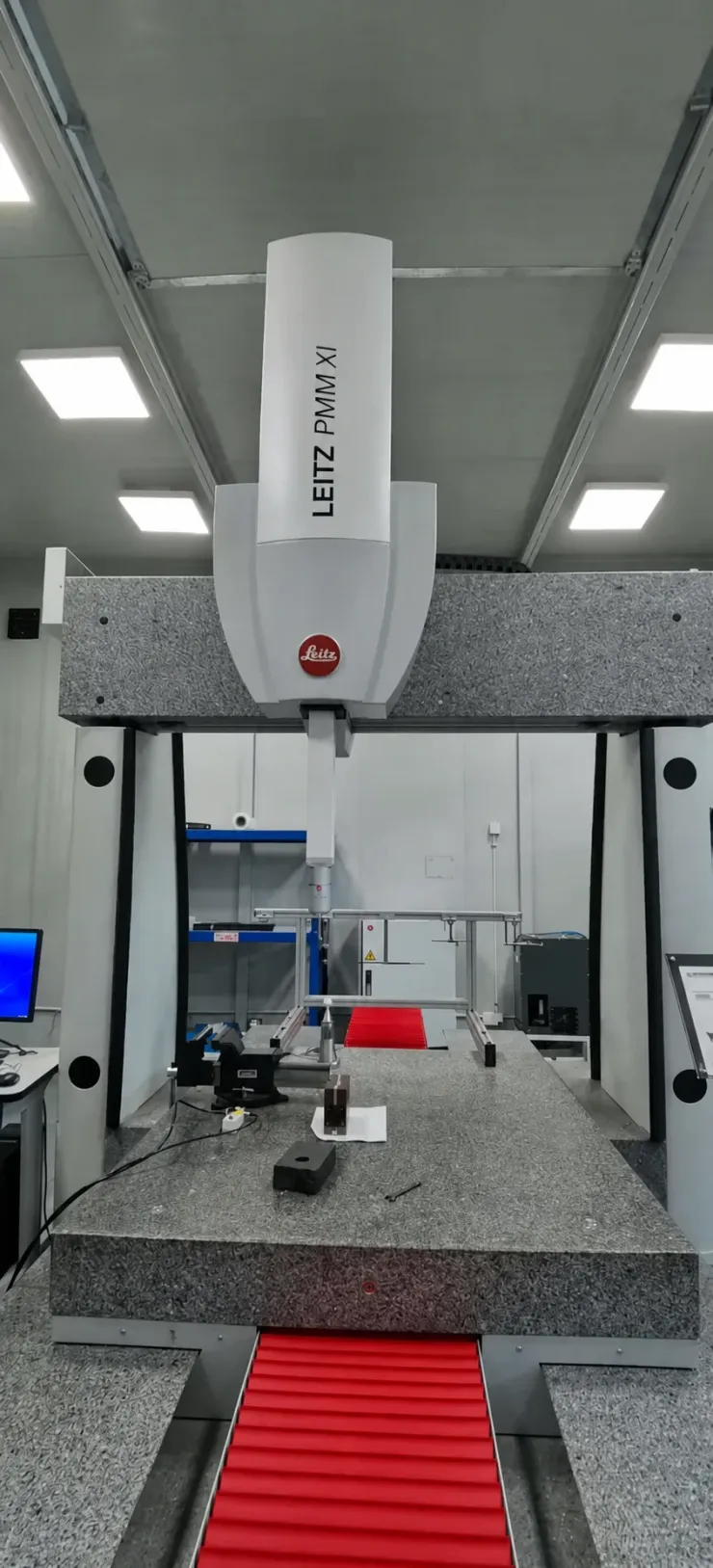
The people hazards are frostbite and suffocation, not projectile media. Pellet stream and handled pellets sit at -78.5 C: insulated gauntlets, sealed goggles and long sleeves are mandatory, because a bare-hand grab of a wet pellet stick welds skin to it instantly.
The bigger killer is the gas. Sublimated CO2 is heavier than air and pools at floor level in a pit or bay corner. Keep the bay ventilated, and run an O2 monitor in any closed booth: below 19.5 percent oxygen, evacuate instead of negotiating. Hearing protection matters too, since a 7 bar nozzle with a restricted return can exceed 100 dBA.
Finish the pass against humidity, not the clock. Above roughly 70 percent ambient humidity, the cold steel of a freshly blasted cavity re-condenses water as it warms, and condensation on clean bare steel starts flash rust within a couple of hours. Fog-proof the mold with a thin inhibitor or spray oil within 2 hours of blasting, then close the tool or bag it. The film-weight numbers behind that step live in the rust prevention guide linked above.
In-Mold Versus Out-of-Mold Cleaning
Dry ice blasting pays its fastest return when the mold never leaves the press. An in-press pass on an open tool at 60 to 80 C handles the light ghosting and release film that drives a short-run color change, and the event takes about 10 minutes with no demount, crane or re-shim. The warm face helps: it shortens the thermal-shock distance from the -78.5 C pellet, so the low 2 to 3 bar window does more work.
Three things must be true before anyone points a nozzle into a clamped-open tool. The press is locked out and tagged with energy isolated. The work area is clear of the pellet return cloud. And the machine optics, sensors and part cameras are shrouded, because CO2 fog inside a lens barrel condenses and fogs again every shift for a month.
Heavy bake-on and die-cast scale need the tool out. An out-of-mold pass at a mold temperature of 40 to 60 C runs 2 to 4 hours for a set, on a bench or in a pit, with every face reachable at 15 to 30 degrees and the slides pulled where the contractor asks. That downtime is the number to compare against the press-hour cost of the campaign being interrupted.
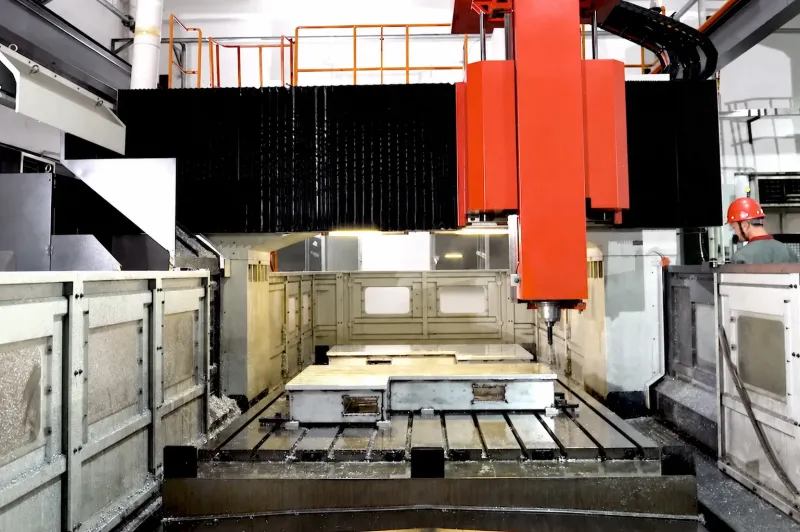
Do not blast a hot-runner assembly in place at production temperature. Tip seals, valve-pin guides and the nozzle-to-manifold thermal gap are the failure points, and a 5 bar stream aimed at a seal seat at 300 C turns a clean into a leak. Nozzle seals are consumables, reached during a scheduled teardown inside the mold repair and maintenance window where the tool is already open.
Frequency and Cost Economics
Frequency is a reject-rate decision, not a calendar decision. Take a 300,000 shot per year bumper tool as the reference. Cleaning every 25,000 to 50,000 shots at 1,500 USD per pass is 6 to 12 passes a year, a 9,000 to 18,000 USD line. A cavity remake on that tool is 15,000 to 40,000 USD, and the protected asset is usually a Class A visible face plus a shut-off chain.
The break-even is arithmetic the shop can run. If deposit-driven rejects cost more per year than the cleaning line, clean more often; if less, stretch the interval. The decision flips at roughly a 1.5 percent reject rate once deposition has begun, which on a 300,000-shot program is 4,500 extra rejects a year and usually far more than 18,000 USD of resin, machine time and sorting.
Track leading indicators, not just the rate. Sticking on one side of the tool, ghosting that reappears within 20,000 shots of the last clean, release-spray counts up 25 percent quarter over quarter, and a purge time that grows week by week all say the film is past 20 microns. Buy the pass when two indicators move together, and log the shot count at every pass, because your own interval data beats any vendor brochure.
Two costs get forgotten in every budget. Pellets boil off at roughly 5 to 10 percent per day in an insulated bin, so a contractor hauling 60 km delivers on the day of the pass, and a 4 hour job at 10 to 30 kg/h ends with a 40 to 120 USD media line. And a 1.7 to 7 m3/min air demand can load the house compressor by 15 to 30 percent, so a ring main that droops below 6 bar mid-pass explains a failed first attempt.
Dry Ice Blast Setup Checklist
Run this list before the nozzle opens and again before the mold closes, so a supervisor can sign it without guessing at any number.
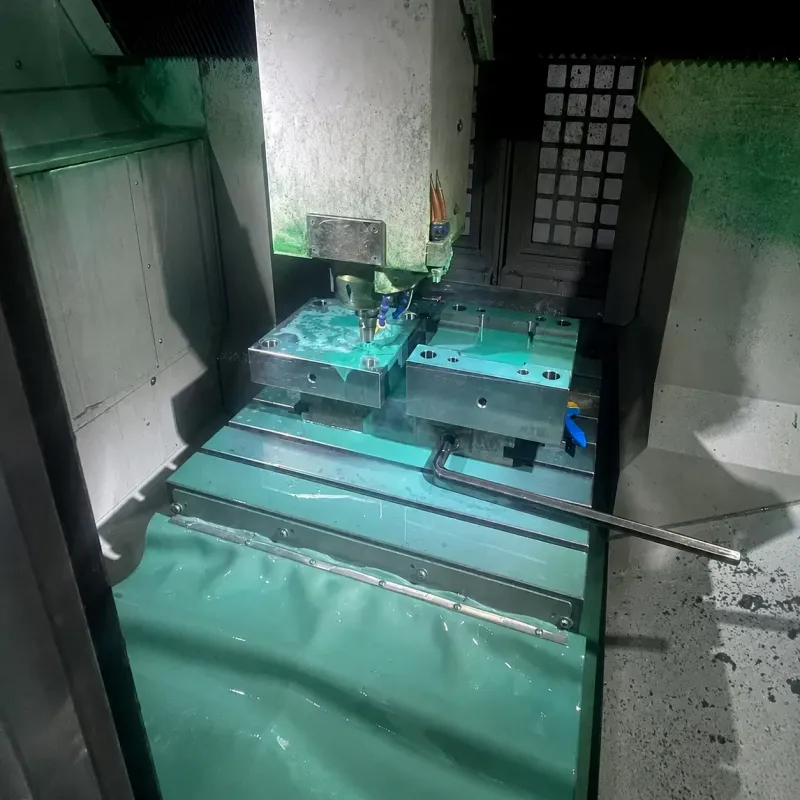
- Air quality. Dew point at or below -20 C and no liquid carryover, because wet pellets clump in the hose and wet air on cold steel leaves rust within hours.
- Window by surface. P20 at 5 to 7 bar with 3 mm pellets; nitrided under 5 bar; VDI 27 to 48 at 15 to 30 degrees; SPI A-1 at 2 to 3 bar with 2 mm micro-pellets.
- Standoff and dwell. Keep 50 to 100 mm nozzle distance and under 2 seconds dwell at any one point so vents at 0.02 to 0.04 mm and shut-off edges are not peened.
- Ports and pins. Mask or cap thermocouple and heater bores, retract or remove ejector pins, and pull slides only where the contractor asks.
- Gas and PPE. Ventilated bay, O2 monitor armed with evacuation at 19.5 percent, gauntlets and sealed goggles rated for -78.5 C contact.
- Post-blast protection. Inhibitor or spray oil on all bare steel within 2 hours above 70 percent humidity, and oil topped up in every pin bore before reassembly.
- Verification. Photos before and after, a 10-shot cosmetic check on the first restart, and the pass logged at its shot count in the maintenance file.
A mold that leaves the bay with its pass logged, its pins oiled and its vents verified at nominal depth returns to press inside the shift window it was promised. Keep pellets, hose, masks and oil issued with the tool's spare kit, the same stock discipline that governs mold accessories, so no pass waits on a store run.
FAQ: Dry Ice Blasting for Molds
Does dry ice blasting damage mold steel?
Not when the window matches the surface. Solid CO2 is brittle and soft against tool steel at any hardness from HRC 30 to 62, so the pellet rebounds instead of cutting. Damage appears when pressure exceeds the window on a nitrided case under 0.1 mm, when the nozzle dwells past 2 seconds on a 0.02 to 0.04 mm vent, or when a wet air line rusts the steel after a clean.
How often should a production mold be blasted?
By reject-rate evidence, not by calendar. A common band is every 25,000 to 50,000 shots on deposit-heavy parts such as bumpers and thin-wall packaging running release spray. Stretch the interval when ghosting is absent at 50,000 shots; shorten it when sticking returns inside 20,000.
Can the mold be cleaned while it stays on the press?
Yes for light films. An in-press pass on an open, locked-out tool at 60 to 80 C takes about 10 minutes and skips the demount, crane and re-shim. Heavy bake-on, zinc transfer and oxide scale above 300 microns need the tool out at 40 to 60 C for 2 to 4 hours.
What does a pass cost, and what moves the price?
800 to 2,500 USD per mold set on-site is the typical band. The price moves with set size, deposit thickness, access difficulty and media logistics within the 5 to 10 percent per day pellet boil-off. A pitted or heat-checked face still needs the weld-repair budget afterward.
Why not use soda or plastic media instead?
Residue. Soda at 2 to 4 bar strips bake-on, but its 50 to 150 micron powder packs into vents, slide gaps and pin bores, and purging it costs a teardown that defeats the purpose. Dry ice sublimates, so the only waste is the deposit itself.
The Bottom Line
Dry ice blasting is the route for films on assembled tools: 3 mm pellets at -78.5 C, driven at 3 to 7 bar through a 6 to 10 mm hose, lifting 5 to 50 micron bake-on, ghosting, carbonized oil and zinc transfer with no secondary media waste. The window is set by the surface, not the deposit: P20 up to 7 bar, nitrided under 5 bar, VDI texture worked at 15 to 30 degrees, SPI A-1 started at 2 to 3 bar with 2 mm micro-pellets.
Its limits are equally sharp. It removes films but repairs nothing: corrosion pits, heat-check cracks, embedded abrasive and worn shut-offs all come back from a blast untouched. Moisture left in pin bores, or bare steel above 70 percent humidity, turns a clean into rust inside 2 hours unless inhibitor oil goes on the same day.
Buy the pass on economics. A 300,000-shot-per-year tool cleaned every 25,000 to 50,000 shots at 1,500 USD per pass runs 9,000 to 18,000 USD per year against a 15,000 to 40,000 USD cavity remake, and the decision flips once deposit-driven rejects pass a 1.5 percent rate. DieStrike maintains and rebuilds precision molds to IATF 16949 on 120+ machines, holding plus or minus 0.005 mm on mold work and plus or minus 0.002 mm on EDM and jig grinding, up to HRC 62, with standard components in 3 to 7 days and tool lead times of 2 to 5 weeks.
KEEP READING
Related Reading
How to Maintain a Mold: A Complete Guide
Shot-count maintenance intervals, cleaning, inspection and record keeping that keep a tool at its released condition.
Read articleArticleHow to Remove Mold Flash, Dead Skin and Burrs
Which deposits belong to the parting line, which to the shut-off, and how each one is removed without wrecking the steel.
Read articleArticleHow to Clean Mold Cooling Channels
Descaling numbers for the water side of the tool, which dry ice blasting never touches.
Read articleServiceMold Repair and Maintenance
IATF 16949 mold refurbishment with surface rebuild, cleaning route selection and documented shot-history records.
Read articleNEXT STEP
Ready to Start Your Mold?
Send us your element dimensions or part numbers — our team responds within 24 hours with pricing and lead time.

Written by
Ray ChanMold Buyer's Guide Author · Precision Mold Manufacturing Specialist. Ray helps global importers, distributors and OEMs source factory-direct molds and mold parts.