
Injection Mold FAQ: 25 Questions Buyers Ask Before Ordering
Table of Contents
A single wrong answer can wipe out a mold budget. Buyers ask "how much does it cost" and stop there. Then the change orders arrive: +$1,200 for a missing draft angle, +$800 for ejector pins never listed, and +$2,500 for a rush trial nobody scheduled. The same mold would have cost $18,000 with a complete question list , and $25,000 without one.
This guide lists the 25 questions buyers actually ask before ordering an injection mold. They group into six areas: cost, lead time, quality, process, sourcing, and maintenance. Every answer carries a number you can check , a price range, a lead time, a tolerance, a shot count. Where the number is industry practice rather than a DieStrike commitment, it is marked "typical" or "published range".
Use the list as a script. Send it with your RFQ, or keep it open on the first call with a mold maker. The buyers who ask all 25 questions get quotes that match the final invoice. The buyers who ask three do not.
The Snapshot
- Production injection molds typically run $5,000–$30,000 single-cavity and $20,000–$150,000+ multi-cavity (published ranges).
- DieStrike production lead time is 2–5 weeks; standard components ship in 3–7 days.
- Standard mold tolerance is ±0.005 mm; critical features hold ±0.002 mm.
- Typical mold life runs 200,000–1,000,000 shots, driven by steel grade and resin.
- Mold trials deliver 50–500 sample parts for dimensional and cosmetic approval.
Mold Cost: The 5 Questions Buyers Ask First
Price is the first question and the worst place to stop. The number only means something when you know what is inside it , cavities, steel, tolerance, and trial shots. These five questions pull the price apart.
Q1. How much does an injection mold cost?
Published ranges put prototype molds at $1,000–$10,000, production single-cavity molds at $5,000–$30,000, and multi-cavity molds at $20,000–$150,000+. The spread is real, and it comes from scope. A prototype mold for a housing in aluminum costs far less than an 8-cavity hot runner tool for the same housing in glass-filled nylon.
Ask for the range that matches your part, not the industry range. A 2-cavity cold runner mold in P20 steel is a different product from a 4-cavity hot runner mold in S136. Both are "injection molds", and the prices differ by three times. Our injection mold budget guide walks through each cost driver line by line.
Q2. Why is the price range so wide?
Four drivers move the number more than anything else: cavity count, steel grade, tolerance, and runner system. Each cavity adds machining, inserts, and polish hours. H13 and S136 cost more than P20 and hold up longer. A ±0.002 mm tolerance needs wire EDM and jig grinding, which run slower than standard milling.
A hot runner adds a manifold, nozzles, and temperature control. It typically raises the mold price by 30–60% (published range) and removes runner waste from every cycle. Judge it on cost per part, not on the tooling price alone.
Q3. How does cavity count change the price?
More cavities cost more up front and less per part. A single-cavity mold at $12,000 with a 30-second cycle makes 120 parts per hour. A 4-cavity mold at $30,000 with the same cycle makes 480 parts per hour. The extra $18,000 pays back at roughly 48,000 parts, assuming $60 per hour machine time.
The payback math appears in the table below. Match cavity count to annual volume first. A 4-cavity tool for a 20,000-part program wastes money; a single cavity for a 500,000-part program wastes time.
Q4. What is the split between mold cost and part cost?
The mold is a one-time tooling payment. The part price is a per-piece rate for the life of the program. Never judge either number alone. A mold that cuts cycle time by 10 seconds saves money on every part it ever makes. That saving can beat a cheaper mold within a year.
Ask for both numbers on the same RFQ. Some shops quote tooling only and surprise you with part pricing later. The mold cost decides the investment; the part cost decides the margin. You need both before either makes sense.
Q5. When does the mold pay for itself?
Payback = mold cost difference ÷ per-part saving × annual volume. Take the 4-cavity example: the extra $18,000 buys a per-part machine time saving of roughly $0.375 at $60 per hour. At 200,000 parts a year, payback lands inside one quarter. At 20,000 parts a year, it takes years, and a single cavity is the smarter buy.
Run this math before you pick the cavity count. The mold with the lowest price is rarely the cheapest mold. The cheapest mold is the one that pays back against the volume you actually ship.
Mold Price by Type: What Each Tooling Class Costs
The same part can be quoted in seven different tooling classes, and each one lands in a different bracket. Compare your program against the table below, then confirm the number with the quote. All ranges are typical industry practice, not DieStrike quotes.
| Mold type | Typical price range | Typical lead time | Typical mold life | Best for |
|---|---|---|---|---|
| Aluminum prototype mold | $1,000–$10,000 | 1–3 weeks | 5,000–50,000 shots | Design validation, low-volume pilots |
| Single-cavity production mold | $5,000–$30,000 | 2–5 weeks | 200,000–500,000 shots | New parts, low volume |
| Two-cavity cold runner | $12,000–$45,000 | 3–6 weeks | 200,000–500,000 shots | Mid volume, simple parts |
| Multi-cavity cold runner (4+) | $20,000–$80,000 | 4–8 weeks | 300,000–500,000 shots | High volume, standard resins |
| Multi-cavity hot runner | $40,000–$150,000+ | 6–12 weeks | 500,000–1,000,000 shots | High volume, engineered resins |
| Family mold | $15,000–$60,000 | 3–6 weeks | 200,000–500,000 shots | Several related parts, one base |
| Insert mold | $10,000–$40,000 | 3–6 weeks | 200,000–500,000 shots | Part variants from one base |
← swipe to scroll →
All ranges are typical industry practice, not DieStrike quotes. Your part, steel, and tolerance will move the number.
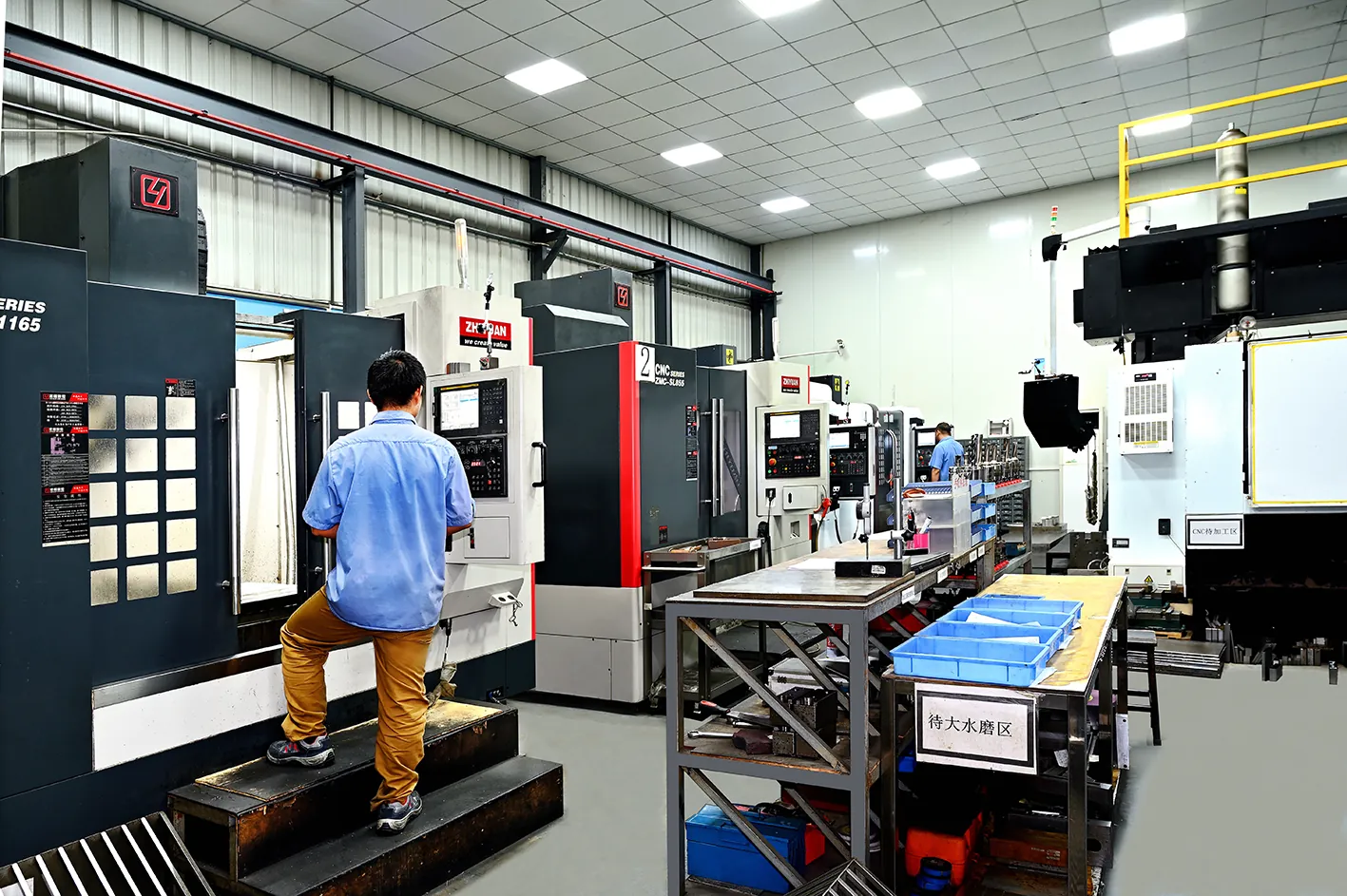
The table answers Q3 with the numbers behind it. Read the "best for" column against your volume, and the price column against your budget. When a quote lands far outside its bracket, ask which line explains the gap.
Lead Time: 4 Questions That Decide Your Schedule
Delivery dates slip for a reason, and the reason is usually locked in before the steel is cut. These four questions expose where the schedule really stands.
Q6. How long does mold making take?
DieStrike builds production molds in 2–5 weeks and ships standard components in 3–7 days. Typical industry lead times run 4–12 weeks for complex tools. The clock depends on design approval, steel availability, and free trial slots at your injection molder.
Ask for the date the clock starts. Some shops quote from order placement, others from design approval. The same "6-week mold" can arrive in six weeks or eight, depending on which calendar the quote uses.
Q7. What delays a mold?
Most delays are locked in before machining starts. Late DFM feedback, unresolved undercuts, and missing material specs all push the schedule. A two-week "revision" on the drawing usually adds three to four weeks to delivery. Lock the design and the material before you place the order.
Steel sourcing is the second delay. Hardened grades and exotic alloys are not always on the shelf. Ask the maker whether the steel is in stock before you commit to a date.
Q8. Can the mold be rushed?
Yes, within limits. Prototype molds can ship in two weeks with expedited machining and single shifts on the critical path. Rush fees are typical and scale with the shortcut: overtime on wire EDM or grinding does not come free. Ask which operations get expedited, not just for a date.
A rushed mold still needs a proper trial. Saving two weeks on machining and losing them on a failed T0 buys nothing. Keep the trial slot in the schedule when you compress the build.
Q9. Are standard mold parts available quickly?
Standard components , ejector pins, springs, sprue bushings , are stock items. DieStrike ships them in 3–7 days. Custom pins, slides, and inserts need machining time and extend the build. If your schedule is tight, ask the maker to lock standard parts early.
Replacement parts matter later too. A mold that uses standard components is faster and cheaper to repair than one built on custom hardware. That question pays off on the first broken ejector pin.
Quality and Standards: 5 Questions Before You Sign
Tolerance and certification are where quotes hide their differences. A mold that holds ±0.05 mm costs less than one that holds ±0.002 mm, and both can be called "precision". These five questions pin down what you are buying.
Q10. What tolerances can you hold?
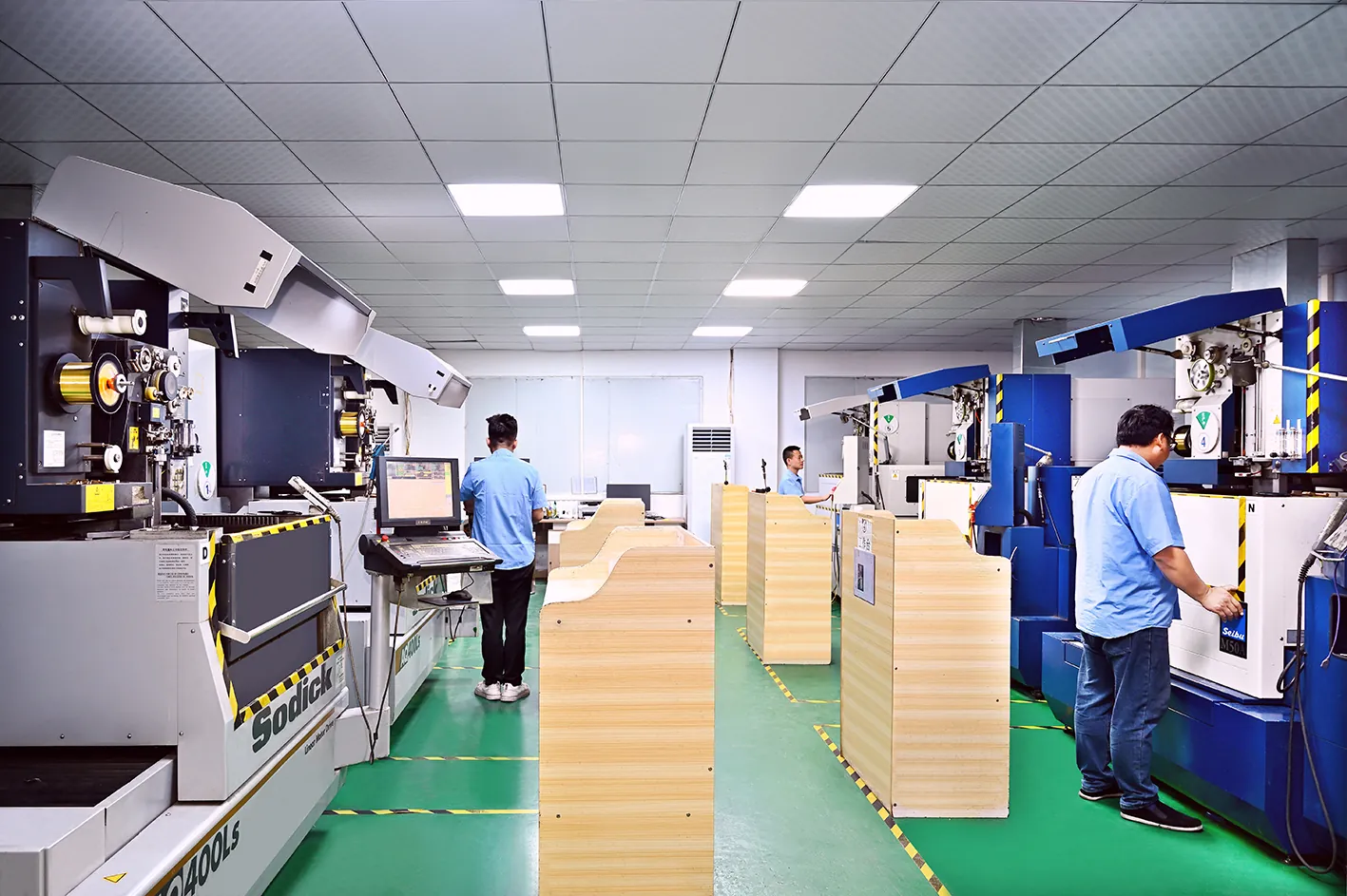
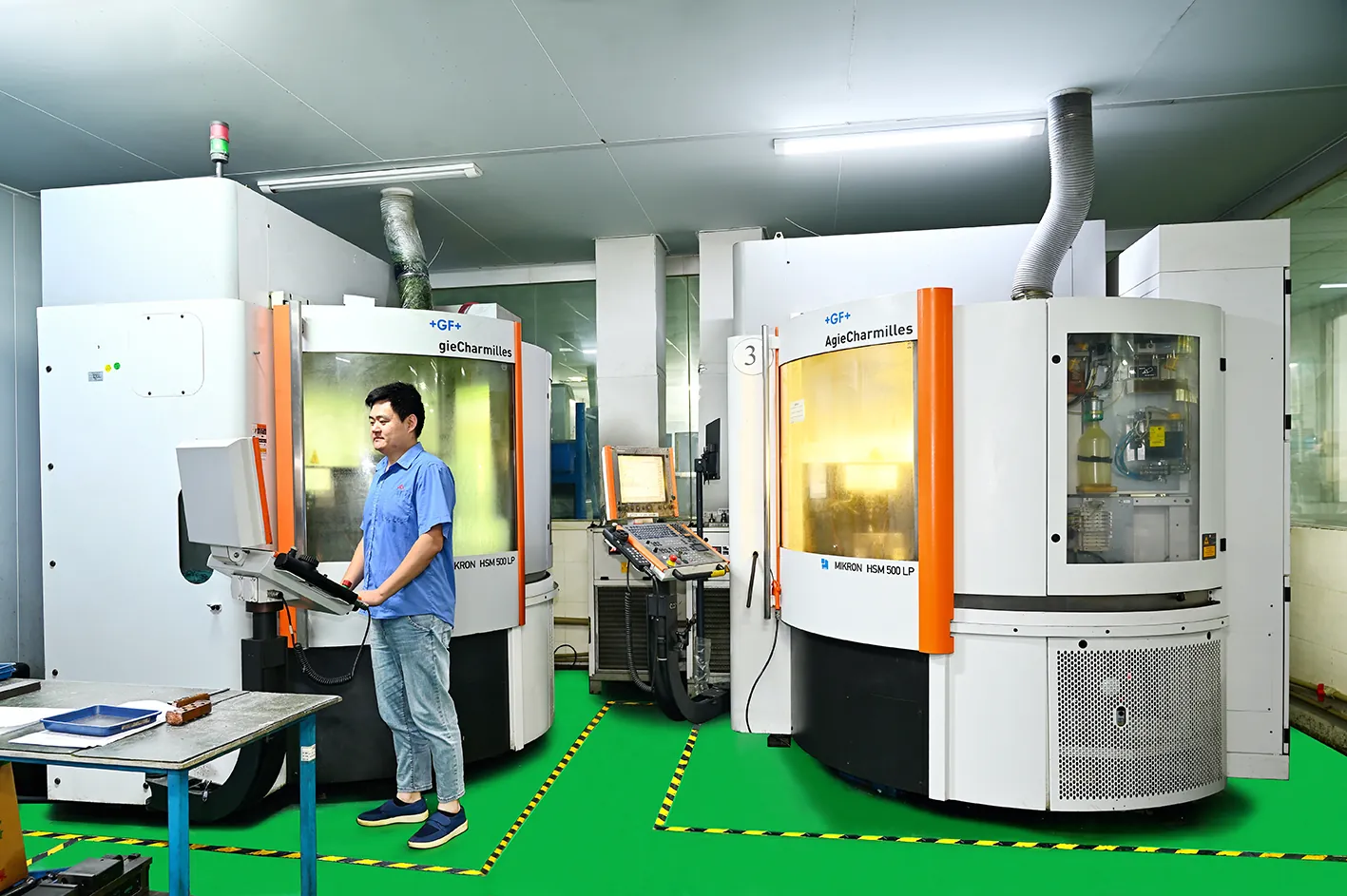
DieStrike holds ±0.005 mm as standard on mold dimensions and ±0.002 mm on critical features. Wire EDM and jig grinding carry the tight end. Ask which features are critical before quoting , every extra critical feature adds hours and price.
Put the tolerance class in the quote, not in the handshake. "Precision mold" means nothing without a number. ±0.005 mm standard and ±0.002 mm critical is a contract language you can check against the CMM report.
Q11. What certifications does the shop hold?
DieStrike is certified to IATF 16949 and ISO 9001. IATF 16949 matters when your parts feed automotive supply chains; it is the automotive quality standard layered on ISO 9001. Ask for the certificate number and scope , a "certified" claim without a scope is noise.
Certification is a process guarantee, not a part guarantee. It says the shop audits its own quality system. The part guarantee comes from the inspection reports on your mold, which is the next question.
Q12. Will you provide material certificates?
A production mold should ship with steel mill certificates naming the grade, heat number, and chemistry. Hardness reports confirm the heat treatment , typical hardened tooling lands around HRC 62 on wear surfaces. Keep the certificates with the mold file; they matter at repair and resale.
Ask for the certificate before the steel is cut, not after. A shop that sources its steel properly can name the mill and grade on day one. A shop that cannot is buying on the spot market, and you inherit the risk.
Q13. How is quality verified?
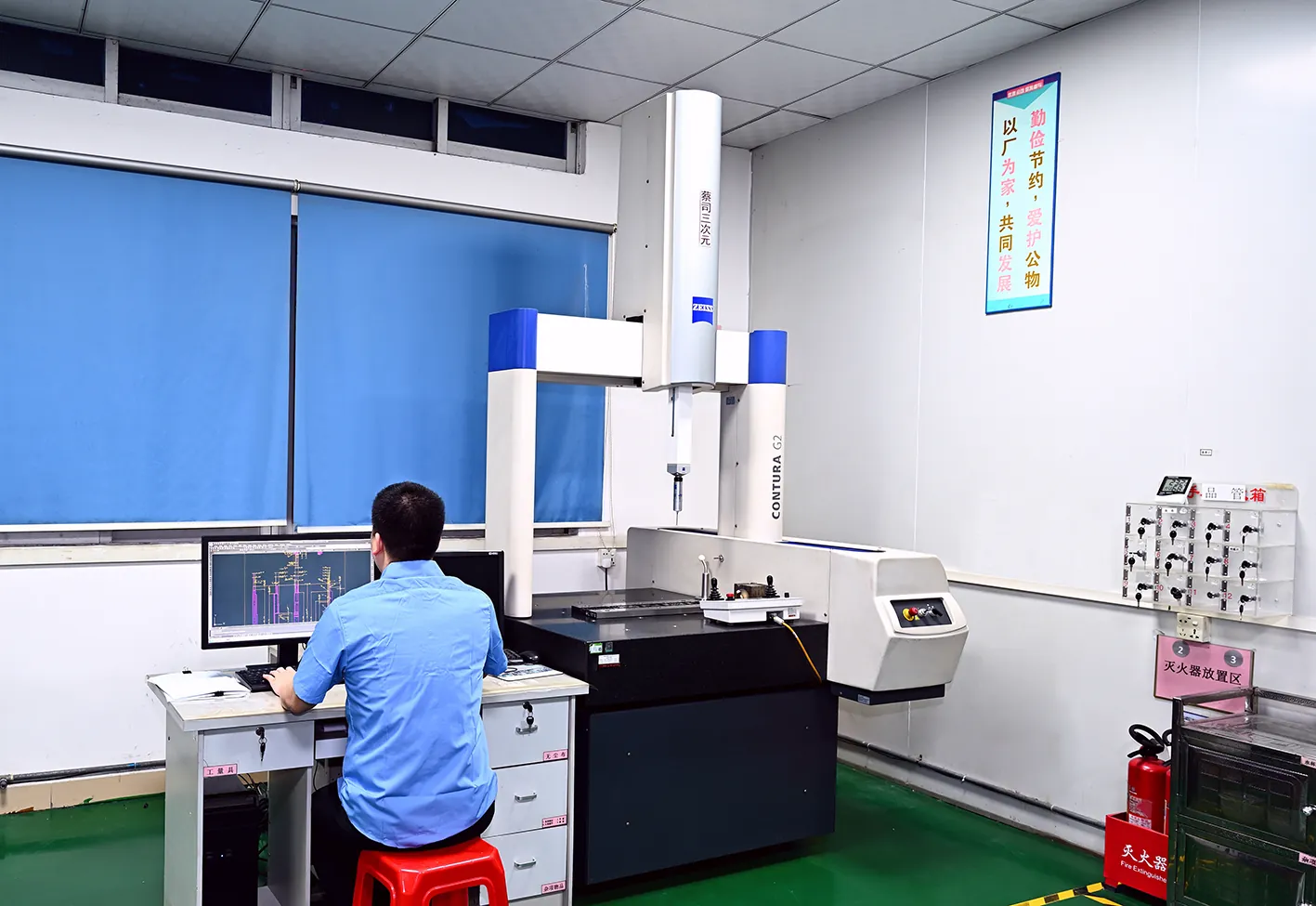
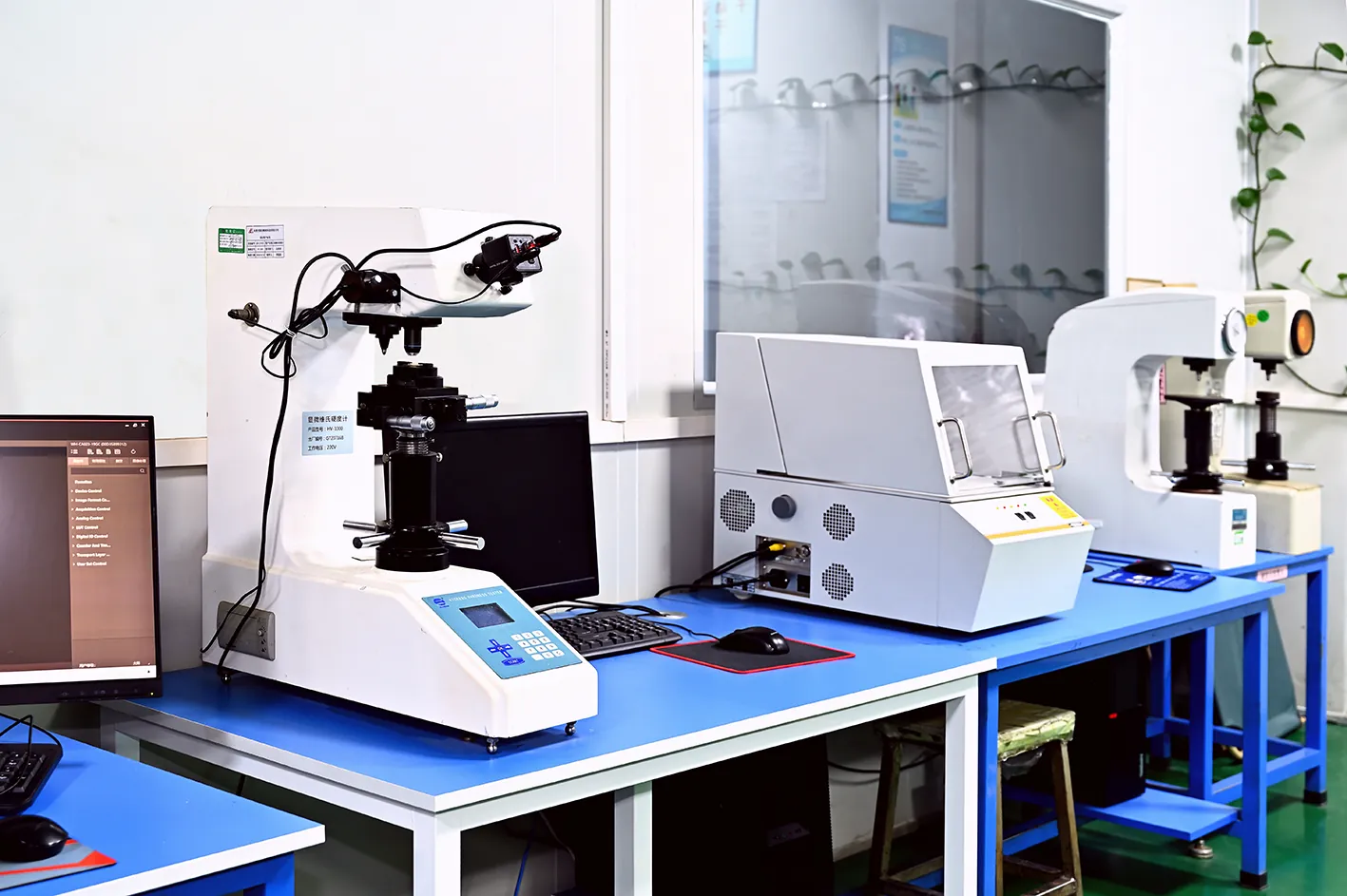
DieStrike verifies with CMM measurement, vision measuring systems, height gauges, and Vickers hardness testing on the floor. The CMM report is the evidence for the tolerance claim , ask for it with the trial parts, not after delivery. DieStrike's 120+ machines run under the same inspection discipline.
Ask which features get measured, not just which machine does the measuring. A report that checks ten critical dimensions is more honest than one that checks two. The drawing should name the criticals, and the report should cover them all.
Q14. What warranty comes with the mold?
Typical industry terms cover the mold for 12 months or a shot count, whichever comes first , often 300,000–500,000 shots. The warranty covers defects in workmanship, not wear, misuse, or resins that attack the steel. Get the warranty line in the quote, because "we stand behind our work" is not a term.
Read the exclusions carefully. Glass-filled resins wear cavities faster than unfilled ones, and corrosion from aggressive coolants is a real claim. A warranty that names its limits is a warranty you can use.
The Process: 4 Questions from DFM to Trial
The process between order and approval decides how many surprises you eat. These four questions cover the milestones every mold should pass.
Q15. Will you provide a DFM report?
A DFM (design for manufacturability) report reviews your part before steel is cut , draft angles, wall thickness, gate location, shrinkage compensation. DieStrike returns a DFM review within 24 hours of receiving the part file. The report is your earliest chance to fix a problem on screen instead of on steel.
A good DFM report tells you what to change, not just what it noticed. Expect recommendations with numbers: "increase draft from 0.5° to 1.0°", "move the gate to the thick wall". Each fix is cheaper at this stage than at trial.
Q16. How does the mold trial work?
Trials run in stages. T0 is the first shot of a new mold, T1 follows adjustments, and T2 confirms the corrected tool before sampling. At trial, the shop pulls 50–500 sample parts for dimensional and cosmetic review. A clean T1 is the sign of a well-built mold; a T0 that needs five rounds is not.
Ask how many trial rounds the quote covers. Some quotes include one round, some include two, and every round beyond that is a change order. The number belongs in the quote, not in the conversation.
Q17. How do I approve the samples?
Approval means three things: the dimensional report matches the drawing, the cosmetic finish matches the agreed standard, and the part runs in the target resin. Many programs require FAI (first article inspection) or PPAP documentation for production release. Ask which documents ship with the samples.
Sign off in writing. A verbal "looks good" on the phone becomes a dispute when the second batch shows the same defect the first one had. The approval email is your record, and it costs nothing.
Q18. What if I want changes after the trial?
Changes after trial become change orders. Small cosmetic fixes , polish marks, gate vestige , are typically quick and low cost. Structural changes , moving a gate, adding an ejector , cost real money because steel is already cut. Ask for the change order rate in the quote, not after the trial.
Not every trial note is a defect. Some are improvement ideas that should wait for the next mold. Sort the must-fix list from the nice-to-have list before you call the change order meeting.
Sourcing and Logistics: 4 Questions About Overseas Buying
Buying from a Chinese mold maker adds logistics to the decision. These four questions cover the commercial terms that turn a good mold into a smooth transaction.
Q19. What is the minimum order quantity?
DieStrike accepts a minimum order of one mold , MOQ 1. Volume still matters: the piece price drops as annual quantity rises, because the tooling amortizes over more parts. A 100,000-part program funds a different mold than a 1,000,000-part program.
MOQ applies to the mold, and it also applies to production parts later. Ask both questions together. A shop that quotes MOQ 1 on the mold but MOQ 50,000 on parts changes your whole sourcing plan.
Q20. What are the payment terms?
Typical terms split the payment: 30–50% deposit to start, balance before shipment. 50/50 and 30/70 splits are common. Payment triggers matter more than the split , the balance is due when the mold is done and approved, not when it leaves the dock. The RFQ guide covers how to put this in writing.
Ask what happens to the deposit if the mold fails trial. Standard practice credits the deposit toward a rebuild or refunds it on a total failure. A contract that skips that clause leaves the money wherever it falls.
Q21. How is the mold shipped?
Molds ship by sea freight, air freight, or courier. Sea freight is the cost baseline but adds weeks; air freight is fast and expensive. Wooden crates, rust protection, and lift points are part of proper export packing , confirm they are included in the freight quote.
Insure the shipment. A mold is a single, heavy, valuable item, and a rough sea voyage is the classic claim. Insurance is a small line on the invoice and the only protection against a total write-off in transit.
Q22. What customs documents do you provide?
Export shipping needs a commercial invoice, packing list, bill of lading, and certificate of origin. Injection molds fall under HS code 8480.71 for customs. Confirm the incoterm , FOB, EXW, or DDP , in writing, because it decides who pays for freight, insurance, and import duties.
Customs delays are usually paperwork delays. A commercial invoice that names the mold, the value, and the HS code correctly clears fast. One that says "machinery, value on request" sits at the border while your schedule burns.
Maintenance: 3 Questions About Mold Life
The mold you maintain for five years costs less than the mold you replace in two. These three questions cover the life of the tool after it lands on your floor.
Q23. How long does a mold last?
Typical production molds run 200,000–1,000,000 shots. The spread comes from steel and resin. Hardened tooling around HRC 62 outlasts pre-hardened P20. Glass-filled resins wear cavities faster than unfilled ones. Mold life is a design decision, not a lottery.
Ask the maker which component wears first. Usually it is the ejector pins or the gate inserts , both replaceable, both cheap compared to the base. A mold designed for replaceable wear parts has a longer practical life than one built to fail whole.
Q24. What maintenance does a mold need?
A preventive schedule keeps the shot count high. Standard practice: clean and lubricate slides and ejectors, check cooling channels, and inspect parting lines after every run. Most shops schedule a deep service every 50,000–100,000 shots (typical range). A maintenance log makes the mold's history visible.
Corrosion is the quiet killer. Cooling channels scale up, cavities rust on idle machines, and the first sign of trouble is a cosmetic defect nobody can explain. A monthly check catches it at $50 of cleaning instead of $5,000 of re-polish.
Q25. Do you repair molds?
Yes. Repairs cover broken ejector pins, worn cavities, corroded cooling lines, and damaged parting lines. DieStrike's repair service re-machines, re-polishes, and re-certifies tools. Repair is usually cheaper than a new mold , the question is whether the base is worth saving.
Ask for the repair cost versus replacement cost on the same call. A base with a cracked core is a write-off. A mold with worn gates is a Tuesday. The maker's honest answer to "is this worth saving" is worth more than any brochure.
Frequently Asked Questions
These eight questions are the ones buyers ask most often, with short answers. The full breakdown for each sits in the sections above.
Q1. How much does an injection mold cost?
Published ranges: $1,000–$10,000 for a prototype mold, $5,000–$30,000 for a single-cavity production mold, and $20,000–$150,000+ for multi-cavity tools. Cavity count and tolerance move the price most. See the mold cost section above for the full breakdown.
Q2. Why do mold quotes vary so much between suppliers?
Scope, not margin. One quote includes trial shots, CMM reports, and standard components; another quotes a bare mold base. Compare line by line , the article on reading a mold quote shows what each line should contain.
Q3. How long does it take to build a mold?
DieStrike production molds take 2–5 weeks; typical industry lead times run 4–12 weeks for complex tools. Standard components ship in 3–7 days. The schedule starts when the design and material are locked.
Q4. How long will the mold last?
Typical production molds run 200,000–1,000,000 shots. Hardened tooling around HRC 62 and unfilled resins extend life; glass-filled resins shorten it. Deep maintenance every 50,000–100,000 shots keeps the count high.
Q5. What tolerances can you hold?
±0.005 mm standard and ±0.002 mm on critical features. Wire EDM and jig grinding carry the tight end. Specify which features are critical in the RFQ so the quote reflects the real work.
Q6. Do you provide trial samples?
Yes , trials pull 50–500 sample parts for dimensional and cosmetic approval. T0 is the first shot, T1 follows adjustments, and T2 confirms the corrected tool. Samples ship with the CMM report.
Q7. What certifications should a mold maker hold?
IATF 16949 for automotive supply chains and ISO 9001 as the quality baseline. DieStrike holds both. Ask for the certificate number and scope before you sign.
Q8. What are the typical payment terms and MOQ?
DieStrike accepts MOQ 1 , one mold. Typical payment splits are 30–50% deposit with the balance before shipment. Confirm the split, the incoterm, and the change order rate in the quote.
The Bottom Line
Twenty-five questions sound like a lot. They take ten minutes with a good mold maker, and they turn a quote into a plan. Price, lead time, tolerance, certification, trial, payment, and maintenance , each answer is a number you can check against the final invoice.
Send the list with your RFQ, or read it out loud on the first call. When the answers add up, and the numbers match what later arrives, you have found a mold maker you can build a program on. When the tool is ready, the DieStrike mold trial and sampling service runs the T0-to-approval cycle on a schedule instead of a hope.
NEXT STEP
Ready to Start Your Mold?
Send us your element dimensions or part numbers — our team responds within 24 hours with pricing and lead time.

Written by
Ray ChanMold Buyer's Guide Author · Precision Mold Manufacturing Specialist. Ray helps global importers, distributors and OEMs source factory-direct molds and mold parts.