
How to Specify a Mold Warranty: Shots, Coverage, Exclusions
Table of Contents
A 12-cavity connector tool cracks a core at the 180,000th shot. The purchase order then turns out to carry twelve months of warranty written on the shipment date. The tool sat in your store for three months, so the clock read nine when the steel failed. Nobody agrees who pays, and you replace the insert against a depreciated credit of 50 percent of a 60,000 USD tool. A mold warranty fails on paper long before it fails in the shop, because the buyer signed a document nobody checked.
This article shows how to write the warranty so it holds. The route follows the paper trail: what a tooling warranty covers, which words exclude it, and which terms belong in the PO before quotes become comparable.
The Snapshot
- Injection tools are commonly warranted for 100,000 to 500,000 shots, or 12 to 24 months from T1 approval. Stamping dies are quoted 300,000 to 1,000,000+ strokes or 2 years, and die-cast tooling only 30,000 to 150,000 shots because heat checking eats H13 fast.
- Material decides whether the number holds. A tool quoted 500,000 shots on unfilled PP derates to roughly 150,000 on 30 percent glass-filled resin, and lower again on abrasive PVC compounds.
- Consumables sit outside the warranty by design. Ejector pins, lifters, springs and hot-runner tip seals are excluded; negotiate a spare-parts credit of 1 to 3 percent of the tool price instead.
- The clock should start at T1 or PPAP approval, not at shipment. Escrow holds 5 to 10 percent of the tool price against the warranty period, with a repair response in 48 to 72 hours.
Two Warranties Inside One Contract
Buyers sign one warranty and think they bought the other. The product-quality warranty and the tooling warranty cover different property, start on different dates and die on different evidence. Spell both out as separate clauses, or the supplier will hand you whichever one costs less when something breaks.
The product-quality warranty is tied to PPAP. It says every part shipped during the contract conforms to the released drawing, for the years written in the supply agreement. A dimensional escape in month 14 is a product-quality claim, and the remedy is sorting, containment and replacement parts. Nothing in that clause rebuilds your steel.
The tooling warranty is tied to the mold itself. It covers the cavity steel, the heat treatment and the dimensional stability of the tool. It is the clause that pays when a core cracks or an insert drifts out of print. A typical injection tool carries a 100,000 to 500,000 shot window or 12 to 24 months counted from T1 approval. A tool you own for five years should not ride on a twelve-month clock.
One clause covers the part, one covers the mold. If your PO has the word "warranty" once, check which one you actually bought.
What a Real Tooling Warranty Covers
A workable tooling warranty lists four failure modes and nothing softer than that. Each one is the kind of failure you can photograph, measure and date, which is exactly what a claim needs.
First, cavity and core steel cracking or collapse inside the stated shot life. A heat-checked die-cast insert that opens a crack at 40,000 shots against a quoted 100,000 is a warranty event. A surface that merely looks tired is not.
Second, heat-treat failure below spec hardness. If the drawing calls for through-hardened tool steel and a section reads 4 HRC under the specified minimum, the tool is defective whatever it does next. Hardness verification belongs in the acceptance data, because a claim without it is an argument.
Third, weld-repair-free surfaces inside the shot window. The warranty says the cavity runs its stated life without a weld repair. If the supplier patches a gate wash at 60,000 shots on a tool quoted to 300,000, the patch is a warranty claim, not maintenance.
Fourth, dimensional drift beyond the drawing tolerance that no approved regrind caused. A cavity wears a critical feature 0.1 mm past print inside the shot window. If the maintenance log shows only approved steel-safe regrind, that drift is the tool's failure. Polished textures and appearance live outside this list, because polish wear after 50,000 shots is natural wear. The warranty is on cracking and collapse, not on looks.
The Remedy Ladder: Repair, Remake, or Credit
Never let a warranty say "supplier will remedy the defect." That sentence gives the supplier every option and you none. Fix the remedy ladder in the PO, rung by rung, from cheapest to last resort.
Rung one: on-site repair. A tech flies to your plant, and the supplier pays labor and parts. This is the right answer for a leaking tip seal or a chipped slide edge, because the tool stays in production. A mold that leaves your floor sits idle, so travel time is downtime. A response inside 48 to 72 hours keeps that damage small.
Rung two: off-site refurbishment at supplier cost, including shipping both ways. The tool comes back to the builder, gets rehardened, re-coated or re-polished, and returns with a dimensional report. Shipping alone eats 2 to 4 weeks on an overseas tool, so the PO should say who carries the clock.
Rung three: insert remake. The failed cavity or core insert is rebuilt to the current frozen drawing, while the mold base stays in service. A single insert rebuild is routine work, and a shop with 120+ machines turns one far faster than a full tool.
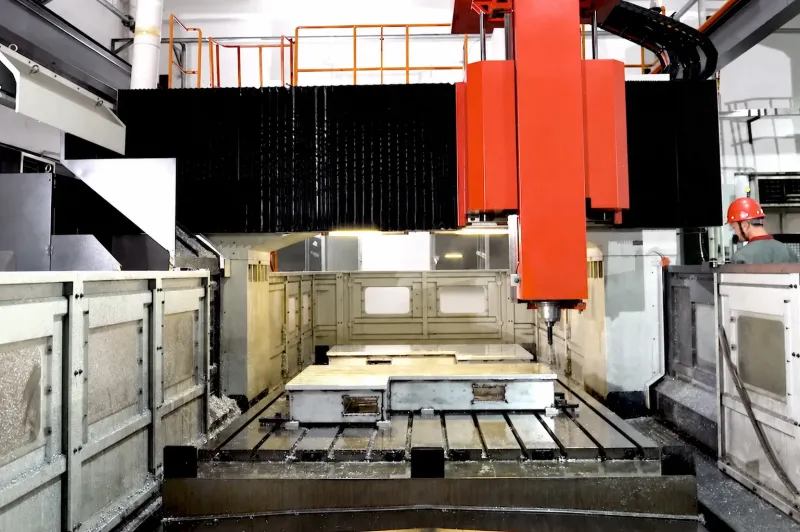
Rung four: full tool remake. The builder rebuilds the whole mold at its own cost. This is rare because it is expensive for both sides, and it needs a frozen drawing the supplier can still machine from years later.
Rung five, the last resort: credit against a replacement tool. The supplier contributes the depreciated value of the failed tool, commonly 80 percent inside year one, 50 percent in year two and 20 percent after that. If your PO has no ladder, you land on rung five by default, and it is the rung where the math hurts the buyer most.
What Shots Really Mean
Shot life is the number the whole warranty stands on, and it is the easiest number to write badly. "1,000,000 shot tool life" on a quote means nothing until you know the resin, the cavity count, the maintenance regime and which failure the count refers to.
Start with the honest ranges. Injection tools are commonly warranted for 100,000 to 500,000 shots, or 12 to 24 months from T1 approval. Stamping dies are quoted 300,000 to 1,000,000+ strokes, or 2 years, because a punch and die wears incrementally and regrinds back to life. Die-cast tooling runs only 30,000 to 150,000 shots in warranty, because aluminum and heat cycling attack the surface fast. The clause that treats those three tools alike is the clause that protects none of them.
| Tool type | Typical warranty life | Time limit | Dominant wear mode |
|---|---|---|---|
| Injection mold | 100,000 to 500,000 shots | 12 to 24 months from T1 | Abrasive filling, parting-line wear |
| Stamping die | 300,000 to 1,000,000+ strokes | 2 years | Edge wear, galling, cured by regrind |
| Die-cast tool | 30,000 to 150,000 shots | 12 months | Heat checking and soldering on H13 |
← swipe to scroll →
Table note: ranges are common industry warranty bands, not a promise any specific tool will hit them. Confirm your own tool's number from the material, tonnage and duty cycle in the RFQ package before the quote is frozen.
Then freeze the material behind the number. A tool quoted 500,000 shots on unfilled PP runs about 150,000 on 30 percent glass-filled resin, and less again on abrasive PVC compounds. Glass filaments act like fine sand against the cavity, and flame retardants and mineral fillers abrade in their own way. The shot life in the PO is only valid for the gate-frozen material grade, so name the grade, the supplier and the filler percentage in the clause. A resin substitution silently deletes your warranty before a single failed shot.
Ask which failure the count refers to. A builder quoting 500,000 shots may mean only that no weld repair is due. You hear that the prints stay in tolerance for the full window. Those are different promises with different steel behind them, one about cracking and the other about parting-line wear. Write the failure definition next to the number, and attach the hardness and surface spec the claim will be measured against.
Write the number per cavity, not per plant shift. A 12-cavity tool that cycles 800 times per hour makes 9,600 shots per hour on the mold and 115,200 part-shots across the cavities. If the PO says "1,000,000 parts," the supplier can count part-shots and you can count cycles, and the claim is over before it starts. State which one the warranty uses, and require the counter on the machine as the record.
Demand the warranty table before the RFQ closes, not after award. When every bidder quotes the same 300,000 shot window on the same frozen resin, the bids become comparable. When the warranty arrives attached to the award, it is a post-award negotiation you will lose.
The Exclusion List, Read Line by Line
Every warranty dies in its exclusions, and the exclusions come in four families. Read each line of the list before signing, because a single sentence can void a six-figure claim.
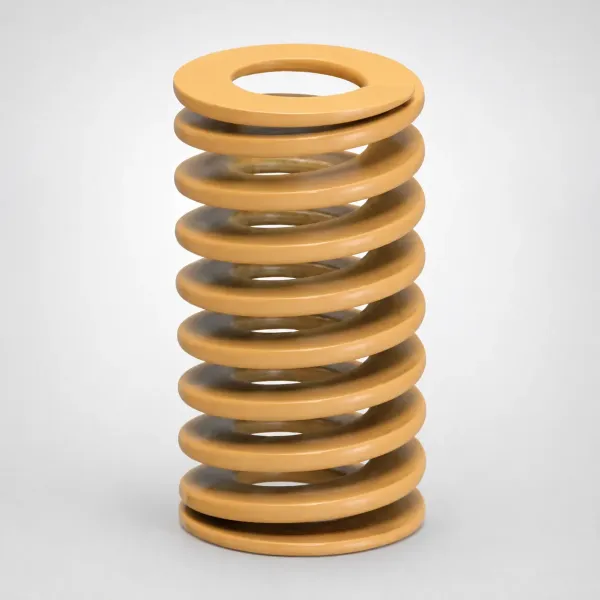
Family one: consumables. Ejector pins, lifters, return springs, hot-runner tip seals and thermocouples, and trim-die blades are excluded by design. They wear on purpose, and they are cheap to stock, so the right move is not to fight for them. Convert them into money: negotiate a spare-parts credit of 1 to 3 percent of the tool price, redeemable against consumables for 12 months. Build the matching stock list into handover, as the spare-parts inventory guide details.
Family two: misuse. The standard wording excludes above-rated tonnage, untreated cooling water that scales inserts, regrind above the agreed percentage, and prototype tools run at production speed. Each exclusion is fair on its own. The trap is that misuse gets defined loosely, covering everything the supplier does not want to pay for. So pin the numbers: rated tonnage in tonnes, regrind in percent by weight, and water quality in the treatment spec you both sign.
Family three: customer-driven changes. When you issue an engineering change, the steel-safe revision resets the shot clock at the change date. That is normal, and the supplier is entitled to it. Demand the reset rule in writing. State which features restart the clock, and confirm that cavities the change did not touch keep running on the original counter.
Family four: natural wear. Polish wear on textured surfaces after roughly 50,000 shots is not a defect. The warranty covers cracking and collapse, not appearance, so a clause promising a mirror finish at 300,000 shots is a marketing line. Decide at the PO stage which surfaces are Class A and how re-texturing is priced, before someone discovers the gap at year two.
Coverage Versus Exclusions in One Table
Use this table as the markup sheet when a supplier's warranty text comes back. Each row names the item, where it usually lands, and the number that decides it.
| Item | Where it lands | Number that decides it |
|---|---|---|
| Core or cavity cracking | Covered | Inside the quoted 100k to 500k shot window |
| Heat treat below spec hardness | Covered | Any reading under the drawing minimum HRC |
| Weld repair inside the window | Covered | Surfaces promised weld-repair-free to the shot cap |
| Ejector pins, lifters, springs | Excluded by design | Trade for a 1 to 3 percent spare-parts credit |
| Hot-runner seals and thermocouples | Excluded as consumables | Stock 12 months of spares at handover |
| Regrind above agreed percent | Excluded as misuse | Cap the agreed level, commonly under 25 to 30 percent |
| Scaled cooling water damage | Excluded as maintenance failure | Water treatment log is claim evidence |
| Steel-safe engineering change | Clock resets at change date | Untouched cavities keep the original counter |
| Polish wear on texture | Excluded as natural wear | Texture refresh priced separately after about 50k shots |
← swipe to scroll →
Table note: typical positions in first-draft supplier warranties. Read your own contract line by line, because one exclusion sentence can move any row.
The Shot Clock and When It Starts
Two clocks run on every warranty: months and shots. The clause that survives production says both must expire, written as "100,000 shots or 12 months, whichever comes first," with the shot figure dominating for low-volume tools. A part running 4 hours a week never reaches 100,000 shots, so the months clause is the real term and it needs to be long enough.
Set the start date at T1 or PPAP approval, never at shipment. A tool shipped on January 5 and approved on April 20 has spent 3.5 months of its clock in your receiving queue, waiting on press availability. If the supplier insists the clock starts at shipment, demand that storage months are deducted, or buy the extension outright in the negotiation. The approval-date rule is what the mold trial guide builds toward: T1 sign-off is the documented moment the tool becomes yours to count from.
Pause rules belong in the clause as well. A tool stored for more than 6 months between programs should stop both clocks, provided your lay-up follows the storage spec the supplier signs off. Without a pause rule, an end-of-program tool that returns for a 2-year re-run arrives with 18 of its 24 warranty months already spent.
Records Keep the Warranty Alive
A warranty claim is a paperwork event that happens to involve steel. The supplier's first question is never "what cracked" but "show me the log." Without records there is no claim, however obvious the defect looks on the bench.
Maintain a shared tool log with four columns: shots per month, cleaning cadence, repairs performed, and process changes. The shot count comes from the machine counter, not from a forecast. The cleaning record proves the deposit history. The repair record separates warranty failures from wear you accepted, and the process-change record defends you against the misuse exclusion.
A tool card that carries all four columns is the difference between a 48-hour approved claim and a six-month argument.
Define the claim trigger before you need it. Working wording runs: tool-attributable reject rate above 2 percent sustained over 5 production days. A joint process audit must clear machine, material and parameter first. Written notice goes out inside 10 business days. Every element carries a number, because "excessive failures" is not a trigger, it is an invitation.
Document before you disassemble. Photograph the crack in place on the tool card, tag it with the shot counter reading, and correlate the failed parts' serial numbers with the shift log. A repair performed before the evidence is captured converts a warranty event into your invoice. The acceptance data from the mold acceptance checklist is the baseline those measurements compare against, so file it with the log, not in a drawer.
Keep one copy of the log outside your own servers. A shared spreadsheet the supplier can read, refreshed monthly, converts a claim review into a five-minute check of agreed numbers. Suppliers who refuse the shared log are telling you something about how the next claim will go, and that signal costs nothing to read before award.
Enforcement Across an Ocean
A warranty across an ocean is worthless without teeth. The document is only as strong as the mechanism that makes a foreign supplier care, and that mechanism is money held back, not language signed.
Escrow 5 to 10 percent of the tool price against the warranty period. Balance terms already give you the structure. A typical 30/40/30 split puts the final payment, plus a withheld 5 to 10 percent, inside the warranty window. Alternative teeth are a parent-company guarantee letter, or the warranty held by the program contract rather than the factory that built the tool. Any of the three changes the supplier's math when the claim arrives.
Put a repair SLA in writing. The overseas ladder should read: technical response in 48 to 72 hours, parts or a loaner insert set in 2 to 4 weeks. Freight runs prepaid both ways for warranty work. Loaner inserts matter for A-priority tools: a spare cavity set on your shelf turns a 6-week outage into a 4-hour change. When warranty work needs a local shop, the mold repair and maintenance service rebuilds refurbish scopes, hardness checks and dimensional reports to print.
The Negotiation Playbook
Suppliers accept shot-based warranties when they control the maintenance, and resist them when you run the tool wrong. That sentence explains most warranty negotiations, and it shows what to trade. Offer a bundled service plan, and the shot window lengthens. The builder can then see the water treatment, cleaning cadence and clamp discipline that protect its steel.
Bring four positions to the table. First, price: warranty scope moves cost, and a 500,000 shot window on a tool quoted 40,000 USD is a real engineering commitment, not a free sentence. Second, information: agree the shared log format before award, so both sides count the same shots.
Third, remedy: insist on the five-rung ladder, with insert remake priced and pre-agreed. Fourth, money: tie 5 to 10 percent of the price to the warranty window. The mold pricing negotiation guide covers how warranty terms trade against the deposit and balance schedule.
For programs above 1,000,000 shots, ask for a rebuilt-at-half-life clause with the rebuild price fixed in the PO. The tool gets a planned refurbish at roughly 500,000 shots, rehardened and re-coated, and the shot clock resets on the rebuilt inserts at a known price. That converts a warranty argument at year four into a scheduled maintenance order at year two.
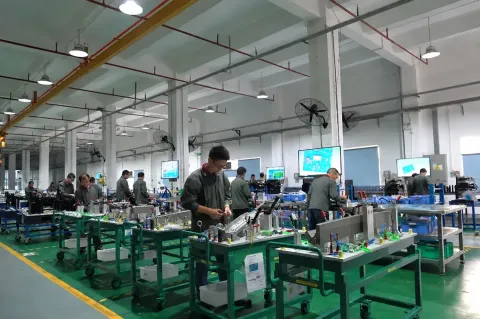
Test the paper before you sign it. An on-site supplier audit of equipment and heat-treat control tells you whether the shot numbers mean anything. A shop with 120+ machines, EDM and jig-grinding held to 0.002 mm tolerance and heat treatment to HRC 62 max can engineer to a 300,000 shot window. A job-shop broker who subcontracts the steel out has sold you a sentence.
Warranty Terms Checklist for the PO
Run this list against the purchase order text before signature. Every line carries the number that makes it enforceable.
- Shot life per cavity in the PO. State the window (for example 300,000 shots), the frozen material grade, and whether the counter reads mold cycles or part-shots.
- Start date at T1 or PPAP approval. Not shipment, with storage months deducted and a pause rule after 6 months of lay-up.
- Coverage list of four. Cracking or collapse, below-spec hardness, weld-repair-free surfaces, dimensional drift not caused by approved regrind.
- Remedy ladder of five rungs. On-site repair, off-site refurbish at supplier cost, insert remake, full remake, depreciated credit at 80/50/20 percent by age.
- Exclusions pinned to numbers. Tonnage limit, regrind cap, water treatment spec, prototype-tool speed limit; consumables traded for a 1 to 3 percent spare-parts credit.
- Claim trigger written as a formula. Reject rate above 2 percent over 5 production days after a joint process audit, notice inside 10 business days.
- Teeth in the money. 5 to 10 percent escrow against the window, 48 to 72 hour response, 2 to 4 week parts, loaner inserts for A tools.
- Rebuild clause for long programs. Fixed rebuild price at half-life for anything quoted above 1,000,000 shots.
A PO that carries all eight lines can be enforced without re-negotiating anything after the failure. A PO that carries none of them hands the supplier the drafting pen on every future argument.
The Bottom Line
A mold warranty is four documents in one sentence. It needs the two warranties separated and a coverage list of four failure modes. It needs the exclusion families read line by line, plus a money mechanism that enforces all of it.
Injection tools live in a 100,000 to 500,000 shot window counted from T1 approval. Stamping dies run 300,000 to 1,000,000+ strokes, die-cast tooling 30,000 to 150,000 shots. Material derates every number, so the PO names the frozen grade or the warranty is fiction.
Keep the claim alive with the log: shots per month, cleaning cadence, repairs and process changes, photographed before anything is disassembled. Hold 5 to 10 percent of the price against the warranty window. Demand a 48 to 72 hour response and 2 to 4 week parts. Buy consumables coverage as a 1 to 3 percent spare-parts credit instead of fighting an exclusion nobody removes.
DieStrike builds precision injection molds, stamping dies and die-casting tooling to IATF 16949 at a standard mold tolerance of 0.005 mm. EDM and jig grinding hold 0.002 mm, and heat treatment reaches HRC 62 max. Tool lead times run 2 to 5 weeks across 120+ machines, and standard components ship in 3 to 7 days. The handover package carries the acceptance data your warranty log needs, with tier-1 references at TE, Amphenol, Luxshare and Dongshan. Send the target shot count, the frozen material and the maintenance plan with your RFQ, and the warranty table comes back comparable before award.
KEEP READING
Related Reading
How to Build a Mold Acceptance Checklist Before You Pay the Balance
The five numeric gates that control your balance payment before the tool ships.
Read articleArticleHow to Audit a Mold Supplier: On-Site Checklist
The shop audit that proves whether a supplier can honor a shot-life clause.
Read articleArticleHow to Run a Mold Trial: T0, T1, T2 and First Article Approval
The trial record that starts your warranty clock and freezes the shot baseline.
Read articleServiceMold Repair and Maintenance
IATF 16949 repair and refurbish work with 2 to 5 week rebuild lead times.
Read articleNEXT STEP
Ready to Start Your Mold?
Send us your element dimensions or part numbers — our team responds within 24 hours with pricing and lead time.

Written by
Ray ChanMold Buyer's Guide Author · Precision Mold Manufacturing Specialist. Ray helps global importers, distributors and OEMs source factory-direct molds and mold parts.