
How to Negotiate Mold Pricing and Payment Terms
Table of Contents
A purchasing manager squeezed 18% off a mold quote by pushing the supplier on price alone. The supplier accepted in one day. What changed quietly: the cavity steel dropped from H13 hardened to HRC 62 down to pre-hardened P20 at HRC 30-33, and the promised 1 million shot life became roughly 100,000 shots. The mold started flashing and dimensional drift appeared at shot 80,000. Rebuilding the cavity cost more than the 18% saved, and the line stopped for 3 weeks. Price negotiation on molds is not a pure commercial game. Every dollar removed has to come out of steel, heat treatment, machining hours or verification. Buyers who understand where the money sits negotiate better terms without buying a failure.
The Snapshot
- Typical milestone payment structure: 30% deposit, 40% at steel completion or first trial, 30% after T1 sample approval.
- Holding back 10-20% of the mold price until trial buy-off is the strongest quality lever a buyer has.
- Tool ownership needs 3 things in writing: paid-in-full invoice, an ownership clause and released 2D/3D data.
- Expedite fees typically add 10-30% to a mold price to compress 1-2 weeks of lead time.
- A quote more than 15% below three others usually means cheaper steel or skipped heat treatment, not lower overhead.
Why the Cheapest Quote Cuts Steel First
A mold price is roughly 60% material, machining and heat treatment. Those three blocks are the easiest for a supplier to thin out when a buyer forces the number down. Steel alone runs 15-25% of a typical injection mold cost. Swapping H13 for P20 can cut the steel bill by 30-50%, and skipping proper vacuum hardening saves another 5-8%. The buyer sees none of this in the final parts until months later.
The physical consequence is measurable. Through-hardened H13 cavities heat treated to HRC 62 resist abrasive wear from glass-filled resins and hold polish for 500,000 to 1 million shots. Pre-hardened P20 at HRC 30-33 wears at roughly one fifth of that life under the same duty. Parting lines start to flash when wear opens shut-off faces beyond 0.02-0.03 mm. Ejector pin holes elongate and cores drift out of ±0.005 mm tolerance windows.
Heat treatment is the second silent casualty. A proper quench and double temper cycle takes 2-4 days at soak temperatures near 1,000 °C for H13. Rushed or skipped tempering leaves residual stress that shows up as EDM cracking or dimensional movement after 10,000 cycles. None of this appears on a quotation. If a supplier cuts price without changing scope on paper, assume something in the steel or heat treatment line moved.
The defense is contractual, not verbal. Name the steel grade, the hardness requirement such as HRC 62 on cavity surfaces, and the tolerance class in the purchase order. Ask for the material certificate and heat treatment record at delivery. Our guide on how to specify heat treatment for mold steel covers the exact callouts to write into a contract.
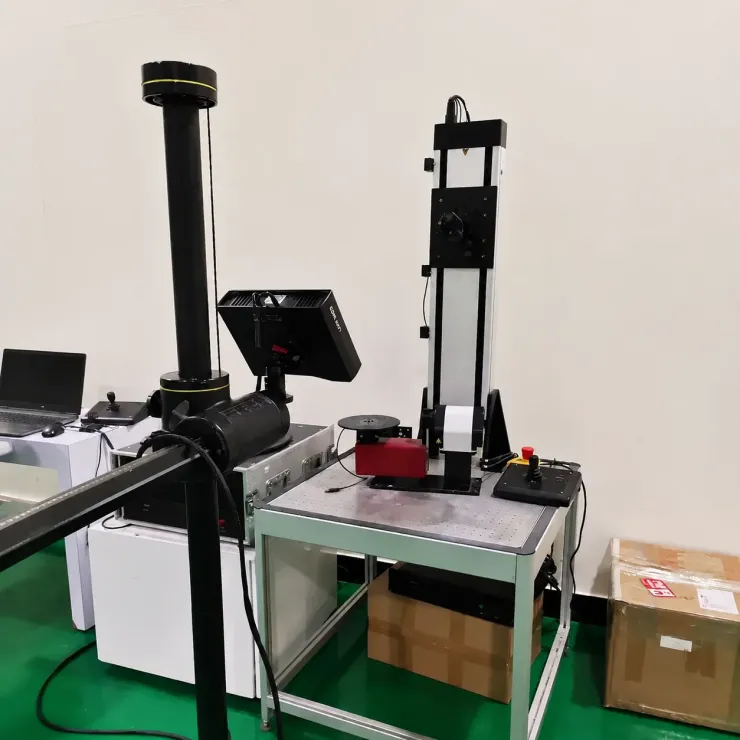
How a Mold Price Is Built: 6 Cost Blocks
Negotiate effectively means knowing what each dollar buys. A precision injection mold quotation splits into six typical blocks, and each one has a different negotiability.
1. Steel material: 15-25%. Cavity, core, slides and mold base steel. Grade choice tracks shot volume: P20 for under 100,000 shots, 718H for 300,000-500,000, H13 or S136 for 1 million plus. This block is negotiable only by matching grade to real volume, not by forcing it down.
2. Machining: 30-40%. CNC milling, wire EDM, sinker EDM and grinding hours. A shop with 120+ machines spreads fixed cost better than a 20-machine shop, which is part of why quotes differ by 20-40% between suppliers for the same drawing.
3. Heat treatment and surface: 5-10%. Hardening, tempering, nitriding or PVD coating. Never negotiate this block down. It is the smallest block with the largest effect on mold life.
4. Standard components: 10-20%. Mold base, ejector pins, guide pins, springs, sprue bushings and hot runner systems. Off-the-shelf DME or HASCO standard parts are 20-40% cheaper than custom-made equivalents and ship in 3-7 days. This is a legitimate saving.
5. Design and engineering: 5-10%. Mold flow analysis, DFM feedback and 2D/3D data. Cutting this block produces expensive surprises at trial. A 24-hour DFM turnaround is a normal professional expectation.
6. Trial, packaging and margin: 5-15%. T0-T1 trials, sample reports and overhead. Margin is the only truly commercial block, and healthy shops defend 10-15% of it because it funds the warranty they are about to give you.
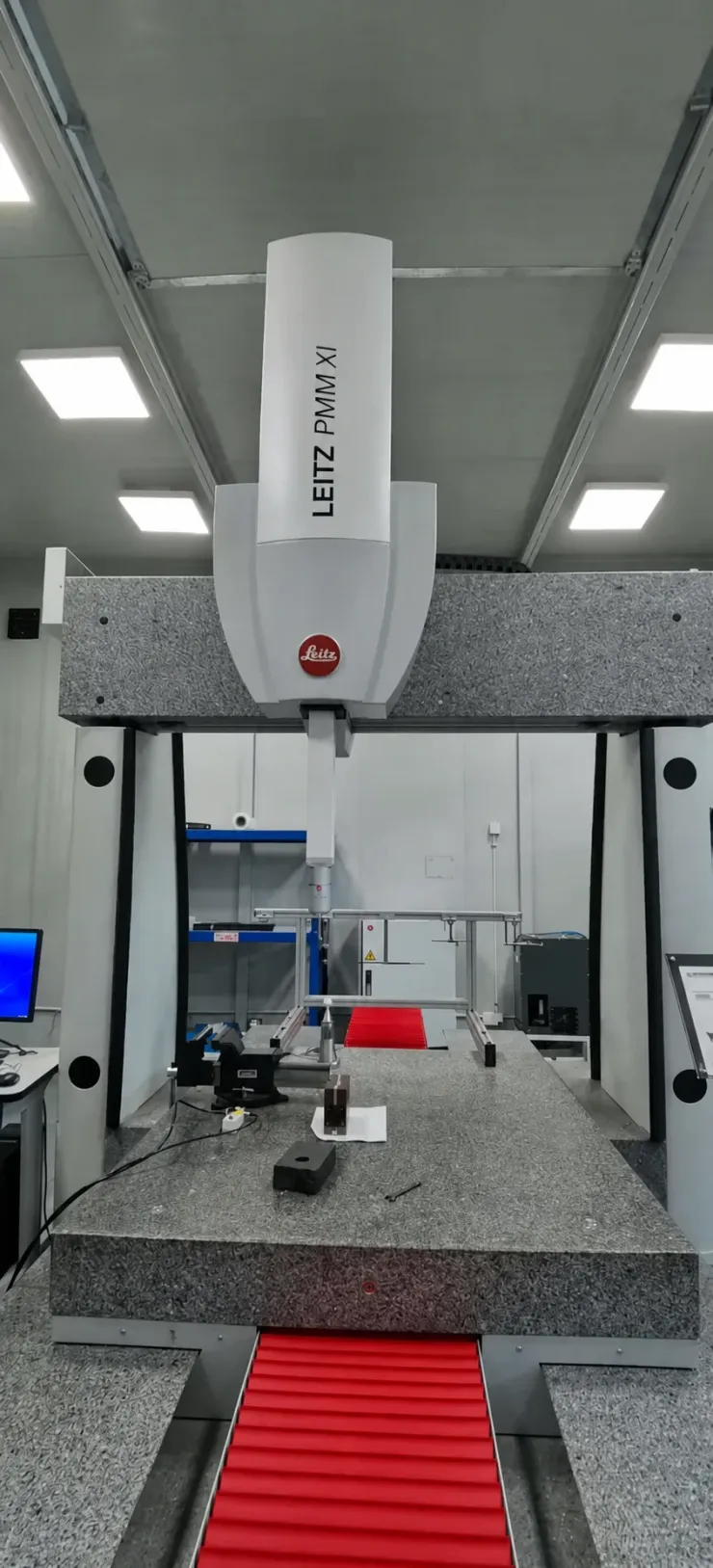
Milestone Payments: The 30/40/30 Standard
The payment schedule is where most of the real negotiation happens. The industry-standard mold payment structure is three milestones: 30% deposit at purchase order, 40% when steel is ordered and rough machining starts, and 30% after successful mold trial and sample approval. Variations exist, and each shifts risk between buyer and supplier.
Define each milestone with a verifiable event, never with a date alone. "40% at steel completion" should mean the supplier sends a CMM dimensional report of the cavity and core plus photos of the fitted mold. "30% after trial" should mean first article samples with a dimensional report against your drawing. Vague milestones turn into disputes when a mold sits at 90% for two months.
Deposits above 40% transfer real risk to the buyer. If a shop demands 50% upfront plus 50% before shipment, with nothing held back after trial, the buyer loses all commercial leverage at the exact moment defects surface. Suppliers confident in their process accept 10-30% retention until trial buy-off without argument.
| Structure | Typical Split | Buyer Risk | When It Appears |
|---|---|---|---|
| 30/40/30 milestone | 30% PO, 40% steel done, 30% after T1 | Low, standard for $20k-$150k molds | Default at established shops |
| 50/50 | 50% PO, 50% before shipment | Medium, no post-trial retention | Small molds under $15k, repeat buyers |
| 30/30/30/10 | 30% PO, 30% steel, 30% T1, 10% after 30-day production | Lowest, 10% retention after mass production start | Large molds over $150k, automotive PPAP jobs |
| 100% upfront | Full payment at PO | Highest, avoid unless escrow-backed | Soft tooling, prototype molds under $8k |
← swipe to scroll →
Table note: splits are typical industry figures for offshore and domestic mold orders; exact terms vary by mold size and supplier policy.
For a first order with a new supplier, 30/40/30 with the final 30% released only after sample approval is the sane baseline. For molds above $150,000, negotiate a fourth retention of 5-10% released 30 days after mass production starts. That retention covers early wear, flash and dimensional drift that never show up at T1.

Tying the Final Payment to Mold Trial Approval
The final payment should buy you something specific: a mold that passes a defined trial, not a mold that exists. Write the acceptance criteria into the purchase order before steel is cut. Four criteria cover most disputes.
Dimensional acceptance. All critical dimensions within drawing tolerance, verified by CMM report on 5-10 consecutive shots. For precision connector molds that means features held to ±0.005 mm on mold dimensions and ±0.02 mm or better on molded parts, depending on resin shrinkage.
Visual acceptance. No short shots, sink marks, flash beyond 0.03 mm, burn marks or weld lines in cosmetic zones, judged against approved boundary samples.
Process acceptance. The mold runs at the quoted cycle time, for example 25-35 seconds for a typical housing, for 100-300 consecutive shots without sticking, galling or ejection problems.
Documentation acceptance. Steel certificate, heat treatment record, dimensional report and 2D/3D data delivered before the retention is released. Missing paperwork is grounds to hold payment, because it blocks your future maintenance and any mold transfer.
Set a clock on both sides. The supplier gets 2-4 weeks from T1 to correct issues through T2 at their own cost. The buyer commits to releasing payment within 7-15 days after signed sample approval. A retention without a release deadline is not a negotiating win, it is a lawsuit waiting to happen. Our guide on running a mold trial from T0 to first article approval details what a proper trial record looks like.
Tool Ownership: 5 Clauses That Decide Who Owns the Mold
Tool ownership is the most contested commercial term in mold procurement. The buyer paid for it, yet thousands of molds stay effectively hostage in supplier factories every year because the paperwork was never finished. Five clauses decide who really controls the asset.
Clause 1: explicit ownership statement. One sentence is enough: the mold, including inserts, electrodes and spare components, is the exclusive property of the buyer upon full payment. Without it, some jurisdictions treat a tool built and stored by the supplier as supplier equipment. Cost to add: zero. Value if you ever switch suppliers: the entire mold.
Clause 2: data release. Final 2D drawings and 3D models, including STEP and native CAD files, delivered at retention release. Shops often release only a PDF. Native data is what allows any other mold maker to repair or relocate the tool. If a supplier refuses 3D data release, treat that as a red flag equal to refusing an ownership clause.
Clause 3: storage and access rights. If the mold stays at the supplier for production, the contract should state storage conditions, insurance responsibility and your right to inspect or collect the tool on 7-30 days written notice. A collection right without a notice trap is what makes ownership real.
Clause 4: no-lien confirmation. The supplier confirms the mold is free of liens and was not financed against. This protects you if the supplier's bank ever claims assets. It is one sentence and almost never refused by healthy companies.
Clause 5: identification and marking. The mold carries your asset number on a nameplate, and the contract requires photos of the marked tool before shipment. Marking plus documentation turns ownership from a legal argument into a physical fact.
These clauses matter most when the relationship ends. Moving a mold to a new plant is already hard enough; doing it without released data and clear title adds weeks and legal cost. Our guide on reading a mold quote line by line shows where ownership and data-release commitments normally hide in commercial documents, so you can catch the gaps before signature, not after.
Warranty and Spare Parts Terms Worth Negotiating
A mold warranty is worth what its trigger conditions say, not what its headline says. The standard market term is 12 months from delivery or 100,000 shots, whichever comes first, on workmanship and materials. Negotiate the details inside that frame.
Define what is covered. Steel cracking under normal molding conditions, hardness below the specified HRC, dimensional drift outside tolerance and weld repair failures should be covered. Exclusions the supplier will name: corrosion from poor storage, damage from wrong processing parameters and normal wear parts. Get the exclusion list in writing. An open-ended "misuse" exclusion swallows the whole warranty.
Define response time. A warranty without a clock is decoration. Typical professional terms: acknowledgment within 24-48 hours, on-site or remote diagnosis within 5 working days, repair or replacement plan within 10 working days. For IATF 16949 certified automotive suppliers, traceability of the repair is part of the obligation.
Define who pays freight. For a 2-8 ton mold, shipping a warranty repair across an ocean costs $1,500-$5,000 per leg. Agree upfront that warranty-related freight is supplier-paid or that repair happens locally with supplier-funded parts.
Spare parts pricing belongs in the same negotiation. Wearing components such as ejector pins, core pins, springs and guide bushings should be quoted as a spare parts kit at purchase, typically 3-8% of mold value, with a fixed price list valid 24-36 months. Standard components ship in 3-7 days from stock. Custom inserts take 2-5 weeks. Knowing that lead time gap is why you buy the kit on day one, at the negotiated price, instead of under production pressure two years later.
Expedite Fees: What Rush Really Costs
A typical injection mold takes 2-5 weeks for fast tooling classes and 6-12 weeks for complex multi-cavity production tools. When a program needs steel sooner, suppliers quote an expedite fee, normally 10-30% of mold price. Understand what you are actually buying before you pay it.
Rush charges fund three things: overtime at 1.5-2x labor rates, machine queue jumping that displaces other jobs, and express freight for steel and standard parts. A 20% expedite fee on a $60,000 mold buys back roughly 1-2 weeks. That math is defensible when a launch delay costs more per week than the fee.
The trap is compressing the wrong phase. Machining hours can be shortened with overtime. Heat treatment cycles cannot, and neither can steel delivery for special grades. A shop that promises H13 hardened cavities in 2 weeks total is either holding rare stock or skipping the tempering cycle. Ask which operations get compressed and demand the heat treatment record anyway.
Negotiate the fee as a refundable incentive instead. A workable structure: buyer pays 15% expedite premium, and 10 of the 15 points are credited back if the mold passes T1 on the original promised date. The supplier keeps real motivation and the buyer stops paying for delay. The mold making lead time guide shows which phases can actually be compressed by mold type.
Currency, Escalation and Validity Clauses
Cross-border mold deals fail on currency more often than on quality. A $80,000 mold quoted in USD and paid 4 months later after a 5% RMB appreciation erases the supplier's entire margin, and the buyer discovers it as "unavoidable extra charges." Three clauses prevent this.
Currency and payment route. State the invoicing currency and the payment channel, T/T, LC at sight or trade platform. For orders above $100,000, a letter of credit splits bank risk away from both parties at 0.5-1.5% of value in fees. Fix the currency at quote stage and treat FX swings as the supplier's problem for fixed-price contracts under 90 days.
Raw material escalation. Legitimate contracts tie escalation to a published index, for example steel mill list prices, with a deadband: no adjustment under 5% movement, documented adjustment above it, capped at 10-15%. A clause allowing "adjustment if material cost rises" with no index, no deadband and no cap is a blank check.
Quote validity. Standard validity is 30-60 days for mold quotes because steel prices move. If your internal approval takes 90 days, ask for validity extension in writing at quote stage. It usually costs nothing early and everything late.
Price increase requests mid-project deserve a specific response. Ask for the cost breakdown: which block moved, by what index, since what date. A supplier who cannot show a steel purchase invoice with a date and grade is not escalating, they are repricing. Comparable line items across three quotes make honest suppliers easy to spot, a discipline we cover in our quoting guides.
7 Negotiation Levers That Do Not Cut Quality
The mistake amateurs make is negotiating on price only. Experienced buyers negotiate on scope, timing and structure, where real value exists without touching steel or heat treatment. Seven levers work in practice.
Lever 1: design for standard components. Ask the supplier to quote with standard mold base and standard ejector, guide and sprue components instead of fully custom ones. Standard parts run 20-40% cheaper and cut 3-7 days off procurement. Nothing in the molding quality changes. This single scope decision often beats a week of haggling.
Lever 2: reduce cavity count for the first phase. A 4-cavity mold costs roughly 1.6-1.8x a 2-cavity mold, not 2x, because base, slides and cooling are shared. Start with 2 cavities to validate the part, then add a 2-cavity insert block later. You defer 30-40% of capital until demand is proven.
Lever 3: simplify parting lines and side actions. Every slide or lifter adds $2,000-$6,000 and 1-2 weeks. A 30-minute DFM conversation that converts one slide into a shut-off angle saves more than any discount demand. Ask for DFM feedback within 24 hours of sending data; professional shops do this routinely.
Lever 4: bundle orders. Two or three molds in one purchase order share design time, setup and shipping. A 5-12% bundle discount is normal and costs the supplier little.
Lever 5: relax non-critical tolerances. Holding ±0.002 mm geometry everywhere requires slow grinding and extra EDM passes. If only 5 features of 80 need ±0.002 mm and the rest hold ±0.005 mm, machining hours drop 10-20% with zero functional impact. Mark critical features on the drawing explicitly.
Lever 6: pay faster for a discount. A 2-3% discount for payment on delivery instead of net-30 costs you nothing if the mold passed trial. Cash terms are the cleanest win-win in the whole negotiation.
Lever 7: commit to the spare parts kit. Ordering the wear-parts kit, worth 3-8% of mold value, at purchase gives the supplier committed revenue and gives you fixed spare pricing for 24-36 months. Trade the commitment for the price list.
Red Flags in a Mold Contract
Some contract terms predict failure before a single chip is cut. Treat these five patterns as deal-stoppers or at least as written-risk acknowledgments.
Red flag 1: a quote 15%+ below three others with identical scope. The cost blocks in this industry vary maybe 20-30% between efficient and inefficient shops. A 40% gap means missing scope: no heat treatment record, cheaper steel, no trial shots budgeted. Ask the low bidder to name the steel grade and hardness in writing. Watch how fast the quote rises.
Red flag 2: 100% payment before trial with no retention. This structure removes every incentive for the supplier to fix T1 problems quickly. Only accept it for throwaway prototype tooling under $8,000.
Red flag 3: refusal to release 3D data or sign an ownership clause. A shop that wants to keep your tool hostage is planning for a future where you leave. That is the exact future you should keep open.
Red flag 4: open-ended escalation language. "Price subject to material cost adjustment" with no index, no deadband and no cap converts a fixed price into a floating one you cannot budget.
Red flag 5: warranty without response times or exclusions listed. A one-line "12 months warranty" with no definition of coverage, response clock or freight responsibility has never survived a real dispute. Documented repair workflows with traceable records are what an IATF 16949 shop should show you when you ask.
FAQ: Mold Pricing and Payment Terms
Q1. What is the standard payment structure for a custom mold?
The industry standard is 30% deposit at purchase order, 40% when steel is ordered or rough machining completes, and 30% after a successful mold trial with approved samples. For molds above $150,000, add a 5-10% retention released 30 days after mass production starts.
Q2. Who owns the mold when it stays at the supplier's factory?
You own it if three things are in writing: an explicit ownership clause triggered at full payment, a no-lien confirmation, and delivery of final 2D/3D data including native CAD files. Without all three, ownership is legally fuzzy and relocation can stall for weeks.
Q3. How much does rushing a mold really cost?
Expedite fees typically run 10-30% of mold price and compress lead time by 1-2 weeks. The fee funds overtime at 1.5-2x labor rates and queue priority. Machining compresses; heat treatment cycles and special steel delivery do not, so ask exactly which operations get shortened.
Q4. What warranty should a mold carry?
The typical term is 12 months or 100,000 shots, whichever comes first, covering workmanship and material defects such as steel cracking, hardness below spec and dimensional drift. Insist on written exclusions, a 24-48 hour acknowledgment clock and clarity on who pays warranty freight, which runs $1,500-$5,000 per leg for 2-8 ton molds.
Q5. Can I negotiate price down without hurting mold quality?
Yes, by changing scope instead of squeezing margin. Standard components save 20-40% on the parts they cover, phased cavity counts defer 30-40% of capital, removing one slide saves $2,000-$6,000, and relaxing non-critical tolerances from ±0.002 mm to ±0.005 mm cuts machining hours 10-20%. Never negotiate the steel grade or heat treatment block down.
The Bottom Line
Mold pricing negotiation succeeds when you trade on structure, scope and timing, and refuse to trade on steel grade, hardness and heat treatment. Lock the 30/40/30 milestone schedule, keep 10-30% retention until trial buy-off, and put ownership, data release and warranty clocks in writing before deposit. DieStrike is an IATF 16949 certified precision mold maker with 120+ machines, ±0.005 mm mold accuracy, 2-5 week lead times and DFM feedback within 24 hours, serving connector OEMs including TE Connectivity, Amphenol and Luxshare. When you are ready to compare a transparent, line-item quote, contact our engineering team.
KEEP READING
Related Reading
How to Read a Mold Quote: Line by Line
Decode every line of a mold quotation, from steel grade and machining hours to trial costs.
Read articleArticleHow to Write a Mold RFQ: 10 Fields That Get You Better Quotes
A complete RFQ field list that produces comparable quotes and fewer commercial surprises.
Read articleArticleHow Much Does an Injection Mold Cost? A 2026 Buyer's Guide
Typical mold price ranges by size, cavity count and steel grade for 2026 budgeting.
Read articleServiceInjection Mold Manufacturing
IATF 16949 injection mold manufacturing with 2-5 week lead times and ±0.005 mm accuracy.
Read articleNEXT STEP
Ready to Start Your Mold?
Send us your element dimensions or part numbers — our team responds within 24 hours with pricing and lead time.

Written by
Ray ChanMold Buyer's Guide Author · Precision Mold Manufacturing Specialist. Ray helps global importers, distributors and OEMs source factory-direct molds and mold parts.