
How Much Does an Injection Mold Cost? A 2026 Buyer's Guide
Table of Contents
Two buyers ask for the same 2-cavity mold and receive quotes at $18,000 and $39,000. The first buyer signs the cheaper one and spends another $12,000 on change orders before the first trial. The second buyer's mold runs 64 cavities of a packaging closure for three years without a cavity insert replacement. Both paid for "a mold." Only one bought the scope that the number implied.
Injection mold cost is the most quoted and least understood number in tooling. Published ranges put a simple prototype tool around $3,000-$8,000 and a large multi-cavity hot runner mold above $100,000 — a spread of more than thirty times for the same verb. The spread is real, and it is not arbitrary. This guide breaks mold price into its five drivers, shows the payback math behind each one, and gives you the quote lines that decide whether the number you sign is the number you pay.
The Snapshot
- Injection molds run from $3,000-$8,000 for aluminum prototype tools to $100,000+ for large multi-cavity hot runner molds (published ranges).
- Five drivers move the price: part size and complexity, cavity count, steel grade, tolerance and finish, and mechanisms.
- Cavity count is the fastest lever: doubling cavities adds roughly 60-80% to tool cost, not 100%, because bases and plates scale sub-linearly.
- Tolerance is the biggest hidden cost driver: ±0.005mm standard and ±0.002mm critical features, with the tighter number roughly doubling machining time on the features it touches.
- A DFM-first process typically saves 10-20% of total tooling cost compared to quote-and-cut workflows, and DieStrike runs the review free within 24 hours.
The Real Cost Range for Injection Molds
Every mold price lives somewhere on a range that is defined by published tooling benchmarks and shop quotes. The table below is a practical map of what buyers actually pay by mold class. Read it as a starting grid, not a price list: the same part can land in two different rows depending on the steel, tolerance, and runner decisions made in the DFM review.
| Mold Type | Typical Range | Typical Lead Time |
|---|---|---|
| Prototype mold (aluminum) | $3,000-$8,000 | 10-15 days |
| Small production mold (1-4 cavities) | $10,000-$25,000 | 2-3 weeks |
| Medium multi-cavity mold (8-16 cavities) | $25,000-$60,000 | 3-4 weeks |
| Large mold with mechanisms or hot runner | $60,000-$100,000+ | 4-6 weeks |
← swipe to scroll →
Values are typical published industry ranges, not a quote from DieStrike. Confirm every line with your supplier.
The lead time column belongs in the same conversation as the price. A mold is capital that starts paying back only when parts come off the press. DieStrike quotes plastic molds in 2-4 weeks and stamping dies in 2-5 weeks, with a 24-hour DFM review before the price locks. A tool that arrives four weeks late has already burned the margin the price seemed to protect.
Note what is missing from the table: every class assumes a defined scope. The moment you add a hot runner, a slide, or a ±0.002mm feature, the part moves up the grid. That is why the rest of this guide is organized around drivers, not price points.
Why Mold Price Is a Scope Document
A mold quote is a scope document that happens to end with a number. The $18,000 quote and the $39,000 quote for the same part differed in scope, not margin: one included trial shots, CMM reports, and hardened inserts, and the other priced a bare mold base. Comparing totals before comparing scope lines is how buyers pay for the same steel twice.
Every complete quote should itemize at least six lines: the mold base, the core and cavity inserts, the ejector system, the runner and gating, heat treatment, and trial shots with reports. Our line-by-line guide to reading a mold quote walks through each one with the thresholds to demand. If a quote names none of these lines, the price is a guess with a number attached.
Scope also explains the widest price gaps in tooling. A family mold that runs six variants of one part shares one base and one set of plates. An insert mold swaps replaceable core and cavity inserts to make variants on demand. Both are legitimate ways to cut tooling spend, and both change what the quote should contain. The buyer who knows which type they are buying can check that the right lines are priced.
One scope item deserves special attention: the change order clause. A change order is any scope shift after the quote — a new cavity, a new steel grade, a moved gate. Plan a 10-15% change order budget into every comparison (typical practice), and ask the shop to write its change order rate into the quote before you sign. A shop that refuses to name a rate will price you on the spot later.
Factor 1: Part Size and Complexity
Part size sets the floor of the price because it sets the steel volume and the machine envelope. A 20 mm connector housing fits in a compact insert. An automotive door handle blank spans half a plate and needs a bigger base, longer machining passes, and more material in every plate. Bigger parts also need bigger trial presses, and press time is billed somewhere.
Complexity is a second axis that multiplies the size effect. Deep ribs, thin walls, and long unsupported cores change the machining strategy from simple pocketing to five-axis work and wire EDM. Each of those machines runs at a different hourly rate, and the mix decides the machining cost. A part that looks small on the drawing can be expensive to cut if every feature needs a different process.
Undercuts move a part into a different cost class entirely. A single external undercut can be handled with a slide; a complex internal undercut may need a lifter or a collapsible core. Each mechanism adds components, engineering hours, and assembly labor. Our undercut design guide covers which geometries force mechanisms and which can be drafted out of trouble at the design stage.
Wall thickness drives both mold cost and part cost. Uneven walls create sink marks and warpage, which pull the mold into rework and the parts into scrap. A DFM review that balances wall thickness and adds draft before the steel is ordered removes the most expensive rework category in tooling. The review is free at DieStrike and returns within 24 hours — see our mold design and DFM service.
The practical rule: price the part's envelope and feature count before you price the mold. Every deep feature, tight corner, and thin wall is machining hours, and machining hours are the largest single block of mold cost.
Factor 2: Cavity Count and the Payback Math
Cavity count is the decision with the clearest math. Doubling the cavities adds roughly 60-80% to tool cost rather than 100%, because the base, plates, and guide system scale sub-linearly. The cycle time barely changes: a 4-cavity mold on a 30-second cycle makes 480 parts per hour where a single cavity makes 120. The extra tooling cost is repaid by the machine-time savings on every part after the breakeven point.
Run the numbers before you judge the cavity line. The example below uses a $60 per hour press rate and a 30-second cycle — typical published figures for a mid-size injection press.
| Cavity Count | Mold Price | Parts per Hour | Machine Time per Part | Breakeven vs 1-Cavity |
|---|---|---|---|---|
| 1 cavity | $12,000 | 120 | $0.50 | — |
| 4 cavities | $30,000 | 480 | $0.125 | ~48,000 parts |
| 8 cavities | $48,000 | 960 | $0.0625 | ~96,000 parts |
← swipe to scroll →
Illustrative math at $60/hr press rate and a 30-second cycle; tool prices are typical ranges, not quotes.
Read the breakeven column against your annual volume. A 16-cavity tool for 50,000 parts a year is wasted capital: the extra cavities never pay back. A 1-cavity tool for 2 million parts a year is a running cost mistake that repeats on every shift. Right-size the cavity count to the realistic volume, not the hoped-for volume.
Cavity count also scales the risk of the build. Every extra cavity is more steel, more machining, more alignment surfaces, and more things a trial can find. That is why a reputable shop prices cavities on a curve, not a line — and why the mold manufacturer selection guide tells you to ask how a shop handles cavity-level defects at trial rather than how it celebrates them at kickoff.
One more cavity decision: family molds and insert molds let you share the base across variants. A 6-variant family mold spreads the base cost across six parts. The quote should show that split, because it changes the per-part tooling burden on each variant. DieStrike quotes MOQ 1, so the same grid works for one mold or a hundred.
Factor 3: Steel Grade and Hardness
Steel is the largest single material cost in a mold, and the grade decides both the price and the tool life. P20 is the pre-hardened default at 28-32 HRC: it machines fast, polishes easily, and fits most standard thermoplastics. H13 is a hot-work steel hardened to 48-52 HRC that holds toughness at elevated mold temperatures and shrugs off glass-filled resins. S136 is a stainless mold steel for transparent, food-contact, and corrosive applications that polishes to SPI A1/A2 mirror. The comparison in our P20 vs H13 vs S136 guide covers the full trade-off.
The price ladder is predictable. P20 is the entry point. H13 typically adds 30-60% to the steel cost for toughness at temperature, and S136 adds more for corrosion resistance — published price relationships that hold across suppliers. The ladder is worth paying when the resin demands it, and pure waste when it does not.
Hardness is a spec line, not a marketing word. DieStrike hardens production cavities to HRC 62 for critical inserts via vacuum heat treatment, and states a hardness target with a tolerance on every heat treatment line. A quote that says "hardened" without a number is not a spec. A target of HRC 50-54 and a target of HRC 56-60 wear completely differently on an abrasive resin.
Match the grade to the resin and the cycle count. A 30% glass-filled nylon compound erodes a P20 gate visibly within 50,000-100,000 cycles (typical industry observation); the same geometry in hardened H13 runs several times longer. On the other side, spending S136 money on an ABS cosmetic part that could run in P20 is a budget leak with no payback. Steel selection is the most common place buyers both over-specify and under-specify — the DFM review is where the match gets made. Our medical mold steel guide shows the same discipline applied to the strictest industry.
Factor 4: Tolerances and Surface Finish
Tolerance is the hidden cost driver in every mold quote. DieStrike quotes ±0.005mm standard and ±0.002mm for critical features, and those two numbers change the machining plan completely. Wire EDM holds ±0.002mm. Jig grinding holds to 0.0005mm. Standard CNC milling holds about ±0.01mm (typical process capability). A ±0.002mm feature needs the slow machines, and slow machines cost more per hour.
Moving a feature from ±0.005mm to ±0.002mm roughly doubles the machining time on that feature (typical practice). Moving it to ±0.001mm can double it again. Read the tolerance line as a cost curve, not a checkbox: every unnecessary tight callout is paid for on the floor, not on the drawing. The deep dive in our ±0.002mm tolerance guide explains which features genuinely need it and which do not.
Surface finish grades add their own line. SPI finishes run from A-1 mirror polish down to C-3 coarse sanding, and each step is a measurable amount of polishing labor. A mirror finish on a cavity that never shows is money spent on nothing; a matte texture on a visible product surface is a sales requirement. The quote should name the SPI grade per surface — a clause that says "as required" leaves the polishing bill open.
Mold tolerances and part tolerances are linked. Mold features are typically held to about one-tenth of the part tolerance (common practice): a part at ±0.05mm needs mold work well inside ±0.005mm. When the drawing carries position tolerance frames with datums, the quote should price those frames — undefined datums leave the tolerance open to argument later.
Factor 5: Mechanisms and Runner Systems
Mechanisms — slides, lifters, collapsible cores, and unscrewing devices — add components, engineering, and assembly labor. A simple two-plate mold is mostly machining. A mold with four slides is machining plus mechanism design plus alignment plus maintenance over its life. Every mechanism is also a future failure point, so the cost is paid twice: once in the quote, once in upkeep.
The runner system is the biggest single option on this line. A hot runner adds a manifold, nozzles, and temperature control, and it typically adds 30-60% to the mold price (published range). It also removes runner waste from every cycle and cuts cycle time on many parts. DieStrike engineers hot runner systems with mold flow analysis, per-zone temperature control of ±0.5-1°C, and material utilization of 95-100% — the full capability sheet is on our hot runner systems page.
Judge hot runner versus cold runner on cost per part, not on mold price alone. A cold runner 4-cavity mold with a $8,000 price advantage loses that advantage the moment runner scrap and cycle time are counted. The reverse is also true: a hot runner on a low-volume, non-cosmetic part is capital that never pays back. Our hot runner vs cold runner comparison walks through the decision grid.
Interchangeable inserts belong on this line too. Replaceable core and cavity inserts let one base run several variants and give you a cheap path to future changes. Insert sets should be priced separately in the quote — if they are buried in one number, ask for the split before you need to order spares later. See our custom mold inserts page for the standard lead times and options.
The Hidden Line: DFM and Change Orders
The biggest hidden cost driver is design quality. A part that needs DFM corrections after steel cutting can add 30-50% to the final tooling bill (typical industry estimate), because rework after the steel is cut costs weeks and thousands. The same correction made in the review costs nothing. This is why the DFM step exists and why skipping it is the most expensive decision in the project.
DieStrike runs a free DFM review within 24 hours of receiving the part file. The review covers parting line, gate position, draft angles, wall balance, shrink compensation, and ejection strategy, and it flags every tight tolerance and finish with its cost impact before the price locks. Corrections land in the quote, not in a change order. Our mold design and DFM service explains exactly what the review returns.
Change orders are the second hidden line. Every scope shift after the quote — new cavity, new steel grade, new gate location — is priced at the shop's change order rate, and rates are highest when the work is already in progress. Budget 10-15% for changes (typical practice), get the rate in writing, and freeze the drawing revision before you approve the quote. A shop that locks scope with a 24-hour DFM review is a shop that prices the job instead of the opportunity.
Trial rounds are the third. Typical quotes include 1-3 trial rounds (typical practice), with extra rounds billed. Structured trial milestones with written defect records — T0 verifies fill and ejection, T1 validates critical dimensions on the CMM — keep the trial count predictable. DieStrike runs T0-T2 trials in-house with CMM dimensional reports, material certificates, and heat treatment logs shipped with every mold, backed by IATF 16949 and ISO 9001 systems. For automotive programs, Level 3 PPAP documentation is available on request.
Mold Cost by Industry
Industry context explains most of the spread between two molds that look alike on paper. An automotive connector mold and a packaging closure mold may both be multi-cavity tools, but the automotive program carries PPAP documentation, IATF 16949 traceability, and hardened inserts at HRC 62, while the packaging tool carries 64 cavities and a hot runner. The price difference is scope, again.
| Industry | Typical Mold Type | Typical Range | What Drives the Price |
|---|---|---|---|
| Automotive | Multi-cavity, hot runner, hardened inserts | $30,000-$80,000 | PPAP docs, IATF 16949 traceability, HRC 62 cavities |
| Medical devices | Stainless steel, mirror polish | $20,000-$60,000 | S136/Stavax steel, SPI A1 finish, validation reports |
| Consumer electronics | Thin-wall, precision cores | $15,000-$45,000 | ±0.002mm features, tight gate control, cosmetic finish |
| Packaging | 32-64 cavity hot runner | $50,000-$120,000+ | Cavity count, hot runner system, fast cycles |
← swipe to scroll →
Typical published industry ranges, not DieStrike quotes. DieStrike's packaging closure case study documents a 64-cavity hot runner tool delivered with full documentation.
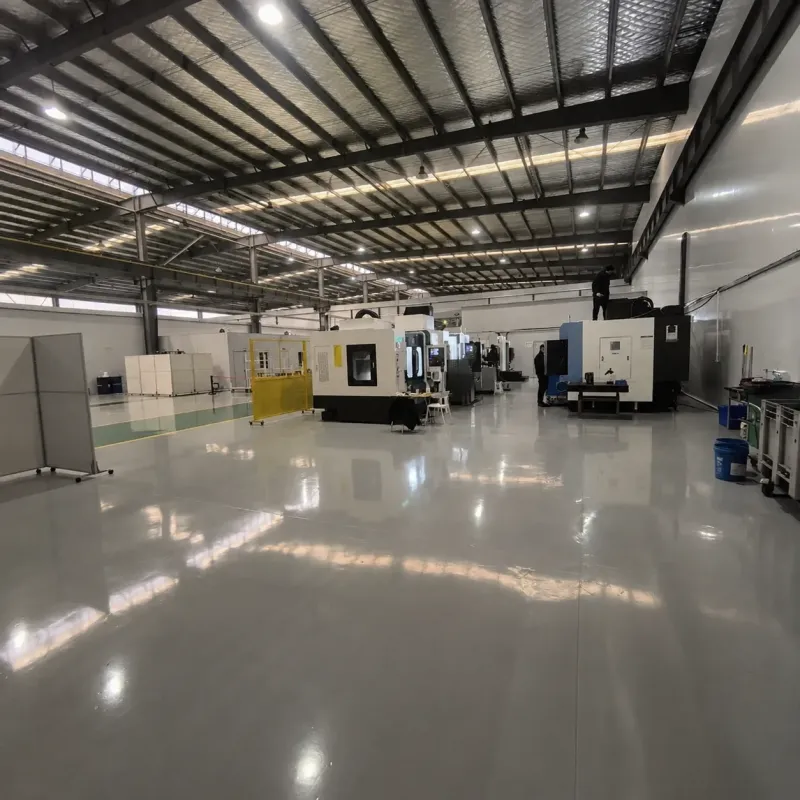
DieStrike builds across all four industries on the same 120+ machine floor. Our automotive, medical devices, consumer electronics, and EV and energy pages show the specific part families and quality systems each one requires. The 64-cavity packaging closure case study is a concrete example of what the top of the range buys.
A Line-by-Line Cost Breakdown: Where the Number Actually Goes
Ranges explain the spread, but buyers want to see where the money lands. Below is a line-by-line decomposition of a typical small 2-cavity precision mold for a connector or sensor housing — roughly a $6,000-$9,000 tool at standard commodity tolerance. The lines mirror how an experienced shop actually estimates: material first, then machine hours, then finishing and trials. Every figure is a typical industry value for the item shown, not a DieStrike quote; your part shifts the lines, never the structure.
| Line Item | Typical Share | What You Are Paying For | Where It Leaks |
|---|---|---|---|
| Mold base (standard) | 10-15% | Plates, guide pillars, return pins — HASCO/DME/MISUMI standard series | Custom base plates instead of a standard series add 30-50% |
| Core and cavity steel | 10-15% | P20, 718H, S136, or H13 blank stock; heat treatment and hardness certification | Over-specifying steel for a resin that never needs it |
| Machining (CNC + jig grinding) | 25-35% | The biggest line — 3-axis and 5-axis milling hours at shop rates, plus Waida-class jig grinding for ±0.002mm features | Unnecessary tolerance classes and non-standard pocket depths |
| EDM (wire + sinker) | 10-15% | Wire EDM for hardened steel details, sinker EDM for sharp internal corners | Sharp corners that should be radii — every inside corner a radius costs EDM hours |
| Standard components | 8-12% | Ejector pins, core pins, sleeves, springs, sprue bushings — catalog parts with named standards | Non-standard sizes force custom grinding at 3-5x catalog price |
| Hot runner or gating system | 0-20% | Zero for cold runner molds; 15-20% when a hot runner manifold and nozzles are specced | Specifying a hot runner for volumes that never pay it back |
| Design and DFM | 8-12% | Mold layout, flow analysis, gate and cooling design — the cheapest line per dollar saved | Skipping DFM here, paying 10x for it later in change orders |
| Polishing and surface finish | 5-10% | SPI A1-A3 diamond polish on cosmetic cavities; texture and etch work if specced | Over-polishing hidden surfaces — B-finish is invisible on non-cosmetic faces |
| Assembly, trial, and validation | 8-12% | Fitting, T0/T1 trial shots, dimensional reports, and any first-article samples | Unbounded trial rounds — fix the scope, not the count |
| Overhead and margin | 10-15% | Shop overhead, quality systems (IATF 16949 documentation), and warranty | Hidden in vague "administration" lines — ask for it itemized |
← swipe to scroll →
Typical industry line-item shares for a small 2-cavity precision mold, adapted from published cost-breakdown examples; not a DieStrike quotation. Two shops can quote the same total with completely different line splits — that is why the mold quote reading guide compares line by line, not total to total.
The quick sanity check that separates an itemized quote from a number: material plus standard components should run roughly 30-40% of a normal mold total. If the quote shows a near-zero material line, the shop is padding machine hours or overhead instead. If components run above half the total, you are paying for exotic steel or custom sizing you may not need. This ratio check takes ten seconds and catches most padded quotes.
How to Save Money Without Risking Quality
Cost control in tooling is scope control, not price haggling. Every item below cuts the number without cutting the part's chance of running correctly on day one.
- Get a free DFM review before quoting. Design corrections in the review cost nothing; after steel cutting they cost weeks and thousands. A structured DFM-first process typically saves 10-20% of total tooling cost (typical industry figure).
- Right-size the cavity count to your realistic annual volume. A 16-cavity tool for 50,000 parts a year is wasted capital, and a single cavity for 2 million is a running-cost mistake.
- Use standard mold bases and standard components. HASCO, DME, and MISUMI standard parts carry catalog prices and ship in 3-7 days; custom bases cost 30-50% more and add lead time.
- Match steel to resin. Over-specifying steel you never need is a common budget leak. P20 covers most standard thermoplastics; H13 and S136 pay for themselves only where the resin demands them.
- Negotiate the trial scope, not the price number. One structured trial round beats three unplanned ones. Ask for the trial count, the acceptance criteria, and who pays for resin in writing.
- Lock the drawing revision. A revision mismatch is the most common trigger for a change order. Freeze the file, then approve the quote.
Two savings levers deserve extra attention because they compound. Standard components sourced to a named standard (HASCO, DME, or MISUMI) are cheaper to buy, faster to get, and easier to replace anywhere in the world — the injection mold buying guide covers the full sourcing sequence. And a mold base ordered to a standard series rather than a custom plate configuration cuts both price and lead time; our mold bases page shows the standard series DieStrike builds to.
What a Complete Quote Should Include
Before you compare totals, check that every quote carries the same lines. The grid below is the minimum set for an apples-to-apples comparison — the same grid our mold quote reading guide applies line by line.
| Quote Line | What It Covers | Red Flag If Missing |
|---|---|---|
| Mold base | Plates, guide pillars, return pins, HASCO/DME/MISUMI standard | No standard or brand named |
| Core and cavity inserts | Machined and heat-treated insert steel, wire EDM at ±0.002mm | No steel grade or hardness target |
| Ejector system | Ejector pins, core pins, springs sized for the part | No pin sizes or counts |
| Runner and gating | Cold runner, or hot runner with manifold and nozzles | No gate type named |
| Heat treatment | Hardening and coating, hardness target such as HRC 62 | "Hardened" with no number |
| Trial shots and reports | Trial rounds, CMM report, material certificate | No trial count or report list |
← swipe to scroll →
Terms shown are typical practice, not DieStrike contract language.
Send the drawing, the material spec, and the volume plan together. One unambiguous input produces one comparable quote — our RFQ guide lists every field a complete request should carry. And read the validity period line: quotes typically hold for 30 days (typical practice), after which steel prices move.
Frequently Asked Questions
Q1. How much does an injection mold cost?
Published ranges put injection molds at $3,000-$8,000 for an aluminum prototype tool up to $100,000+ for a large multi-cavity hot runner mold. Cavity count and tolerance move the number more than anything else, and scope — what the quote includes — explains most of the spread between suppliers.
Q2. Why is my mold quote so expensive?
Three lines drive most of the price: cavity count, steel grade, and tolerance. A ±0.002mm critical feature needs wire EDM and jig grinding, which run slower than standard milling. Ask the shop which line carries the most hours, and you will find the honest part of the price. If the quote carries no itemization at all, the price cannot be audited — ask for the breakdown.
Q3. Why do mold quotes vary so much between suppliers?
Most variance is scope, not margin. One quote includes trial shots, CMM reports, and standard components; another quotes a bare mold base. Compare line by line before you compare totals, and add a 10-15% change order budget to every grid. A $20,000 quote with full validation is usually cheaper than a $16,000 quote without it.
Q4. Can I save money with a prototype mold?
Yes, for design validation. An aluminum prototype tool runs $3,000-$8,000 and proves geometry, fit, and function before you commit to a production mold. The prototype investment is recovered the first time it catches a design flaw that would have hit the production steel. For low volumes, some programs run the prototype tool itself — see our soft tooling vs hard tooling comparison.
Q5. How long does mold production take, and does speed cost more?
DieStrike quotes plastic molds in 2-4 weeks and stamping dies in 2-5 weeks, with a 24-hour DFM review before the price locks. Standard components ship in 3-7 days, custom components in 7-10 days, and rush orders can run 24-72 hours. Speed costs more when it means overtime machining; it costs nothing when it means a disciplined parallel schedule.
Q6. What is the difference between mold cost and part cost?
Mold cost is the tooling paid once; part cost is the molded piece priced as a rate per unit over production volume. The two are halves of one decision — a mold that cuts cycle time by 10 seconds saves money on every part it ever makes. Ask for both numbers on the same RFQ so the tooling decision and the piece price stay connected.
The Bottom Line
Injection mold cost is five drivers — size and complexity, cavity count, steel, tolerance and finish, and mechanisms — stacked on a scope document. Buyers who price the drivers and audit the scope pay market rates for what they need. Buyers who compare totals pay for what they do not.
Start with a free DFM review: send the part file to DieStrike's engineering team and get feedback and a structured quote within 24 hours. The review tells you which cavity count, steel grade, and tolerance plan your part actually needs — before any number is on the page.
KEEP READING
Related Reading
5 Mold Cooling Channel Design Tips for Faster Cycles
Mold maker's 5 cooling channel design rules: channel-to-cavity distance 2-2.
Read articleArticle5 Shrinkage Compensation Rules for Mold Design
Shrinkage compensation decides mold accuracy. Five rules: material rates from 0.3% to 2.
Read articleArticle5 Ways to Reduce Mold Cost Without Cutting Quality
Five proven ways to reduce injection mold cost without cutting quality: DFM before quoting, right-sized cavity count,…
Read articleArticle7 Gate Design Best Practices for Balanced Filling
Mold maker's 7 gate design rules for balanced multi-cavity filling: gate depth 50-80% of wall thickness, land 0.5-1.
Read articleNEXT STEP
Ready to Start Your Mold?
Send us your element dimensions or part numbers — our team responds within 24 hours with pricing and lead time.

Written by
Ray ChanMold Buyer's Guide Author · Precision Mold Manufacturing Specialist. Ray helps global importers, distributors and OEMs source factory-direct molds and mold parts.