
Liquid Silicone Rubber (LSR) Injection Molding Guide
Table of Contents
An LSR mold that fails on the first trial usually fails in the thermal design, not the rubber. A cold runner plate that drifts a few degrees above 30°C cures silicone inside the channels by the end of a long shift, and the tool stops producing while a cured plug is dug out of the manifold. A cavity compensated for 1% shrinkage on a material that shrinks 2-4% produces an undersized part and a steel change order that costs weeks. Both failures are visible on the drawing long before the steel is cut — and both are the reason this guide reads LSR from the mold side, not the chemistry side.
Liquid silicone rubber (LSR) is the standard production process for soft, heat-resistant elastomer parts: medical seals, baby bottle nipples, keypads, automotive sensor seals, electrical connector gaskets. Two liquid components are metered 1:1, mixed, injected cold into a hot mold, and cured there at 120-180°C by platinum catalysis. Because the cure is chemical — heat initiates it, but the mold is not a cooler, it is a reactor — the tooling rules for LSR are different from every thermoplastic covered on this site.
This guide is written for the people who buy and build the tool: mold buyers, tooling engineers, and manufacturing engineers. It walks from the properties that dictate mold decisions, through the design rules for LSR tooling — cold runners, valve gates, venting, release — into the processing window the mold must survive, and ends with defects traced to their mold-side root causes. Processing numbers follow typical published values for injection-molding grades. Test methods are cited where they matter.
The Snapshot
- LSR is a two-component addition-cure silicone: Part A and Part B mix 1:1 and cure by platinum catalysis, with no cure byproducts.
- Feed and runner run cold at 20-30°C; the mold runs hot at 120-180°C; cure time roughly 1 minute per mm of wall thickness (typical practice).
- Molding shrinkage is 2-4% (typical published range) — the number your cavity compensation starts from, cut oversize and tuned on test shots.
- Cured LSR is a thermoset: the crosslinked network cannot be remelted or reground into new parts. TPE can.
- Service temperature range: -50°C to +250°C continuous (typical published range).
- Typical published properties: Shore A 10-80 hardness, 5-12 MPa tensile strength, 200-700% elongation, tear strength roughly 20-50 kN/m.
- Biocompatible grades are certified to ISO 10993 and USP Class VI; food-contact grades comply with FDA 21 CFR 177.2600.
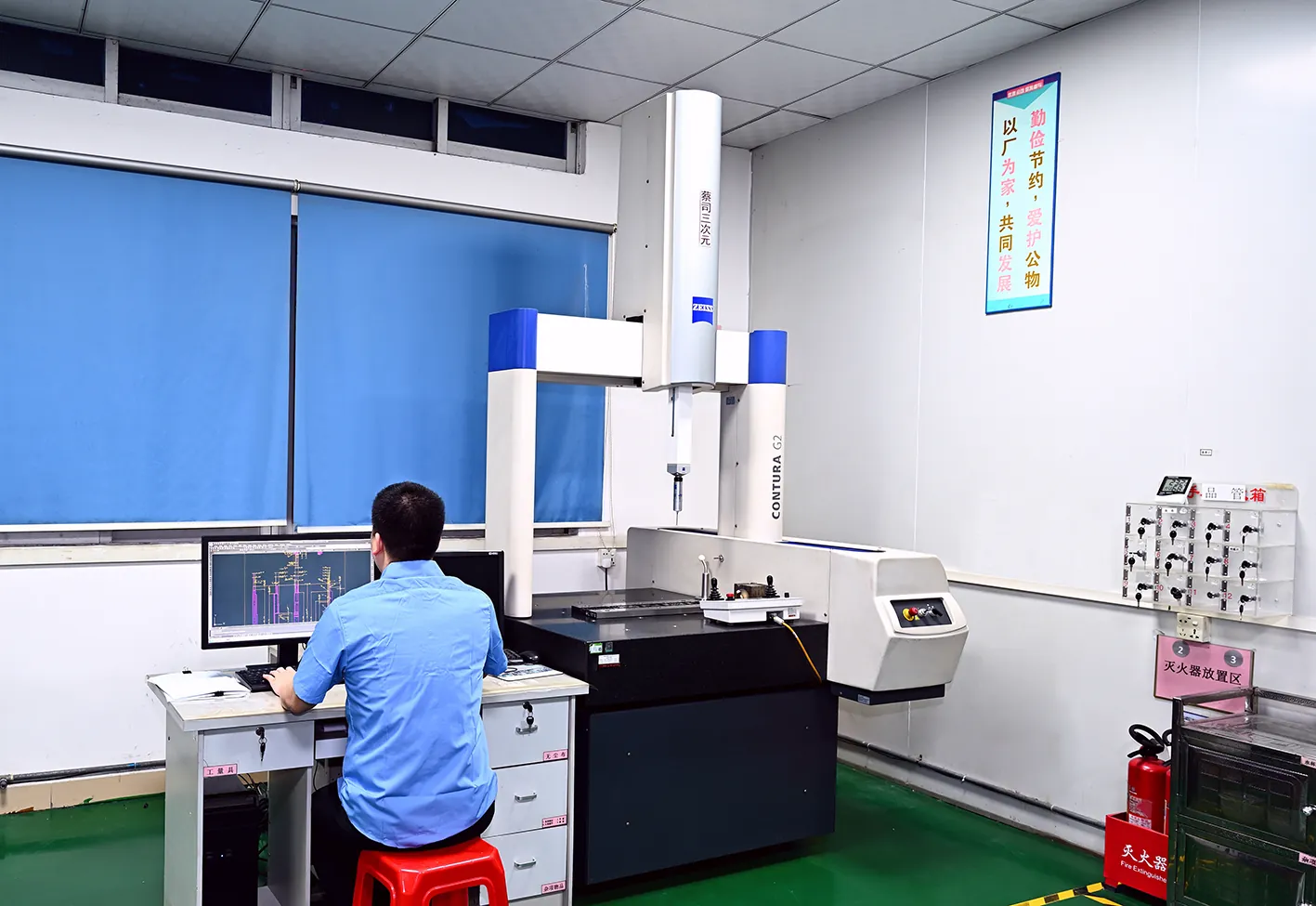
- DieStrike builds LSR-capable cold-runner tooling under IATF 16949 / ISO 9001 systems, with CMM-verified cavities on every mold.
What Is Liquid Silicone Rubber?
Liquid silicone rubber is a two-component, addition-cure silicone elastomer supplied as low-viscosity pastes. Part A carries vinyl-terminated polydimethylsiloxane plus the platinum catalyst. Part B carries the crosslinker, a silicone hydride with Si-H groups. Mixed 1:1, they react by hydrosilylation into a three-dimensional crosslinked network. The addition cure releases no byproducts — no water, no alcohol, no acetic acid — which distinguishes LSR from condensation-cure silicones (RTV) and is why cured parts show low voiding, no leachable cure residue, and the clean surface that medical and food-contact applications rely on.
"Liquid" means pumpable. Mixed LSR viscosity is a paste-like tens of Pa·s, so it feeds through piston pumps and static mixers rather than through a rubber mill. Solid silicone rubber (HCR, high-consistency rubber) is a kneaded, dough-like material that is compression- or transfer-molded in much longer cycles with hand-trimmed flash. LSR fills thin walls and fine detail that HCR cannot reach, which is why it dominates high-volume small elastomer parts — and why the tooling is built for flow and flash control rather than for high-pressure packing.
The single most important fact for the tool is that LSR is a thermoset. Curing forms permanent crosslinks between polymer chains; heat does not melt them, it degrades them. A cured LSR part cannot be remelted, reshaped, or reground into new parts — cured scrap and cured sprues are waste. That is the entire reason LSR tooling runs cold runners with valve gates instead of a heated manifold: keep the material liquid until it is inside the cavity, then let the cavity cure it. Compare a thermoplastic elastomer (TPE), which melts when heated, flows, and re-solidifies on cooling, and whose regrind is reprocessable. The recyclability of TPE is a real economic advantage, traded against service temperature and compression set — the comparison is detailed later in this guide.
Two practical consequences follow for anyone buying or building the tool. First, the entire process window is thermal: the mixed material stays chemically stable for hours at deck temperature (20-30°C) but cures in minutes at 120-180°C, so every surface the liquid touches before the parting line must be cooled, and every surface after it must be heated and thermally balanced. Second, the mixed material has a finite pot life; exceed it and the mix thickens and scorches in the runner, plugging the channels. Both consequences drive the cold-runner tooling described below.
LSR Properties That Drive Mold Design
Material selection and tool design are one decision, not two. The table below maps the LSR properties that matter most to the specific mold decisions they drive. If a datasheet number is missing at RFQ time, this is the list to ask for.
| LSR property | Typical value | What it drives in the mold |
|---|---|---|
| Molding shrinkage | 2-4% (typical published) | Cavity compensation per wall-thickness zone; tool cut oversize, final numbers locked from test shots |
| Cure temperature | Mold at 120-180°C | Heater layout and thermal balance; cure rate roughly doubles per 10°C, so cavity cold spots show up as under-cured zones |
| Thermal conductivity | ~0.2 W/m·K | Cure time scales with wall thickness; thick bosses need coring to keep the cycle and cure uniform |
| Viscosity (mixed) | Paste-like, tens of Pa·s | Cold runner + valve gates; flash control at the parting line; vents at 0.02-0.05 mm depth |
| Hardness | Shore A 10-80 | Demolding system: stripper plates, ejector sleeves and air blow-off for soft parts; pins push through soft grades |
| Compression set | Low for a rubber | Seal geometry and draft; parts grip cores, so the release strategy is a mold decision, not a press adjustment |
| Service temperature | -50°C to +250°C | Confirms cold-runner economics; not a steel driver — the 120-180°C cure cycle is what the tool steel must survive |
| Biocompatibility / food contact | ISO 10993, USP Class VI; FDA 21 CFR 177.2600 | Cleanroom assembly and handling; keep sulfur-bearing lubricants and Pt-poisoning contamination off tool surfaces |
← swipe to scroll →
Values are typical published ranges for injection-molding grades; actual numbers vary by grade and test method.
Shrinkage and dimensional stability. LSR molding shrinkage is typically 2-4%, several times higher than most thermoplastics, and it is influenced by mold temperature, injection pressure, and post-cure. High mold temperature and a long cure push shrinkage up; higher pressure pushes it down. Because cured parts are measured hot off the tool and again after post-cure, dimensioning an LSR tool is a two-step job: compensate the cavity for the expected range, then lock the final numbers from trial shots and post-cured samples.
Heat resistance. The -50°C to +250°C service window is why LSR seals beat TPE underhood and in sterilization. For the tool, the number that matters is not service temperature but cure temperature: the mold must hold 120-180°C evenly, which sets the heater layout and the steel choice. Standard LSR tools run hardened P20 or 718-class inserts, stepping to H13 or comparable where abrasive fillers or high cavitation demand core life — the hot-side engineering effort goes into thermal balance, not exotic alloys.
Surface and release. LSR is sticky when green: the uncured material wets steel, and the cured part grips the cavity wall. Release is a mold-design decision — electropolished or coated cavities, PTFE/nickel or chrome release coatings, generous draft, and stripper-driven ejection. Specify the release strategy on the drawing, not in the first trial.
Mechanical and electrical behavior. Typical published ranges: Shore A 10-80 hardness, 5-12 MPa tensile strength, 200-700% elongation, tear strength roughly 20-50 kN/m, dielectric strength around 20 kV/mm. Low compression set is why LSR gaskets seal for years. These numbers reach the mold mostly through hardness: soft grades (Shore A 10-30) need air or stripper ejection because pins push through, while hard grades tolerate conventional pin ejection.
Mold Design Considerations for LSR
LSR is forgiving on the machine but demanding on the tool: low viscosity flashes easily, green parts stick, and the cure reaction punishes temperature imbalance. The rules below are the ones that matter when the steel is being cut for an LSR part.
Shrinkage compensation. Compensate cavities for 2-4% shrinkage, split by wall-thickness zone, and expect to tune the numbers on the first molding trial. Because LSR shrinks more than thermoplastics, the tool is cut oversize — a 100 mm part starts around 102-104 mm at the cavity — and the final compensation is locked from trial shots and post-cured samples, not from the datasheet. The five shrinkage compensation rules cover the zone-by-zone method; plan a trial-shot iteration step into the schedule.
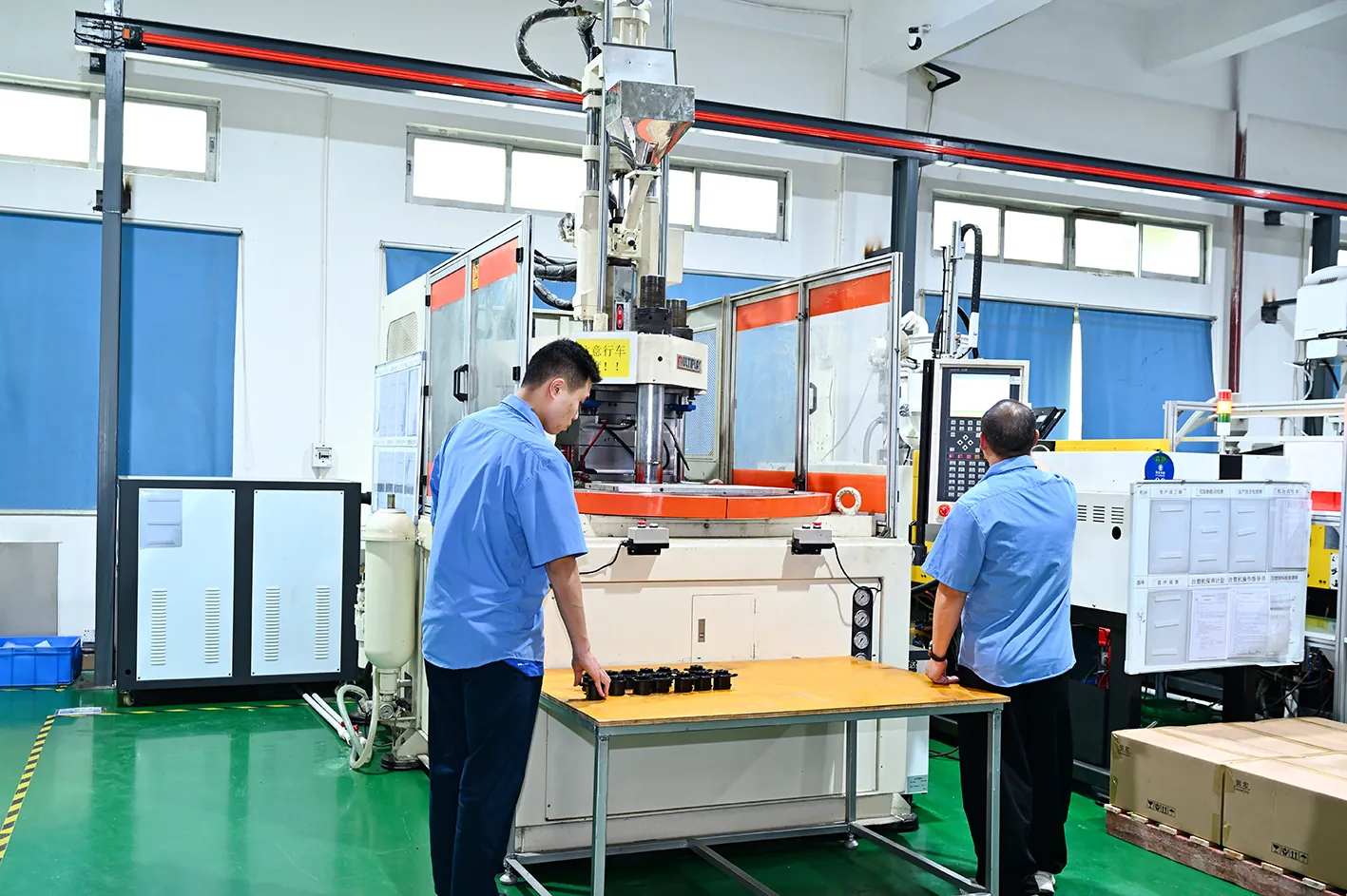
The cold runner system. The cold runner is the heart of an LSR tool. The manifold, feed block, and injection unit are water-cooled to 20-30°C so the material stays liquid until it reaches the cavity, while the cavity itself runs at 120-180°C. Valve gates give each cavity a clean shut-off, which is how multi-cavity medical and automotive tools hold shot-to-shot weight consistency without producing cured runner waste. A heated manifold — the standard for thermoplastics — would cure the rubber inside the tool, so the comparison inverts: the hot runner vs cold runner guide covers the thermoplastic side. Cold-runner LSR tooling costs more than a simple sprue tool, and it is the difference between a production process and a scrap generator.
Injection nozzle and gates. The injection side needs a needle shut-off or valve-gated nozzle so no cured skin forms at the tip between shots and no drool lands on the parting line. Gate selection follows the gate design best practices, with LSR-specific notes: gates are typically sub-gates or direct valve gates, cosmetic applications trim the gate vestige in the tool, and cavity-to-cavity flow balancing matters because the material starts curing on contact with the hot wall — an unbalanced fill cures one cavity while the next is still filling.
Venting. LSR is low-viscosity and fills fast, so it traps air in last-filled corners, deep ribs, and weld lines. The cavity must be vented — parting-line, ejector-pin, and insert vents typically 0.02-0.05 mm deep — or the trapped air compresses into a void or a burn mark. For optical parts, vacuum-assisted molding pulls the air out instead of relying on venting alone. Vent depth is machined and measured, not guessed.
Demolding and release. LSR sticks to steel. Green parts are weak until they cool, so the ejection system carries the load: stripper plates and ejector sleeves for soft or thin parts, draft of 1-3° per side as a minimum, and release coatings where sticking is a known risk — electroless nickel with PTFE, or chrome, on the cavity, and electropolished surfaces on cores. Pin ejection works on hard grades but pushes through soft ones. The draft angle mistakes list is worth a pass before the steel is cut, because a draft correction after hardening is expensive.
Mold temperature control. The mold is a cure reactor, so temperature uniformity is a cycle-time and quality parameter, not a nicety. Cartridge heaters or hot-oil circuits are laid out to hold the cavity within a few degrees of setpoint, and the same balance discipline that governs cooling channels applies — the cooling channel design tips translate directly to heater-channel layout. A 10°C cold spot roughly halves the cure rate in that zone, so it shows up as a sticky, under-cured region on every shot.
Wall thickness and coring. Silicone conducts heat poorly (~0.2 W/m·K), so thick sections cure from the surface inward and the center lags. Wall-thickness uniformity matters more in LSR than in most plastics: a part with a 1 mm membrane and a 5 mm boss cures unevenly, the cycle is set by the thickest section, and the thin section can tear at demold while the boss center is still green. Core out bosses, keep nominal walls in the 1-3 mm range where the application allows, and treat the thick section as the cycle driver.
Mold steel and parting line. Standard LSR tools run hardened P20 or 718-class steel for most production, with H13 or comparable where abrasive fillers or high cavitation demand core life. The parting line must be fitted and lapped — LSR flows into gaps a thermoplastic would never enter, so a parting line that seals a polypropylene mold can leak liquid silicone. Clamp tonnage and a parted, fitted parting line are mold-fit decisions, and the same steel and parting-line discipline runs through our mold making capability.
Injection Molding LSR: The Processing Window
LSR processing is a two-temperature process, and the gap between the two temperatures is the whole concept: keep the material liquid until it is inside the cavity, then cure it completely. The window below is the standard starting point for injection-molding grades (typical published practice); your grade datasheet overrides it.
Deck temperature: 20-30°C. The feed lines, the injection unit, and the runner system are held cold so the material cannot cure before it reaches the cavity. Deck temperature is a process parameter: 35°C shortens pot life and risks pre-cure (scorch) in the runner. Hold it with water cooling and a purge schedule.
Mold temperature: 120-180°C. The common operating band for general-purpose LSR is 150-170°C. Higher mold temperature shortens cure time but increases shrinkage and flash risk; lower temperature produces sticky, under-cured surfaces. Cure rate roughly doubles for every 10°C of mold-temperature increase — which is why cavity temperature variation is a defect generator, not a detail.
Cure time: about 1 minute per mm of wall thickness as a starting estimate. A 2 mm nipple wall cures in 1-2 minutes; a 6 mm seal body takes several minutes. Silicone conducts heat poorly, so the relationship is not linear and the thickest section sets the cycle. Never shorten the cure to chase cycle time — under-cure shows up as sticky surfaces and low tear strength, and it fails in the field, not at the press.
Metering and injection. Part A and Part B are piston-pumped at a controlled 1:1 ratio and mixed continuously in a static mixer (typically 24 or more elements) immediately before the nozzle. Because mixed material has a finite pot life, mixing happens just-in-time, never in bulk. LSR viscosity is low, so injection pressure typically stays well under 200 bar; clamp force is set by projected area and material pressure, not flow resistance.
Post-cure. A secondary oven bake at 150-200°C for 2-4 hours drives the last crosslinks and stabilizes properties — medical and automotive seals are routinely post-cured before qualification testing. Post-cure also moves final dimensions, so shrinkage verification belongs on post-cured samples, not only on fresh shots.
Shrinkage: 2-4%. The number moves with mold temperature, injection pressure, and post-cure. Tools are cut oversize and adjusted from test shots; the initial trial is where the shrinkage compensation is set, not the drawing.
Common LSR Applications
LSR parts cluster in four spaces, and each one is a cold-runner, multi-cavity tooling story. Medical seals and device components — catheter seals, check valves, respiratory masks, insulin pump gaskets — run on ISO 10993 / USP Class VI grades that survive repeated autoclave cycles; the validation and cleanroom picture is covered on our medical device molding page. Baby care parts such as bottle nipples and soothers mold in food-contact LSR, flash-free at the tip where a flash line becomes a tear point. Automotive gaskets and connector seals run where TPE would soften — continuous 150°C+ exposure underhood — with the multi-cavity economics detailed on our automotive injection molding page. Electrical connectors and consumer electronics seals rely on LSR's low compression set and stable dielectric properties across temperature; see consumer electronics. EV battery and charging systems add a fifth space — thermal-management seals and vent membranes where the material's heat window and long sealing life matter, covered on our EV & energy page.
LSR Defects: Mold-Side Root Causes and Fixes
Most LSR rejects trace to a mold design or thermal decision, not a bad batch. The table below maps each common defect to its mold-side root cause and the tooling fix; the process fixes that also work are noted where they matter.
| Defect | Mold-side root cause | Tooling fix |
|---|---|---|
| Trapped air (voids, bubbles, burn marks) | No vent at the last-filled corner; air compressed into the material | Parting-line, ejector-pin and insert vents at 0.02-0.05 mm; vacuum-assisted molding for optical parts |
| Under-cure (sticky surface, low tear) | Cavity cold spots — 10°C below setpoint roughly halves the cure rate; cure time too short; A/B ratio off spec | Balanced heater layout; raise mold into the 150-180°C band; extend cure; recalibrate metering pumps and verify the ratio with a scale check |
| Flash | Parting line not fitted; low clamp tonnage; overshot shot size | Lap and fit the parting line; adequate clamp tonnage; reduce injection speed at the end of fill; correct shot size |
| Pre-cure (scorch) in the deck | Deck temperature above 30°C; pot life exceeded; stoppage with mixed material left in the mixer | Hold the deck at 20-30°C; purge on a schedule; flush the mixer after any stop |
| Knit lines | Cold flow fronts meet at a weld line; visible seam with reduced strength | Raise mold temperature; relocate the gate; raise injection speed so the fronts meet hotter |
| Sink and voids in thick sections | Thick boss cures last; the center lags behind the surface | Core out the section; shorten the cure path; injection-compression for flat, thick optics |
| Sticking / tear at demold | Insufficient draft; no release coating; soft grade ejected by pins | Draft of 1-3° minimum; PTFE/nickel or chrome release coating; electropolished cores; stripper plates, sleeves, air blow-off |
← swipe to scroll →
Values are typical practice, not a DieStrike specification.
Sticking deserves its own line because it is the most common first-trial surprise. LSR wets steel and grips the cavity; a tool cut without a release strategy — no draft, no coating, pin-only ejection — tears soft parts at demold on every shot. Fix it on the drawing, not in the trial: specify draft, coating, and the ejection system before the steel is cut.
Moisture is not an LSR problem. Unlike nylon or ABS, LSR has no meaningful moisture pickup, so the splay and blister family of defects simply does not apply. The two defects that dominate field failures are under-cure and flash, and both are preventable on the drawing: put the cure recipe (mold temperature, cure time, post-cure) on the tool print, and treat the parting line as a fitted, lapped surface.
LSR vs TPE: Comparison Table
LSR and TPE overlap on the surface: both are soft, flexible, injection moldable elastomers for seals, grips, and gaskets. Underneath, they are different material classes with different tooling and different economics.
| Aspect | LSR | TPE |
|---|---|---|
| Chemistry | Thermoset: crosslinks permanently, cure irreversible | Thermoplastic: melts and re-solidifies reversibly |
| Service temperature | -50°C to +250°C continuous (typical published) | Typically -40°C to +120°C, grade-dependent (typical published) |
| Compression set | Low — seals hold force for years | Higher — gaskets relax over time, worse in heat |
| Long-term aging | Excellent; resists heat, UV and oxidation | Moderate; softens or creeps near the upper limit |
| Recyclability | None — cured thermoset scrap is waste | Regrindable and reprocessable |
| Material cost | Higher per kg | Lower per kg |
| Cycle time | Cure-limited: tens of seconds to minutes | Cooling-limited: often shorter |
| Tooling | Cold runner + metering unit required | Standard injection tooling, hot runner optional |
| Food contact | FDA 21 CFR 177.2600, no plasticizers | Food-grade TPEs (e.g., SEBS) available |
| Typical uses | Medical, infant, underhood seals, high-heat gaskets | Grips, gaskets, footwear, consumer soft-touch parts |
← swipe to scroll →
Ranges are typical published data for general-purpose grades; specific grades vary.
Choose LSR when the part must seal for years in heat, touch tissue, or survive sterilization — medical, infant, and underhood applications, where TPE's softening would end the part's life. Choose TPE when the requirement is cost, colorability, regrind-friendly production, or a moderate environment — consumer grips and gaskets are the classic fits. The full TPE process picture is in our TPE injection molding guide. Where the application sits between the two — soft and resilient, but cost-sensitive — the TPU material guide is worth a look, since thermoplastic polyurethane bridges part of the gap with standard injection tooling.
Cost is not decided by material price alone. LSR's higher per-kg price is offset by no regrind handling, no cured-runner waste with a cold runner, and a longer service life — in a hot seal application, life can run five to ten times longer (typical field results). Run the comparison on cost per part over the service life, not cost per kg.
Frequently Asked Questions
Q1. What is liquid silicone rubber?
LSR is a two-component, addition-cure silicone elastomer. Part A and Part B mix 1:1 and cure by platinum-catalyzed hydrosilylation, forming a permanent crosslinked network. It is a thermoset: once cured, it cannot be remelted or reprocessed, which is why LSR tooling is designed around cold runners and valve gates rather than heated manifolds.
Q2. Does LSR molding need a cold runner?
Yes, in production practice. The runner must hold the material at 20-30°C so it reaches the cavity uncured; a heated manifold would cure the rubber inside the tool. Valve-gated cold runners give multi-cavity tools clean shut-offs, consistent shot weights, and no cured runner waste. The full comparison with thermoplastic hot runners is in the hot runner vs cold runner guide.
Q3. Why does LSR stick to the mold?
Green LSR wets steel and grips the cavity, and soft parts are weak until they cool. Sticking is prevented on the drawing: draft of 1-3° per side, electropolished or coated cavities (PTFE/nickel or chrome), and stripper plates, ejector sleeves, or air blow-off instead of pin-only ejection on soft grades.
Q4. What is the LSR injection molding temperature?
Two temperatures, and they are far apart. The feed system and runner run cold at 20-30°C to keep the liquid uncured; the mold runs at 120-180°C to cure it. That gap between deck temperature and mold temperature is the entire process concept.
Q5. What is the LSR shrinkage rate?
Molding shrinkage for LSR is typically 2-4%, several times higher than most thermoplastics, and it moves with mold temperature, injection pressure, and post-cure. Cavities are compensated oversize and the final numbers are locked from post-cured test shots, not from the datasheet.
Q6. Is LSR biocompatible?
Medical grades pass ISO 10993 testing and meet USP Class VI. The clean addition cure and the absence of plasticizers make LSR a standard choice for skin-contact and short-term tissue-contact devices. Grade certificates must be checked per application; "biocompatible" is not a material-wide guarantee.
Q7. Is LSR food safe?
Food-contact grades comply with FDA 21 CFR 177.2600 for repeated-use rubber articles and with EU food-contact regulation 1935/2004. LSR contains no plasticizers and no leachable cure byproducts, which is why baby bottle nipples and soothers are molded in it. Verify the grade certificate for the exact application.
Q8. How long does an LSR part take to cure?
Roughly 1 minute per mm of wall thickness as a starting estimate, at mold temperatures of 150-170°C. Thin parts cure in 30-60 seconds; thick sections take minutes because silicone conducts heat poorly (~0.2 W/m·K). Post-cure adds 2-4 hours in an oven for demanding specs.
Q9. Can LSR be recycled?
No. LSR is a thermoset; the crosslinked network does not melt. Cured scrap and sprues are waste. Cold-runner tooling minimizes waste by keeping runner material liquid, but the material itself is single-use. TPE, by contrast, is regrindable.
Q10. How do I buy an LSR mold?
Send the part drawing with the production volume, the grade and hardness target, and the cure-related requirements (post-cure, validation standard). LSR tooling is a specialty — cold runners, valve gates, and heater layouts are not interchangeable with thermoplastic tooling — so qualify the shop accordingly. The how to buy injection molds guide covers the RFQ and quoting steps, and the same rules apply with LSR-specific line items added for the cold deck and metering package.
The Bottom Line
LSR injection molding rewards one discipline above all: thermal control. Keep the deck at 20-30°C so the material stays liquid. Hold the mold at 120-180°C so it cures completely, vent the cavity, and time the cure by wall thickness. The chemistry does the rest — and it is remarkably forgiving of process abuse except for heat, time, and trapped air.
The tooling chain is short but specific. Compensate cavities for 2-4% shrinkage, split by wall zone, and lock the numbers from post-cured test shots. Build a cold runner with valve gates so no cured rubber is ever produced inside the tool. Vent at 0.02-0.05 mm, draft at 1-3° minimum, fit the parting line, and balance the heater layout before the steel is cut — every one of those decisions shows up in the first trial shot. Run the part drawing through the DFM checklist before quoting, and use the mold manufacturer selection guide to qualify the shop — LSR tooling is a specialty, and the difference shows in the first trial.
KEEP READING
Related Reading
ABS Injection Molding: The Complete Material Guide
ABS injection molding for buyers and mold engineers: shrinkage 0.4-0.
Read articleArticleEjector Pin Steel: SKD61 vs H13 — What's the Difference?
SKD61 (JIS) and H13 (AISI) are two names for the same 5% chromium hot-work steel; ejector pins in both grades harden to…
Read articleArticleNylon (PA) Injection Molding: Grades, Properties & Processing
Nylon (PA) injection molding guide: PA6, PA66, PA12, PA46 and glass-filled grades compared — melting points, shrinkage…
Read articleArticlePEEK Injection Molding: High-Temp Material Guide
PEEK injection molding for buyers and mold engineers: shrinkage 1.2-2.
Read articleNEXT STEP
Ready to Start Your Mold?
Send us your element dimensions or part numbers — our team responds within 24 hours with pricing and lead time.

Written by
Ray ChanMold Buyer's Guide Author · Precision Mold Manufacturing Specialist. Ray helps global importers, distributors and OEMs source factory-direct molds and mold parts.